
WTW8127LC0 Tub Seal — Fix Leaks and Noisy Spin
Need the replacement part? Search your model number at for guaranteed fit and fast free shipping.
Understanding the Problem
What the tub seal is and why it matters: The tub (spindle) seal sits between the inner (spin) tub and the washer transmission/spindle. Its job is to keep wash water from leaking down the shaft into the transmission and bearings. When the seal fails you’ll often see water leaking from the base of the washer and/or hear grinding or rumbling during spin if bearings are contaminated. Step-by-step diagnostic and repair instructions: 1) Confirm the symptom: Run a small load and watch the floor around the washer during fill, wash and spin. Note whether leakage occurs only during fill/wash or during/after spin. Check for oil/grease on the floor or under the cabinet—dark oily residue often indicates transmission/bearing contamination from a bad seal. 2) Check for bearing damage: Remove the agitator or inner tub access (follow manufacturer guide) and try to spin the inner basket by hand. Listen for grinding, feel for roughness, and check for vertical or lateral play in the tub. Excessive play or roughness usually means the bearing(s) are damaged and the seal likely failed earlier. 3) Inspect the seal area: With power off and machine pulled away from the wall, tip the washer (if service manual allows) or remove the cabinet to access the outer tub and seal area. Look for rust trails, grease, or brown water stains around the bottom of the outer tub and the seal lip. 4) Decide repair scope: If there is only a small leak and bearings feel smooth, replacing only the tub seal may stop the leak. If bearings are rough, noisy, have play, or you find oil/grease contamination, replace both the bearing(s) and the tub seal (recommended as a kit). 5) Parts and tools: Acquire the correct tub seal for your WTW8127LC0 (and bearing kit if required). Typical tools: socket set, nut drivers, snap ring pliers, rubber mallet, seal driver or appropriate socket, putty knife, shop towels, drain bucket, and service manual or parts diagram for reference. 6) Remove inner tub/basket: Unplug washer, turn off water, remove hoses. Remove the agitator (if present) and the basket/or inner tub per manual. This usually involves removing the top (or rear) panel, disconnecting electrical, removing the drive coupler or belt, and unbolting the basket/hub. 7) Replace seal (basic outline): a) Separate inner tub from outer tub as required to access the spindle. b) Pry out the old seal carefully (use a hook/screwdriver) taking care not to score the sealing surface. c) Clean the shaft and sealing surface thoroughly—remove old grease and debris. d) Lightly lubricate the new seal lip with a suitable silicone grease or clean water (check seal instructions). e) Press the new seal squarely into the housing using a seal driver or appropriate sized socket until fully seated. f) If bearings were replaced, install new bearings and use correct press-in technique and retainers. 8) Reassemble and test: Reassemble the tub and all components in reverse order. Reconnect hoses and power. Run an empty rinse/spin and check for leaks, unusual noises and smooth spinning. Re-check after a load. Safety note: Always disconnect power and water before disassembly. Use caution when tipping or moving the washer—follow manufacturer guidance to avoid personal injury. If you’re not comfortable pressing bearings or handling heavy tubs, consider a professional service call.
Common Symptoms
Water leaking from the base of the washer, oily or rusty residue under the cabinet, grinding/rumbling during spin, excessive tub play or wobble, and wet clothes after spin.
Common Causes
- Worn or torn tub/spindle seal (age, abrasion, or chemical damage)
- Damaged bearings allowing water into the transmission and washing out the seal
- Improper installation, foreign objects, or corrosion that degrades the seal lip
Popular Parts That Fix This Problem
These are the most common replacement parts that fix this problem. When you're ready to order, click below to find the right part at ProsourceParts.com — just search by your appliance model number for a guaranteed fit.
Helpful Repair Tip
Confirm a bad tub seal by running a cycle and checking for oily or reddish-brown residue at the bottom of the cabinet or on the floor; combined with rough tub rotation or play, this strongly indicates seal failure with bearing contamination.
Frequently Asked Questions
How do I know if I need just the tub seal or the full bearing & seal kit?
If the basket spins smoothly with no roughness and there is only a small leak, you may be able to replace only the tub seal. If you feel grinding, roughness, or there is lateral play in the tub, or if you find oily/greasy contamination under the tub, replace bearings and the seal together. Bearings are typically damaged once water reaches them, and installing a new seal alone in that case will only give short-term results.
Can I replace the tub seal on a WTW8127LC0 without special tools or professional help?
You can replace the seal at home if you have basic mechanical skills and tools (socket set, seal driver or appropriately sized socket, snap-ring pliers). However, replacing bearings requires pressing bearings in/out squarely—this can require a bearing press or careful use of sockets and a mallet. If you’re uncomfortable with heavy lifting (tub removal) or pressing bearings, hire a technician to avoid damaging parts or causing leaks.
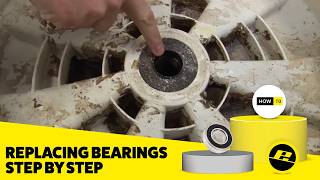
Related How-To Videos
Real DIY Repair Stories
Be the first to share your repair story!
Share Your Repair Story
Your experience helps other homeowners fix their appliances. Tell us how it went!
Can't Fix It Yourself? Find a Local Technician
It's perfectly okay to call a professional. Some repairs require specialized tools, deep teardowns, or dealing with complex systems that are better left to the pros.

Find the Right Part for Your Appliance
Don't guess — search your exact appliance model number at ProsourceParts.com to find the correct OEM compatible replacement part. They offer fast free shipping, guaranteed fit, and thousands of parts in stock.
Your Free Parts Videos
Whether your dishwasher won't drain, your dryer stopped heating, or your fridge isn't cold, we've created simple repair guides for the most common appliance problems homeowners face. Each guide explains what's going wrong, the most likely causes, and which replacement parts fix the issue. When you're ready to order, we link directly to ProsourceParts.com where you can search by model number and get the right part shipped fast.