
WM3500CW Bearings – How to Diagnose and Replace Tub Bearings
Need the replacement part? Search your model number at for guaranteed fit and fast free shipping.
Understanding the Problem
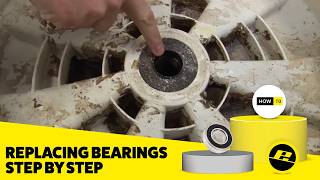
Brief explanation: The bearings in a WM3500CW washer support the washer tub/basket and allow it to spin smoothly. When the bearings wear or the seals fail, you'll usually hear loud grinding or rumbling during spin, see wobble of the basket, or have water leaking from the base of the washer. Step-by-step diagnostic and repair steps: 1) Confirm symptom and isolate: Unplug the washer, turn off water, and run a short spin-only cycle (with an empty drum) to listen. If you hear loud grinding or metallic rumble only during spin and the tub wobbles, bearings are very likely. If there is visible leaking from the bottom rear of the washer, the tub seal/bearing area is suspect. 2) Inspect externally: Tip the washer back (after unplugging and emptying water) and check the rear base for oil/grease or rust streaks which indicate a failed seal/bearing area. 3) Prepare workspace and tools: You will need basic hand tools (screwdrivers, socket set), pliers, a 1/2 - 3/4" socket for the center nut, a puller or hammer and drift set, and a bearing press or large socket set to drive in new races. Consider renting a bearing press or hydraulic press if available. 4) Disassemble to access the tub bearings: a. Unplug and move washer to workspace. Remove top and/or control console per model service sheet so you can access the cabinet clips. b. Remove the washer cabinet (release front clips and lift) to access the inner components. c. Remove the agitator (pull cap, remove bolt) and the basket/spinner assembly. Remove the clutch/drive components and the drive pulley if applicable. Depending on WM3500CW configuration you may need to remove the motor and belt and unbolt the gearcase/transmission to separate the inner and outer tubs. d. Separate the outer tub halves if required to reach the bearing housing (some Whirlpool top-load designs have one-piece outer tub; service manual steps vary). 5) Remove the old bearing and seal: a. Remove retaining ring or nut that secures the bearing retainer. b. Use a bearing puller or carefully drive the bearing races out from the tub with a socket and hammer. Keep the tub and surrounding casting supported to avoid cracking. c. Clean the bearing bore thoroughly and remove all old sealant and corrosion. Inspect the shaft/drum hub for scoring. 6) Install new bearing kit and seal: a. Pre-fit new races/seals to make sure they seat squarely. Lightly lubricate the outer race outside diameter with a thin film of grease if recommended by the kit instructions (do not grease the seal lips). b. Using a bearing press or appropriately sized sockets, press the races squarely into the bore. Drive slowly and evenly until fully seated. c. Install the new seal and any retaining plate or snap ring per kit instructions. 7) Reassemble washer: a. Reinstall the tub/basket, pulley, clutch, and/or transmission in reverse order. Replace any gaskets or fasteners that were warped or damaged. b. Reinstall the cabinet, control panel, reconnect hoses and power, and run a short empty spin to check for noise and wobble. 8) Final check: Confirm there is no leak after running through a complete wash and spin cycle. Check for abnormal noise or vibration. Safety note: Bearings replacement is a major repair that requires heavy parts removal and mechanical tools. Support the tub and use eye protection. If you don't have a bearing press or experience with large press fits, consider having a shop press the bearings or hire a technician. Always unplug the washer and disconnect water before starting.
Common Symptoms
Loud rumbling or grinding noise during spin, basket wobble or off-center spin, grease or water leaking from the bottom of the washer, and excessive vibration during spin cycles.
Common Causes
- Normal wear from years of use causing bearing race and rollers to fail
- Water intrusion through a failed tub seal causing bearing corrosion
- Heavy loads or misuse (overloading, unbalanced loads) accelerating wear
Popular Parts That Fix This Problem
These are the most common replacement parts that fix this problem. When you're ready to order, click below to find the right part at ProsourceParts.com — just search by your appliance model number for a guaranteed fit.
Helpful Repair Tip
A quick confirmation: run an empty spin cycle and place your ear near the bottom rear center of the washer — a loud grinding/metallic rumble on spin with basket wobble and/or fluid/oil under the washer is a reliable sign the tub bearings or seal have failed.
Frequently Asked Questions
Can I replace the bearings myself or should I call a pro?
You can replace WM3500CW bearings yourself if you are comfortable with heavy disassembly and have (or can rent) the proper tools — especially a bearing press or puller. The job involves removing the tub or transmission and pressing races in/out; mistakes can damage the tub casting. If you lack a press, mechanical experience, or prefer a faster reliable repair, hire a technician or a shop to press the bearings and reassemble.
Is it worth replacing bearings on an older washer?
It depends on the washer's age, condition, and cost of parts/labor. Bearings replacement is labor-intensive; if your WM3500CW is relatively new or in otherwise good condition, replacement is often worth it. For very old machines with other failing components, comparing the total repair cost to the price of a replacement washer is wise. Get a parts/labor estimate before deciding.
Related How-To Videos
Real DIY Repair Stories
Be the first to share your repair story!
Share Your Repair Story
Your experience helps other homeowners fix their appliances. Tell us how it went!
Can't Fix It Yourself? Find a Local Technician
It's perfectly okay to call a professional. Some repairs require specialized tools, deep teardowns, or dealing with complex systems that are better left to the pros.
Find the Right Part for Your Appliance
Don't guess — search your exact appliance model number at ProsourceParts.com to find the correct OEM compatible replacement part. They offer fast free shipping, guaranteed fit, and thousands of parts in stock.
Your Free Parts Videos
Whether your dishwasher won't drain, your dryer stopped heating, or your fridge isn't cold, we've created simple repair guides for the most common appliance problems homeowners face. Each guide explains what's going wrong, the most likely causes, and which replacement parts fix the issue. When you're ready to order, we link directly to ProsourceParts.com where you can search by model number and get the right part shipped fast.