
WM2233HW Washer Tub Bearing Replacement – Fix Loud Rattling and Grinding
Need the replacement part? Search your model number at for guaranteed fit and fast free shipping.
Understanding the Problem
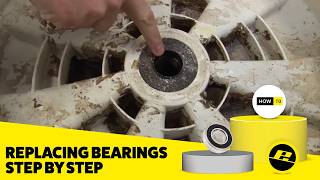
Brief explanation: A worn or failed tub (drum) bearing is a common cause of loud rumbling, grinding, metal-on-metal noises, excessive drum play, and sometimes leaks on front- and some top-load washers. On model WM2233HW the bearing supports the wash drum on the transmission or a rear hub; when it fails the drum will wobble and make noise during spin cycles. Step-by-step diagnostic and repair steps: 1) Confirm the symptom: - Manually spin the empty drum. Listen for grinding, scraping, or rumbling. Use a long screwdriver pressed against the drum and the handle to amplify the noise (careful not to force metal contact). - Push/pull the drum radially and axially. Any perceptible side-to-side or in/out play (more than ~1/8") indicates worn bearings or a failed hub/sleeve. - Check for leaks under the washer — a failed bearing often leads to a torn tub seal and water migration to the bearings. 2) Gather tools and parts: - Basic tools: socket set, nut drivers, screwdrivers, pliers. - Specialty: bearing puller or slide hammer, bearing/drift driver set or press, heat gun, rubber mallet. - Parts: tub bearing(s), tub seal(s), hub/sleeve or bearing kit specific to WM2233HW (order by model lookup), new bolts/lock washers if rusted. 3) Prepare the washer: - Unplug the washer and turn off the water supply. - Move the washer to a clean workspace with room to access the back or front, depending on model service procedure. - Remove the agitator (if top-load with agitator), control console or top lid depending on model to gain access to the cabinet fasteners. 4) Disassemble to access the tub bearing: - Remove the cabinet or rear access panel. Take pictures as you go to aid reassembly. - Disconnect the motor drive belt(s) and remove the motor if necessary. - Unbolt and remove the outer tub or rear tub cover to expose the drum hub and bearing area. For some designs you will remove the inner drum and spider first. 5) Remove the drum/hub and press out bearings: - Support the drum on a workbench. Use a bearing puller or press to remove the old bearings and seals from the drum hub. Penetrating oil and gentle heat on the hub can help free corroded bearings. - Inspect the hub/sleeve for scoring or damage. If the hub is damaged the hub or entire drum may need replacement. 6) Install new bearings and seals: - Clean the hub bore thoroughly, remove rust and old sealant. - Use the correct OEM bearing kit or exact-size bearings. A common washer bearing size is 6205-type, but verify by measuring your hub before ordering. - Press new bearings squarely into the bore using a bearing driver that contacts the outer race only. Tap the new oil seal in with the lip facing outward per kit instructions. 7) Reassemble and test: - Reinstall the drum/hub assembly and reattach motor, belt, and any removed components. Tighten bolts to original torque if known; replace any rusted fasteners. - Run a short spin-only cycle empty and listen for noise. Check for leaks after several test cycles. Time and difficulty: Replacing tub bearings is a medium-to-high difficulty job. Expect 2–5 hours depending on experience and whether you have a press/puller. If the drum hub or spider is badly damaged, parts cost and labor increase. Safety note: Always unplug the washer and shut off water supply before starting repairs. Use eye protection when pressing or hammering bearings. If you’re not comfortable removing the drum or pressing bearings, consider a professional repair because incorrect installation can cause further damage or leaks.
Common Symptoms
Loud rumbling, grinding, or scraping during spin; drum wobble or play; water leaking from the back or bottom of the washer; vibration that gets worse at high spin speeds.
Common Causes
- Normal wear of the tub bearing and seal over time
- Water intrusion due to a torn tub seal causing bearing corrosion
- Damaged or corroded drum hub/sleeve from foreign objects or rust
Popular Parts That Fix This Problem
These are the most common replacement parts that fix this problem. When you're ready to order, click below to find the right part at ProsourceParts.com — just search by your appliance model number for a guaranteed fit.
Helpful Repair Tip
Confirm a bad bearing by spinning the empty drum by hand and listening for a continuous grinding/rumbling; also check for more than 1/8" radial or axial play by pushing/pulling the drum—if present, the bearing or hub is likely bad.
Frequently Asked Questions
Can I replace only the seal instead of the bearing?
If the bearing is noisy or drum shows play, replace both the bearing and seal. If you only replace the seal while the bearing is worn or corroded the bearing will fail soon after. However, if the bearing is quiet and shows no play, a torn seal can be replaced alone — but inspect the bearing closely for corrosion beforehand.
Is it worth repairing the bearing on an older washer or should I replace the machine?
If the washer is relatively new-to-mid age (under ~8–10 years) and the drum hub is in good condition, replacing the bearing and seal is cost-effective. If the drum/hub is damaged, or the machine has multiple failing components, replacement may be a better investment. Compare parts and labor cost vs. replacement price before deciding.
Related How-To Videos
Real DIY Repair Stories
Be the first to share your repair story!
Share Your Repair Story
Your experience helps other homeowners fix their appliances. Tell us how it went!
Can't Fix It Yourself? Find a Local Technician
It's perfectly okay to call a professional. Some repairs require specialized tools, deep teardowns, or dealing with complex systems that are better left to the pros.
Find the Right Part for Your Appliance
Don't guess — search your exact appliance model number at ProsourceParts.com to find the correct OEM compatible replacement part. They offer fast free shipping, guaranteed fit, and thousands of parts in stock.
Your Free Parts Videos
Whether your dishwasher won't drain, your dryer stopped heating, or your fridge isn't cold, we've created simple repair guides for the most common appliance problems homeowners face. Each guide explains what's going wrong, the most likely causes, and which replacement parts fix the issue. When you're ready to order, we link directly to ProsourceParts.com where you can search by model number and get the right part shipped fast.