
Whirlpool 'WYW' Washer — Identify the Model and Fix Common Problems
Need the replacement part? Search your model number at for guaranteed fit and fast free shipping.
Understanding the Problem
You typed "wyw" — likely shorthand or a partial model code for a Whirlpool washing machine. First, confirm the exact model and the symptom before attempting repairs. Follow these steps to identify the machine and perform practical diagnostics and fixes: 1) Locate the model/serial tag - Where to look: behind the lid or door, on the top rim under the control panel, on the rear panel, or on the washer cabinet edge. Write down the full model and serial number. 2) Note the symptom precisely - Examples: washer won't start, won't fill, won't drain, won't spin, makes loud noise, leaks, or shows an error code (LE, F/H, OE, etc.). 3) Basic electrical and power checks (tools: multimeter, non-contact voltage tester) - Unplug the washer or turn off the breaker before opening panels. - Check that the outlet is live and the breaker/fuse is OK. - Inspect the power cord and the plug for damage. 4) If the washer won't start or won't respond - Check the lid/door switch or interlock: inspect for physical damage and test for continuity with a multimeter. Replace if open when it should be closed. - Check control panel buttons and user interface. Try a diagnostic/service mode (use the model number to find the exact procedure). - Inspect the main control board for burnt components or bulging capacitors. 5) If it won't fill with water - Confirm water supply valves are fully open. - Inspect inlet hoses for kinks or blockages. - Remove and inspect water inlet valve screens for debris; test the inlet valve solenoids for continuity. Replace valve if solenoids are open or valve leaks. 6) If it won't drain or pump out - Check the drain hose for kinks and make sure the standpipe/drain isn’t clogged. - Remove and inspect the drain pump for debris and test the pump motor for continuity. Replace the pump if seized or electrical failure. 7) If it won't spin or agitate - Verify load balance; remove some items and run a spin-only test. - Inspect drive belt (if belt-driven models) for wear or breakage; replace if damaged. - Test motor coupling (on some Whirlpool top-loads) and clutch or transmission for wear. - Check the lid switch, motor capacitor, and motor for faults. 8) If it's noisy or vibrating excessively - Check for foreign objects in the tub, pump, or between tub and inner drum. - Inspect suspension/shock absorbers and tub bearings for wear; replace worn shocks or bearings. 9) If it's leaking - Identify leak source: hoses, pump, inlet valve, tub seal, or dispenser. Tighten clamps, replace damaged hoses, or replace leaking pump/tub seal as indicated. 10) Check for error codes and run diagnostics - Use the model number to look up error code meanings and the manufacturer’s diagnostic mode. Follow the step-by-step checks the service manual recommends. Repair steps (example: replacing a lid switch) - Unplug washer. - Remove control console or access panel per your model. - Disconnect wiring harness from the lid switch and remove mounting screws. - Install new lid switch, reconnect harness, reassemble, and test. Final safety note: Always disconnect power before opening panels. If you are not comfortable with electrical testing, call a qualified appliance technician.
Common Symptoms
Washer won't start, won't fill, won't drain, won't spin, noisy operation, excessive vibration, or water leaks; may show error codes like F or OE variants.
Common Causes
- Faulty lid/door switch or interlock
- Clogged or failed water inlet valve or hoses
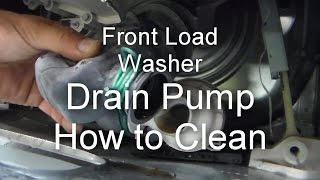
- Failed drain pump or clogged drain path
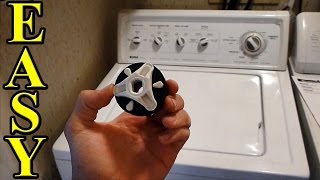
- Worn drive belt, motor coupling, clutch, or transmission
- Faulty control board or electronic user interface
Popular Parts That Fix This Problem
These are the most common replacement parts that fix this problem. When you're ready to order, click below to find the right part at ProsourceParts.com — just search by your appliance model number for a guaranteed fit.
Helpful Repair Tip
Confirm the faulty part with a multimeter: test switches, solenoids, pumps and motors for continuity and compare readings to the service manual specs before replacing parts.
Frequently Asked Questions
How do I find the exact model number of my Whirlpool washer?
Look for the model/serial tag on the washer: check behind the lid or door, on the rim under the control panel, on the rear panel, or on the door frame. Record the full model and serial number—use it to look up the correct parts and diagnostic procedures.
Can I replace parts myself, or do I need a technician?
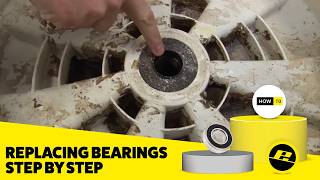
Many basic repairs (lid switch, drain pump, water inlet valve, belt) are DIY-friendly if you are comfortable with basic hand tools and follow safety steps (unplug power, turn off water). Complex repairs (transmission, tub bearing replacement, or intricate electrical diagnostics) often require a trained technician and special tools.
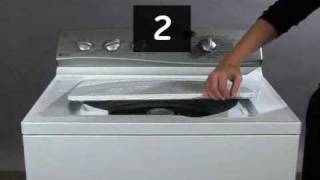
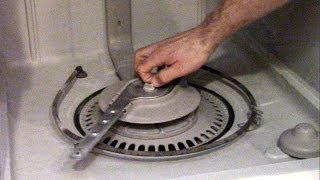
Related How-To Videos
Real DIY Repair Stories
Be the first to share your repair story!
Share Your Repair Story
Your experience helps other homeowners fix their appliances. Tell us how it went!
Can't Fix It Yourself? Find a Local Technician
It's perfectly okay to call a professional. Some repairs require specialized tools, deep teardowns, or dealing with complex systems that are better left to the pros.
Find the Right Part for Your Appliance
Don't guess — search your exact appliance model number at ProsourceParts.com to find the correct OEM compatible replacement part. They offer fast free shipping, guaranteed fit, and thousands of parts in stock.
Your Free Parts Videos
Whether your dishwasher won't drain, your dryer stopped heating, or your fridge isn't cold, we've created simple repair guides for the most common appliance problems homeowners face. Each guide explains what's going wrong, the most likely causes, and which replacement parts fix the issue. When you're ready to order, we link directly to ProsourceParts.com where you can search by model number and get the right part shipped fast.