
Whirlpool WTW8500DW5 Shaft, Bearings & Gearcase — What Parts Fix These Problems?
Need the replacement part? Search your model number at for guaranteed fit and fast free shipping.
Understanding the Problem
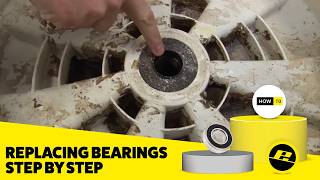
What these parts do and why they fail: The washer main shaft transfers torque from the motor/gearcase to the wash basket. Bearings support that shaft inside the outer tub; seals keep the gearcase/shaft lubricated and the tub dry. Over time bearings wear, seals leak, and the shaft or gearcase teeth can wear or strip — causing noise, wobble, poor agitation/spin, or leaks. Step-by-step diagnostic and repair steps: 1) Gather tools and parts: socket set (including large socket for basket nut), screwdrivers, pliers, gasket scraper, bearing driver or press (or bearing kit with installation tool), drain bucket, shop towels, replacement parts (bearing kit, seal kit, gearcase/ transmission or shaft as required), service manual or parts diagram for model. Have a friend help for lifting the tub. 2) Safety first: unplug the washer and shut off water supply. Move the washer away from wall so you have room to work. 3) Verify symptoms (quick checks): with machine empty, run a spin/agitate cycle and listen. Lift the basket and check for vertical and radial play (rock the tub up/down and side-to-side). Significant up/down play or grinding when rotated by hand suggests worn bearings or a bad shaft. Check under the machine for oil or grease — gearcase oil or bearing grease around the tub indicates seal or bearing failure. 4) Access the transmission/shaft area: depending on service comfort, you can do a focused repair (bearing and seal replacement) or a full gearcase replacement. Typical access sequence: remove control console/top panel (or back panel depending on layout), remove agitator and inner wash basket, remove the outer tub or lower access panel to reach the basket-to-transmission connection. Follow the model-specific service manual for panel/clip locations. 5) Inspect components: with the basket removed, inspect the end of the shaft for scoring, pitting or bending. Inspect the hub where the bearings ride for wear. Check the bearing carrier or housing for metal shavings — heavy metal indicates catastrophic failure. Check the gearcase for leaking oil and for stripped gear teeth. 6) Decide repair path: - If bearings are worn but the shaft and gearcase splines are lightly scored, you can replace the tub/bearing/seal kit and press a new bearing onto the shaft (or replace the bearing race in the tub). Use a proper bearing driver and avoid hammering the shaft. - If the shaft is badly scored, bent, or the spline is stripped (agitator/basket will slip), replace the gearcase/transmission assembly (this usually includes the shaft) or the complete gearcase + shaft if your model allows. - If the gearcase is leaking (oil at the base) or making grinding noise internally, replace the gearcase assembly. 7) Removal and replacement (high-level steps): a) Remove the agitator: pull up the cap, remove agitator bolt and lift out agitator/agitator cam. b) Remove the wash basket/inner tub: unbolt any retaining rings or clips, remove spring clamps, lift out the basket and inner tub. Keep track of shims and spring positions. c) Remove the outer tub or open the lower service area so the top of the gearcase and the shaft hub are exposed. d) If replacing bearings only: remove the tub bearing carrier and press out the old bearing(s) from the outer tub. Clean the shaft, press new bearing(s) in place and install new seals. Reinstall the tub and reassemble in reverse order. e) If replacing gearcase/transmission: unbolt the gearcase from the washer cabinet, disconnect motor coupling and drive components, remove the gearcase assembly, and install the new OEM gearcase/shaft assembly with new mounting bolts and gasket/seal as required. f) Reassemble the basket/agitator, reconnect electrical and water, run a short test cycle to verify noise is gone, no wobble, and no leaks. 8) Test and final checks: run a spin and agitation cycle (with no clothes) to check for unusual noises, vibrations, or oil leaks. Check for drips under the machine after a full cycle. Safety note: Gearcase/transmission and bearing replacement is heavy and can be complex. If you are not comfortable lifting heavy parts or using a press for bearings, hire a technician. Always unplug the unit and relieve water pressure before disassembly to avoid electrical shock and flooding.
Common Symptoms
Loud grinding or rumbling during spin, excessive basket wobble or vertical play, basket slipping during spin or agitation, oil/grease under the washer, or the agitator not turning properly.
Common Causes
- Worn tub bearings allowing shaft play and metal-to-metal contact
- Damaged/scored or bent main shaft from prolonged bearing failure or shock load
- Failed gearcase (transmission) with internal wear or stripped splines
- Failed seals allowing gearcase oil to leak and wash out bearing lubrication
- Overloading or repeated heavy loads accelerating wear
Popular Parts That Fix This Problem
These are the most common replacement parts that fix this problem. When you're ready to order, click below to find the right part at ProsourceParts.com — just search by your appliance model number for a guaranteed fit.
Helpful Repair Tip
Confirm worn bearings or shaft by lifting the inner basket and gently shaking vertically — more than ~1/8" of up-and-down play or a grinding sound when you spin the basket by hand means the bearings or shaft are bad.
Frequently Asked Questions
How do I know if I need just the bearings or the whole gearcase?
If you have vertical play in the basket and grinding noise but the shaft splines and shaft surface look smooth and true, a bearing and seal replacement is often enough. If the shaft is scored, bent, the splines are stripped, or the gearcase leaks oil or grinds internally, replace the gearcase (transmission) assembly. Inspect parts after removing the basket to decide.
Can I replace the bearings myself and how long will it take?
Yes, a competent DIYer with basic tools can replace bearings, but you need a bearing press or driver and some mechanical skill. Budget 3–6 hours for bearing replacement (longer if this is your first time). Gearcase replacement is more involved and may take 2–4 hours for an experienced technician. If you're unsure about lifting heavy parts or pressing bearings, hire a professional.
Related How-To Videos
Real DIY Repair Stories
Be the first to share your repair story!
Share Your Repair Story
Your experience helps other homeowners fix their appliances. Tell us how it went!
Can't Fix It Yourself? Find a Local Technician
It's perfectly okay to call a professional. Some repairs require specialized tools, deep teardowns, or dealing with complex systems that are better left to the pros.
Find the Right Part for Your Appliance
Don't guess — search your exact appliance model number at ProsourceParts.com to find the correct OEM compatible replacement part. They offer fast free shipping, guaranteed fit, and thousands of parts in stock.
Your Free Parts Videos
Whether your dishwasher won't drain, your dryer stopped heating, or your fridge isn't cold, we've created simple repair guides for the most common appliance problems homeowners face. Each guide explains what's going wrong, the most likely causes, and which replacement parts fix the issue. When you're ready to order, we link directly to ProsourceParts.com where you can search by model number and get the right part shipped fast.