
Whirlpool WTW8127LC1 Washer — Troubleshooting & Repair Guide
Need the replacement part? Search your model number at for guaranteed fit and fast free shipping.
Understanding the Problem
Brief overview: The Whirlpool WTW8127LC1 is a top‑load washer that can exhibit common top‑load issues: won’t start, won't fill, won't drain or spin, loud grinding or banging, and error codes or incorrect cycle behavior. Below are practical diagnostic steps and repair actions you can perform at home. Always unplug the washer and shut off water before you begin. 1) Washer won’t start / no power - Check: Verify outlet is live (test with another device). Check household breaker/fuse. Inspect power cord for damage. - Quick fixes: Unplug 60 seconds and plug back in to reset the control board. Try a different outlet. - Parts to check first: user control board / main electronic control, lid lock/switch, door latch wiring. - Diagnostic steps: a. Confirm outlet voltage with a multimeter (120 VAC). If no power, fix home wiring or breaker. b. With unit unplugged, open console and visually inspect control board for burn marks, swollen capacitors, or loose connectors. c. Check lid lock or lid switch for continuity with a multimeter (replace if open when closed). d. If user interface/buttons are unresponsive but board looks OK, the main control may need replacement. 2) Washer won’t fill or fills slowly / runs endlessly filling - Check: Are inlet hoses kinked? Are inlet screens clogged? Is water pressure adequate? - Parts to check first: water inlet valve assemblies, inlet screens/hoses, pressure/level switch and its small air hose. - Diagnostic steps: a. Turn off water and unplug. Remove inlet hoses and inspect screens for debris; clean if clogged. b. Turn water on to the hose (briefly) to check supply flow to the washer. c. Test the inlet valve solenoids with a multimeter for continuity. If a solenoid is open or valve leaks, replace the valve assembly. d. Inspect the pressure (water level) hose from the tub to the pressure switch for crimps or blockages; blow through it to confirm it’s clear. 3) Washer won’t drain or spin - Check: Common causes are clogged drain pump, blocked drain hose, faulty lid switch/lid lock, motor/clutch issues, or control problems. - Parts to check first: drain pump, drain hose, lid lock/switch, pressure switch, drive motor/clutch or belt (if applicable). - Diagnostic steps: a. Run a drain/spin cycle and listen. A humming pump suggests a jam; a silent pump may be dead. b. Remove the drain hose and check for obstructions (small clothing, bra wires, coins). c. Access and inspect the drain pump impeller for jams; spin it by hand after removing debris. d. Test drain pump for continuity with a multimeter. Replace if open or if pump runs but doesn’t move water (mechanical failure). e. Verify lid lock is engaging; the washer will not spin if the lid lock doesn’t signal closed. f. If motor tries to run but won’t spin, inspect motor coupler/clutch (if equipped) or belt and replace worn parts. 4) Noisy operation, banging, or excessive vibration - Check: Items trapped in tub or pump, worn tub bearings, bad shock absorbers (suspension), bad clutch, or foreign objects. - Parts to check first: pump and impeller, tub bearings, shock absorbers/springs, agitator/clutch assembly, suspension rods. - Diagnostic steps: a. Empty the drum of any loose items. Manually spin the tub to sense roughness or scraping. b. Access the drain pump and remove any debris from the impeller. c. With the tub empty, run a spin and listen: grinding indicates bearings; loud knocking indicates worn suspension or loose counterweights. d. Inspect and replace worn shocks or suspension rods. If bearings are worn (rumbling, scraping during spin) the outer tub or bearing assembly may need replacement. 5) Error codes and intermittent faults - Check: Small practical tests can separate simple wiring/connector faults from component failures. - Diagnostic steps: a. Record any error codes shown on the display. Consult the service manual or Whirlpool code reference for that model for exact code meaning. b. Inspect and reseat connectors between harnesses and control boards. c. Run a diagnostic/service mode if available (refer to your service manual) to actuate valves, pump, and read sensor values. General repair steps (how to fix): - Always unplug and turn off water before servicing. - Use the owners manual or service manual for panel removal instructions. Remove the appropriate access panels to reach the component. - Replace the part: disconnect harness connectors, mark wires or take photos for reassembly, remove mounting screws, swap old for new, and reassemble. - After replacement, run a test cycle with no laundry to verify the symptom is resolved and to check for leaks or unusual noise. Safety note: Always disconnect power at the breaker or unplug the washer before opening the cabinet. Water and electricity are a dangerous combination. If you are uncomfortable performing electrical tests or major mechanical work (bearing or tub replacement), call a qualified appliance technician.
Common Symptoms
Won’t start or respond; won’t fill or overfills; won’t drain or spin; loud grinding or knocking during spin; water remaining in the tub; intermittent error codes.
Common Causes
- Faulty lid lock or lid switch preventing the washer from starting or spinning
- Clogged drain pump or drain hose stopping drainage
- Bad water inlet valve or clogged inlet screens causing filling problems
- Worn suspension, bearings, or clutch causing noise and poor spin
- Control board, selector switch, or wiring harness faults causing intermittent or electronic failures
Popular Parts That Fix This Problem
These are the most common replacement parts that fix this problem. When you're ready to order, click below to find the right part at ProsourceParts.com — just search by your appliance model number for a guaranteed fit.

Helpful Repair Tip
Use a multimeter to check continuity on the lid lock, drain pump, and inlet valve solenoids while the unit is unplugged — a quick continuity failure usually points to the faulty part.
Frequently Asked Questions
How do I run diagnostics on the WTW8127LC1?
The WTW8127LC1 supports service diagnostics via its control board, but the exact button sequence varies by model and control type. If you don’t have the service manual, you can still perform basic checks: unplug the washer to reset, then power it back on; listen to the pump and motor during test cycles; and use a multimeter to check continuity of suspected parts. For full diagnostic mode entry and code meanings, download the service manual or contact Whirlpool with your exact model number.
Is it worth repairing the WTW8127LC1 or should I replace the washer?
Small repairs — such as replacing the drain pump, inlet valve, lid lock, or shock absorbers — are usually cost‑effective. Major repairs like replacing the tub bearings or the main control board can approach the price of a new washer. Compare the parts + labor cost to local replacement prices; if the washer is older than 8–10 years and major work is required, replacement may be the better long‑term choice.
Related How-To Videos
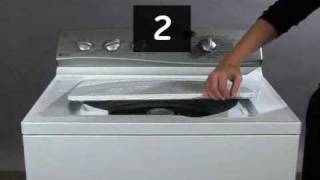
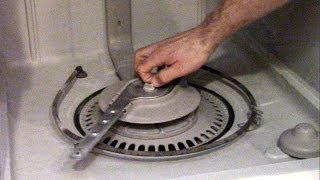
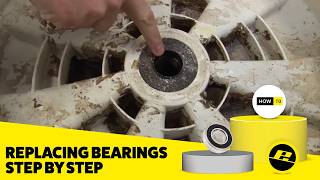
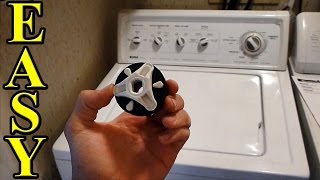
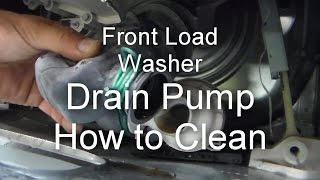
Real DIY Repair Stories
Be the first to share your repair story!
Share Your Repair Story
Your experience helps other homeowners fix their appliances. Tell us how it went!
Can't Fix It Yourself? Find a Local Technician
It's perfectly okay to call a professional. Some repairs require specialized tools, deep teardowns, or dealing with complex systems that are better left to the pros.

Find the Right Part for Your Appliance
Don't guess — search your exact appliance model number at ProsourceParts.com to find the correct OEM compatible replacement part. They offer fast free shipping, guaranteed fit, and thousands of parts in stock.
Your Free Parts Videos
Whether your dishwasher won't drain, your dryer stopped heating, or your fridge isn't cold, we've created simple repair guides for the most common appliance problems homeowners face. Each guide explains what's going wrong, the most likely causes, and which replacement parts fix the issue. When you're ready to order, we link directly to ProsourceParts.com where you can search by model number and get the right part shipped fast.