
Whirlpool WTW8100BW0 Tub Bearing Replacement — What Fixes a Noisy or Wobbly Washer
Need the replacement part? Search your model number at for guaranteed fit and fast free shipping.
Understanding the Problem
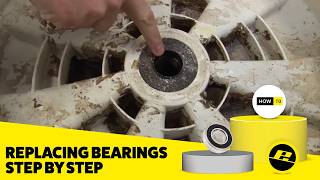
Brief explanation: If your Whirlpool WTW8100BW0 makes loud rumbling/grinding noises during spin, has excessive tub wobble, leaks oil/grease, or leaves metal shavings in the tub, the tub bearing and/or seals are very likely worn or failed. The tub bearing supports the inner (spin) basket and allows it to spin smoothly. When bearings fail the basket will wobble and contact the outer tub or produce metal debris that will accelerate seal failure and leaks. Step-by-step diagnostic and repair instructions: 1) Confirm the symptom: a) Run a spin-only or rinse/spin cycle and listen for loud grinding, rumbling, or squealing during spin. Note whether noise increases with speed. b) With the machine off and unplugged, rotate the inner basket by hand. Feel for rough spots, grinding, or play (wobble). Excessive lateral movement of the basket indicates bearing wear or a worn bearing seat. c) Inspect the bottom of the outer tub for oil/grease stains and look for metal flakes in the tub or pump filter. 2) Gather tools and parts: - Basic hand tools (screwdrivers, sockets, pliers) - Puller/hub removal tool or slide hammer for the spin basket - Bearing and seal kit for your model (see parts list below) - Bearing driver or correctly sized sockets and a press (recommended) for installing new bearing/seal - Work gloves, towels, container for water 3) Safety and prep: - Unplug the washer and shut off the water supply. - Move the washer to a work area with space behind it. Tip: keep the work area flat and use cardboard to protect the floor. 4) Remove the cabinet/top and control console: - On WTW8100-series top-loaders remove the console clips or screws, tilt back or remove it per model service instructions, then remove the cabinet (usually held by clips/screws at the rear). 5) Remove agitator and active wash plate (if fitted): - Remove the fabric softener dispenser and agitator cap, then unscrew or pull out the agitator bolt and lift the agitator out. 6) Disconnect the drive components: - Remove the drive belt and motor if it obstructs tub removal. - Remove the motor coupling/clutch/brake assembly as needed to free the spin basket. Note orientation and order of parts for reassembly. 7) Remove the spin basket (inner tub): - Many Whirlpool top-loaders have the inner basket pressed over the bearing hub or held with a nut/retainer. Use the appropriate puller or a slide hammer to extract the basket from the shaft. This step often requires significant force — a proper puller prevents damage. 8) Remove the old bearing and seal: - With the inner basket off, you’ll see the bearing and seal pressed into the outer tub or bearing housing. Use a bearing puller or carefully drive the old bearing out from behind. Remove the old seal (may need seal puller or screwdriver). Clean the bearing bore thoroughly and inspect the mating surfaces for pitting or scoring. 9) Press in the new bearing and seal: - Use the bearing/seal kit instructions. Press bearings straight and square into the bore — do not hammer directly on the bearing race. Use a proper bearing driver or a correctly sized socket that contacts only the outer race to avoid damage. Install the seal with the lip facing inward toward the bearing and basket per kit instructions. 10) Reinstall the spin basket and reassemble: - Slide or press the spin basket back onto the tub shaft. Reinstall the clutch/brake/motor components, belt and motor, agitator and dispenser, cabinet and control console in reverse order of removal. Check for correct routing and secure fasteners. 11) Test the washer: - Reconnect water and power. Run an empty spin cycle and listen for noise and watch for wobble or leaks. Inspect under the washer for leaks and check that the basket spins smoothly. Practical 'how to fix' tips: - Use a proper bearing press or shop press if available. Driving bearings in by hammering is likely to damage them. - If the bearing bore or tub flange is heavily corroded or scored, replacement of the outer tub or a used replacement tub may be required; pressing a new bearing into a damaged bore will lead to early failure. - Keep track of all shims/spacers — washers often need the same spacer stackup on reassembly to keep the drive hub aligned. Safety note: Always unplug the washer and shut off water before working on it. Bearings and baskets are heavy; use proper lifting technique or a helper. If you’re not comfortable with bearing presses, pulling heavy pressed parts, or aligning the tub/basket, consider hiring a professional—incorrect installation can cause rapid re-failure or further damage.
Common Symptoms
Loud rumbling or grinding during spin, excessive tub wobble, oil/grease under the washer, metal flakes in tub or pump, and possible leaks from the bottom of the washer.
Common Causes
- Worn or rusted bearing races from age, water intrusion, or lack of lubrication
- Failed tub seal allowing water to reach and corrode the bearing
- Damaged or scored bearing bore/outer tub flange from prolonged operation with failed seals
Popular Parts That Fix This Problem
These are the most common replacement parts that fix this problem. When you're ready to order, click below to find the right part at ProsourceParts.com — just search by your appliance model number for a guaranteed fit.
Helpful Repair Tip
To confirm the bearing: with power off, grab the inner basket and try to rock it side-to-side. Noticeable lateral play plus a rough/gritty feel when you spin it by hand is a reliable sign the bearing or bearing seat is bad.
Frequently Asked Questions
How long does a tub bearing replacement take?
For a competent DIYer with the right tools, expect 3–6 hours. Time varies with tool availability (bearing puller/press), familiarity, and whether additional parts (outer tub, basket) are required. Without a press or experience, the job can take much longer or require a shop.
Can I replace just the bearing or do I need to replace the entire tub?
If the bearing bore (tub flange) is intact and not heavily scored or corroded, you can replace just the bearing and seal using a bearing/seal kit. If the bore is damaged or the outer tub flange is warped, replacement of the outer tub or full tub assembly will be necessary for a durable repair. Always inspect the mating surfaces carefully before deciding.
Related How-To Videos
Real DIY Repair Stories
Be the first to share your repair story!
Share Your Repair Story
Your experience helps other homeowners fix their appliances. Tell us how it went!
Can't Fix It Yourself? Find a Local Technician
It's perfectly okay to call a professional. Some repairs require specialized tools, deep teardowns, or dealing with complex systems that are better left to the pros.
Find the Right Part for Your Appliance
Don't guess — search your exact appliance model number at ProsourceParts.com to find the correct OEM compatible replacement part. They offer fast free shipping, guaranteed fit, and thousands of parts in stock.
Your Free Parts Videos
Whether your dishwasher won't drain, your dryer stopped heating, or your fridge isn't cold, we've created simple repair guides for the most common appliance problems homeowners face. Each guide explains what's going wrong, the most likely causes, and which replacement parts fix the issue. When you're ready to order, we link directly to ProsourceParts.com where you can search by model number and get the right part shipped fast.