
Whirlpool WTW8040DW2 – Common Problems, Diagnosis & What Part Fixes Them
Need the replacement part? Search your model number at for guaranteed fit and fast free shipping.
Understanding the Problem
Overview: The Whirlpool WTW8040DW2 is a high-efficiency top-load washer that commonly shows a handful of repeat problems: not draining, not spinning, failing to fill or overfilling, excessive vibration/shaking, or error codes. Below are prioritized diagnostic checks and step-by-step repair actions for the most common failures. 1) Start with simple checks (5 minutes) a. Power: Make sure washer is plugged in and circuit breaker hasn't tripped. b. Load: Empty or redistribute an unbalanced load — bulky items can prevent spin. c. Hoses: Verify drain hose is not kinked and stands at correct height (per manual). d. Error codes: If the display shows an error, write it down — it points to a circuit/part. 2) Not draining / slow draining (common) a. Verify drain path: Remove and inspect the standpipe, household trap, and drain hose for clogs. b. Access the pump: Unplug washer and turn off water. Tip the top or remove lower access panel per manual to reach the drain pump and filter. c. Manual test: Place a bucket under pump discharge, run a drain/spin cycle. If pump hums but no water flows, and filter or impeller is clogged or broken, remove obstruction. d. Electrical test: With washer unplugged, disconnect pump wiring and test continuity with a multimeter. No continuity suggests a bad pump motor. e. Repair: Replace the drain pump assembly if obstructed impeller, no spin, or motor has no continuity. Reinstall and test. 3) Washer won’t spin or agitate a. Lid switch / lid lock: Modern models won't spin if lid lock fails. With power off, inspect lid lock mechanism for broken plastic tabs and test continuity across the switch when lid closed. Replace the lid lock assembly if faulty. b. Motor / drive: If lid lock is good, check for error codes, listen for motor hum. If motor hums but no spin, inspect drive coupling or motor control (may require technician-level diagnosis). c. Mechanical block: Make sure nothing trapped between inner and outer tub and that agitator/drive block isn’t stripped. 4) Fills slowly or not at all / overfills a. Water inlet valves: Check inlet screens for debris. Test valve coils for continuity; replace valve if coils are open or valve sticks. b. Pressure/level sensor or air tube: Inspect the air tube from tub to pressure switch for clogs or cracks. A clogged or leaking tube will cause improper water level behavior. c. Electronic control: If valves and pressure switch test good but symptoms persist, the main control board or console may be at fault. 5) Excessive vibration, banging or moving a. Balance & load: First correct unbalanced loads and test. b. Suspension rods / shocks: Top-load modern machines use suspension rods; if one or more are weak or broken the tub will slam. Inspect by shifting tub with hand — excessive play suggests worn suspension rods; replace all rods in affected set. c. Shipping bolts/mounts: Ensure all shipping fixtures were removed during installation. 6) Error codes & diagnostics a. Enter service diagnostics (refer to service manual for exact button sequence for this model) to read stored codes and run motor/pump tests. b. Use codes to focus on parts to test (e.g., F7 = motor problem; F9 = lid lock; F8 = water level sensor) — check your washer manual or the service sheet inside the console for code meanings. 7) When to replace the control board or user interface a. Replace only after verifying sensors, switches, wiring, and power. Intermittent or unresponsive console combined with no mechanical fault suggests user interface or main control board failure. How-to-fix example: Replacing a faulty drain pump (practical steps) 1. Unplug washer and shut off water supply. 2. Move washer away from wall to access rear or remove lower front access panel (model dependent). 3. Place towels and a shallow pan to catch residual water. 4. Disconnect pump electrical connector and hose clamps; remove pump mounting screws. 5. Install replacement pump, reconnect hoses and electrical connector, secure mounting screws. 6. Turn on power and run a drain/spin cycle to confirm proper operation. Safety note: Always disconnect power before doing any repairs. Turn off water supply for water-system repairs. Use proper tools and eye protection. If you are unsure about handling live electrical parts or working under the machine, call a qualified appliance technician.
Common Symptoms
Washer won't drain, won’t spin, won't start, fills incorrectly, vibrates violently, or displays error codes on the console.
Common Causes
- Clogged drain hose, trap, or pump filter
- Failed drain pump motor or impeller blockage
- Faulty lid switch / lid lock preventing spin
- Worn suspension rods leading to excessive vibration
- Defective water inlet valve or pressure/level sensor
- Faulty electronic control board or user interface
Popular Parts That Fix This Problem
These are the most common replacement parts that fix this problem. When you're ready to order, click below to find the right part at ProsourceParts.com — just search by your appliance model number for a guaranteed fit.

Helpful Repair Tip
To confirm a bad drain pump: start a drain/spin cycle and listen — if you hear a faint hum but no water moves and the pump has debris-free impeller, the pump motor is likely seized and needs replacement. If nothing is heard, check for lost power to the pump or failed pump motor with a multimeter.
Frequently Asked Questions
How do I reset my Whirlpool WTW8040DW2 washer?
Power-cycle the washer: unplug it or switch the circuit breaker off for 60 seconds, then restore power. This clears some temporary faults. If symptoms persist, run the washer’s diagnostic mode (refer to the service manual) or check for stored error codes that indicate the failed component.
How do I run diagnostics and read error codes on WTW8040DW2?
Exact button sequences can change by model revision; consult the service sheet found behind the console or the official Whirlpool service manual for the WTW8040DW2. Generally, diagnostics let you run motor, pump, fill, and heater tests and display stored fault codes – use those codes to narrow down which sensor or component to test next. If you don’t have the service manual, note the error code shown on the display and search for that code plus your model number to find its meaning.
Related How-To Videos
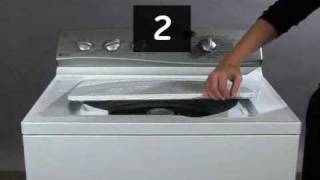
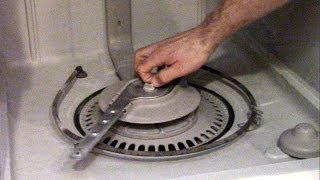
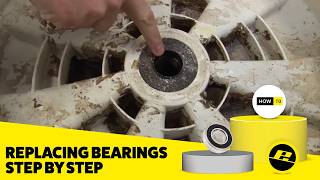
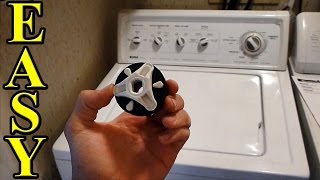
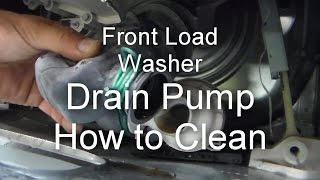
Real DIY Repair Stories
Be the first to share your repair story!
Share Your Repair Story
Your experience helps other homeowners fix their appliances. Tell us how it went!
Can't Fix It Yourself? Find a Local Technician
It's perfectly okay to call a professional. Some repairs require specialized tools, deep teardowns, or dealing with complex systems that are better left to the pros.

Find the Right Part for Your Appliance
Don't guess — search your exact appliance model number at ProsourceParts.com to find the correct OEM compatible replacement part. They offer fast free shipping, guaranteed fit, and thousands of parts in stock.
Your Free Parts Videos
Whether your dishwasher won't drain, your dryer stopped heating, or your fridge isn't cold, we've created simple repair guides for the most common appliance problems homeowners face. Each guide explains what's going wrong, the most likely causes, and which replacement parts fix the issue. When you're ready to order, we link directly to ProsourceParts.com where you can search by model number and get the right part shipped fast.