
Whirlpool WTW8000BWO Washer Troubleshooting – What to Check and How to Fix It
Need the replacement part? Search your model number at for guaranteed fit and fast free shipping.
Understanding the Problem
The WTW8000BWO is a Whirlpool top-load high-efficiency washer. Owners commonly see a handful of recurring issues: washer won't drain, won't spin, makes loud noises or vibrates excessively, or won't start/display error codes. Below is a practical diagnostic and repair procedure covering those common symptoms so you can identify the failing part and fix it. 1) Initial quick checks (5 minutes) a. Unplug the washer (or turn off the breaker) before doing any internal checks. b. Check the control/display for an error code; write it down — codes point to specific systems. c. Verify the washer has power and the door/lid closes and latches fully. d. Inspect the drain hose for kinks and ensure it's installed at the correct height (per manual) and not blocked. 2) If the washer won't drain or spins but water remains a. Listen during a drain cycle. If you hear the pump hum but no water flows, the pump is likely clogged or the impeller is broken. b. Access the drain pump: on many Whirlpool top-loads you remove the lower front access or tip the washer back and remove the front base panel. Remove the pump and check for coins, lint, debris or damaged impeller. c. Test the pump electrically: with the washer unplugged, disconnect the pump wiring and check continuity with a multimeter (pump should show some continuity; open circuit often means pump failure). d. Replace the drain pump if clogged beyond cleaning, impeller broken, or no electrical continuity. 3) If the washer won't spin or spins only intermittently a. Make sure the load is balanced. Redistribute heavy items and run a spin-only cycle. b. Check the lid lock/latch: the washer won't spin if the lid lock doesn't engage. Inspect for broken plastic, burnt connectors or failed lock solenoid. Test the lock for continuity with a meter; no continuity when engaged = replace lid lock assembly. c. If the lid lock is OK, check the drive system. Some WTW models use a direct-drive motor and clutch/drive coupling or transmission/gearcase. Symptoms of drive failure: motor runs but basket doesn't spin, or a grinding noise. Inspect the drive belt (if present), motor coupling/clutch or gearcase for obvious damage. Replace the failed component. d. Check the motor control board and wiring for burn marks or loose connectors. Error codes often indicate a failed motor or control issue. 4) If the washer is noisy, vibrates or shakes excessively a. Level the washer: use a carpenter's level across the top and adjust the adjustable feet. Lock the feet if applicable. b. Inspect the suspension/shock absorbers (or suspension rods). On top-load HE machines, worn shock absorbers or springs cause banging and excessive movement. Visually inspect and test for free play; if any are broken or oil-soaked, replace all four or the full suspension kit. c. Check the tub bearings and seal: rumbling during spin can indicate worn bearings or a failing seal. Replacement requires removing the transmission/gearcase and is more involved; many technicians replace the entire gearcase/tub assembly. d. Check for foreign objects in the outer tub or between the tub and inner basket. 5) If the washer won't start or responds intermittently a. Confirm power to the appliance and that the breaker or GFCI hasn't tripped. b. Reset the washer by unplugging for 1 minute and plugging back in. Some glitches clear with a reset. c. Check the control console and user interface: stuck buttons or water damage can cause random behavior. Replace the console or control board if necessary. 6) Reading and interpreting error codes a. Look up the code in the washer's tech sheet (usually taped to the back panel or inside console) or the owner's manual. Codes like F02/F2 (drain pump), F8/E1 (motor/system), or F7/E3 (motor rotor/stator) point you directly to the failed subsystem. b. Follow targeted diagnostics for the code — check wiring harness continuity, connectors, and perform component resistance tests per the tech sheet. 7) Replacement basics (common repairs) a. Drain pump: remove front base panel, disconnect wiring and hoses, remove pump screws/clamps, replace with new pump and reassemble. Test with a drain/spin cycle. b. Lid lock: remove console/top (follow model-specific steps), unplug the lock connector, remove lock mounting screws, install new lock, reconnect and test. c. Shock absorbers/suspension: tip the washer to access the bottom, remove fasteners holding shocks to tub and base, replace all worn units, set washer upright and test. d. Motor or gearcase work: these are advanced repairs. If you have strong mechanical skills, follow the model's service manual steps to remove drive components; otherwise hire a technician. Safety note: Always disconnect power and water before accessing internal components. Use proper tools, gloves and eye protection. If a repair requires lifting heavy assemblies (tub or gearcase), get help or a technician to avoid injury or damage to the machine.
Common Symptoms
Washer won't drain, washer won't spin, washer noisy or vibrates, washer won't start, error codes on display (drain/motor/suspension related).
Common Causes
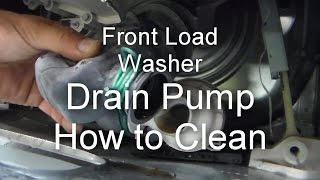
- Clogged or failed drain pump or blocked drain hose
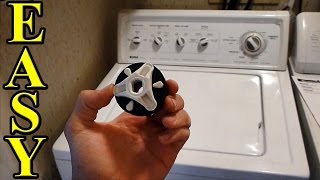
- Broken lid lock, drive coupling, motor or transmission failure
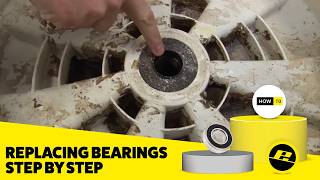
- Worn suspension/shock absorbers, tub bearings, or misleveled machine
Popular Parts That Fix This Problem
These are the most common replacement parts that fix this problem. When you're ready to order, click below to find the right part at ProsourceParts.com — just search by your appliance model number for a guaranteed fit.
Helpful Repair Tip
To confirm a faulty drain pump: put the washer into a drain/spin cycle and listen—if the pump doesn't run and you can feel no vibration but the pump is powered, test pump continuity with a multimeter; no continuity means replace the pump.
Frequently Asked Questions
How do I find the correct replacement part number for my WTW8000BWO?
Locate the washer's model and serial tag (usually on the door opening or behind the top panel). Use that model/serial on the Whirlpool parts lookup or a reputable parts retailer to get the exact OEM part number. Parts often vary by production run and serial number, so confirm before ordering.
Can I fix the WTW8000BWO myself or should I call a technician?
You can handle basic repairs yourself: clearing pump clogs, replacing a drain pump, lid lock or shock absorbers if you are comfortable with basic tools and safety precautions. Advanced jobs—motor/gearcase replacement, bearing/tub replacement, or complex electrical diagnostics—are heavy, time-consuming, and better handled by a trained appliance technician.
Related How-To Videos
Real DIY Repair Stories
Be the first to share your repair story!
Share Your Repair Story
Your experience helps other homeowners fix their appliances. Tell us how it went!
Can't Fix It Yourself? Find a Local Technician
It's perfectly okay to call a professional. Some repairs require specialized tools, deep teardowns, or dealing with complex systems that are better left to the pros.

Find the Right Part for Your Appliance
Don't guess — search your exact appliance model number at ProsourceParts.com to find the correct OEM compatible replacement part. They offer fast free shipping, guaranteed fit, and thousands of parts in stock.
Your Free Parts Videos
Whether your dishwasher won't drain, your dryer stopped heating, or your fridge isn't cold, we've created simple repair guides for the most common appliance problems homeowners face. Each guide explains what's going wrong, the most likely causes, and which replacement parts fix the issue. When you're ready to order, we link directly to ProsourceParts.com where you can search by model number and get the right part shipped fast.