
Whirlpool WTW7600XW2 — Common Problems and Step‑by‑Step Fixes
Need the replacement part? Search your model number at for guaranteed fit and fast free shipping.
Understanding the Problem
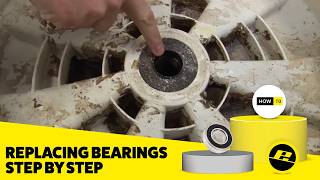
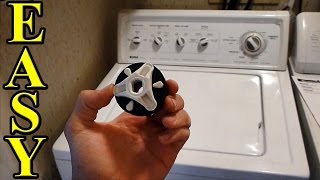
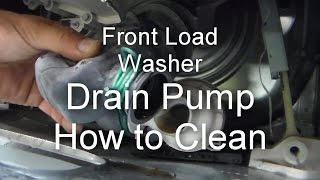
The Whirlpool WTW7600XW2 is a high‑efficiency top‑load washer. Owners commonly run into a handful of repeatable problems: won't start, won't fill, won't agitate or spin, won't drain, loud noises or heavy vibration, and leaks. Below are targeted diagnostic steps and practical how‑to fixes for each symptom. 1) Washer won't start or won't respond to controls 1. Check power: verify the outlet has 120V (use a multimeter) and the circuit breaker/fuse is not tripped. Try a different outlet if possible. 2. Door/lid switch: for top‑load models the lid switch or lid lock assembly must register closed. With power off, open the console or access panel and inspect the lid switch for visible damage; test continuity with a multimeter. Replace if open when lid closed. 3. Control lock/child lock: confirm control lock is not active (press and hold the control lock button per manual) and try a reset: unplug the washer for 60 seconds then plug back in. 4. Control board or user interface: if inlet power and lid switch OK but no lights or intermittent behavior, inspect connector harnesses on the control board for burned pins or loose connections. Replace control board only after confirming other items. How to fix: replace a failed lid switch assembly, repair loose harness connections, or replace the electronic control if diagnosed defective. 2) Washer won't fill or water level problems 1. Verify water supply: check both hot and cold supply valves are fully open and water pressure is normal. 2. Inlet screens/valve: turn off water and remove inlet hoses; check for debris on the hose screens and on the washer side inlet valve screens. Clean screens or replace if damaged. 3. Water inlet valve: test the inlet valve solenoids for continuity. If a solenoid is open or the valve leaks, replace the inlet valve assembly. 4. Pressure switch/pressure hose (for load sensing): inspect the small rubber pressure hose for kinks, disconnections, or blockages and verify the pressure switch connections. How to fix: clean inlet screens, replace the water inlet valve assembly, or replace the pressure switch/hose as indicated. 3) Washer won't agitate or spin (or stops mid‑cycle) 1. Load imbalance: remove excess or bunched laundry and try a smaller, balanced load. 2. Lid switch/lid lock: if the lid lock fails, the washer may refuse to agitate/spin — test and replace if needed. 3. Drive system (belt, motor, clutch/gearcase): listen for motor running without drum movement. If motor runs but drum doesn't, inspect belt (if present), pulley, and gearcase (transmission). Signs of a bad gearcase: grinding, slippage, or inconsistent spin. 4. Motor capacitor/start device: motors that fail to start or hum may have a bad start capacitor or motor fault. Test motor windings and capacitor. How to fix: rebalance loads; replace lid switch; replace belt or drive components; service/replace motor or gearcase depending on diagnosis. 4) Washer won't drain or shows water in drum 1. Check for clog: inspect pump inlet/filter and drain hose for lint, socks, or debris. Remove blockages and run a drain/spin test. 2. Drain pump: with power off, remove the access panel and check the drain pump for obstructions and test pump continuity. If pump is dead or noisy, replace it. 3. Drain hose height and routing: confirm the drain hose is installed at the correct height and not kinked. How to fix: clear clogs, replace a failed drain pump, or re‑route the drain hose per installation instructions. 5) Loud noise, knocking, or excessive vibration 1. Foreign object check: inspect around the tub and pump for coins, pins, or other foreign items that cause knocking. 2. Suspension and dampening: top‑load washers use suspension rods or springs; inspect for worn/broken suspension rods, springs, or shock absorbers and replace if damaged. 3. Bearings/gearcase: rumbling or grinding during spin points to worn tub bearings or a failing gearcase — replace gearcase/tub bearings as needed (this is more labor intensive). How to fix: remove foreign objects, replace worn suspension rods/shocks, or rebuild/replace the gearcase/bearing assembly. 6) Leaks from tub or hoses 1. Inspect hoses: check inlet hoses, drain hose, and any internal hoses for cracks, loose clamps, or wear. Tighten clamps or replace hoses. 2. Door seal and tub gaskets: for leaks around the lid or from the tub seam, inspect seals and the outer tub for corrosion or cracks. 3. Water inlet valve or pump leak: check inlet valve and pump for visible leaks; replace the defective component. How to fix: replace leaking hoses, clamps, seals, inlet valve, or pump. Safety note: Always unplug the washer and shut off water supplies before opening panels. Use a multimeter only if you know how to test safely. If you are unsure about working with mains voltage or complex mechanical repairs (gearcase/tub bearings), hire a qualified technician.
Common Symptoms
Washer won’t start, won’t fill, won’t spin or drain, loud knocking during spin, excessive vibration, water leaks.
Common Causes
- Power or control board issues, and failed lid switch
- Clogged or failed water inlet valve or drain pump
- Worn suspension, bearings, gearcase or drive components causing noise or no spin
Popular Parts That Fix This Problem
These are the most common replacement parts that fix this problem. When you're ready to order, click below to find the right part at ProsourceParts.com — just search by your appliance model number for a guaranteed fit.
Helpful Repair Tip
To confirm a drain pump failure: put the washer on a drain/spin cycle, listen — if the motor runs but you hear no pumping or you hear a grinding noise, disconnect power and test the pump for continuity; a failing pump usually has no or erratic continuity and may be visibly clogged or cracked.
Frequently Asked Questions
Can I repair my WTW7600XW2 myself?
Yes for many common issues: power checks, cleaning inlet screens, removing clogs, replacing the lid switch, pump, hoses, or suspension rods are DIY‑friendly if you have basic tools and follow safety steps. Complex repairs — replacing a gearcase, tub bearings, or working on the motor/control board — are more advanced and may be best handled by a pro.
How do I find the exact replacement part for my washer?
Locate the model and serial tag on the washer (usually on the cabinet rim under the lid or on the back). Use that exact model/serial when searching parts lists or ordering from Whirlpool or an authorized parts supplier. If in doubt, photograph the tag and the failing part and confirm compatibility with the supplier before purchase.
Related How-To Videos
Real DIY Repair Stories
Be the first to share your repair story!
Share Your Repair Story
Your experience helps other homeowners fix their appliances. Tell us how it went!
Can't Fix It Yourself? Find a Local Technician
It's perfectly okay to call a professional. Some repairs require specialized tools, deep teardowns, or dealing with complex systems that are better left to the pros.
Find the Right Part for Your Appliance
Don't guess — search your exact appliance model number at ProsourceParts.com to find the correct OEM compatible replacement part. They offer fast free shipping, guaranteed fit, and thousands of parts in stock.
Your Free Parts Videos
Whether your dishwasher won't drain, your dryer stopped heating, or your fridge isn't cold, we've created simple repair guides for the most common appliance problems homeowners face. Each guide explains what's going wrong, the most likely causes, and which replacement parts fix the issue. When you're ready to order, we link directly to ProsourceParts.com where you can search by model number and get the right part shipped fast.