
Whirlpool WTW7500GW0 Lid Lock / Latch Not Locking – What Part Fixes This?
Need the replacement part? Search your model number at for guaranteed fit and fast free shipping.
Understanding the Problem
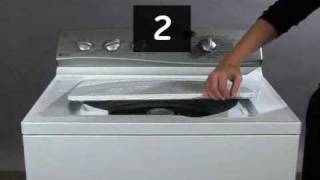
Brief explanation: The lid lock (latch or lock assembly) on the Whirlpool WTW7500GW0 is an electromechanical assembly that keeps the lid closed and signals the control board that it is safe to spin or run on certain cycles. If the washer won't start, won't enter spin, displays lid lock fault codes, or the lid is physically stuck locked, the lid lock assembly (or its wiring/control) is usually at fault. Below are step-by-step diagnostic and repair instructions. 1. Observe symptoms and fault codes - Note any error codes (e.g., "LO", "Ld", or control-specific lid lock errors) and when the problem happens (start of cycle, mid-cycle, after power loss). 2. Preliminary checks (easy, no tools required) - Unplug or turn off the washer to reset the control for 1 minute, then try a cycle. - Open and close the lid firmly and listen for the lock engaging. If you hear a click and the washer proceeds, the issue may be intermittent. - Inspect the lid strike (the plastic or metal piece on the lid that mates with the lock mechanism) for damage or misalignment. 3. Visual inspection - Unplug the washer. Remove the top panel (usually two screws at the back under the lid, then slide the top back and lift). Inspect the lid lock assembly for cracked housing, broken actuator, melted plastic, or water intrusion. - Inspect the wiring harness and connector to the lid lock for loose, burned, or corroded pins. 4. Electrical testing (multimeter required) - With power OFF and unplugged, disconnect the lid lock connector and check continuity across the lock actuator pins per the service manual (a healthy lock often shows continuity across specific pins; consult wiring diagram if available). - With the washer plugged in and set to a cycle that attempts to lock, carefully (use insulated probes) measure whether the control board sends voltage to the lid lock actuator during the lock step (usually ~120VAC on many Whirlpool models or low voltage on some newer models). If there's no voltage from the control during the lock attempt, suspect the control board or program/interlock logic. - If the control sends correct voltage but the lock does not actuate, the lock assembly is faulty. 5. Mechanical check - Check the lid hinge and alignment. If the lid strike cannot reach the lock because of warped hinges or bent strike, the lock will fail. Realign or replace the strike if needed. 6. Replace the lid lock assembly (common repair) - Unplug washer. Remove the two screws at the rear of the top panel; slide the top back and lift to access the lock. - Disconnect the wiring harness and remove the screws or clips holding the lock assembly to the top panel. - Install the new lock assembly, reconnect harness, reattach top panel, plug in, and run a diagnostic or test cycle to confirm proper operation. 7. If lid is stuck locked (won't unlock) - Unplug the washer. Manually release the strike if accessible (some models have a small slot to insert a flat screwdriver to trip the latch). If manual release not possible, remove top panel and release the lock linkage manually before replacing the assembly. 8. Follow-up testing - Run a quick wash and spin cycle to verify the washer locks/unlocks consistently and completes cycles. Safety note: Always disconnect power before opening the washer or handling internal parts. If you must perform live-voltage tests, use appropriate insulated test tools and extreme caution or hire a technician. If you are unsure about electrical testing or control board diagnosis, consider professional service.
Common Symptoms
Washer will not start or won't spin, displays a lid-lock/lid-open error, hears clicking but lid doesn't lock, lid remains locked and won't release, intermittent locking that causes cycle failures.
Common Causes
- Failed lid lock assembly (mechanical or electrical failure)
- Damaged or misaligned lid strike or lid hinge preventing proper engagement
- Wiring harness or connector fault between the control board and the lid lock
- Control board not sending lock signal (rare)
- Moisture/corrosion or physical damage to the lock assembly
Popular Parts That Fix This Problem
These are the most common replacement parts that fix this problem. When you're ready to order, click below to find the right part at ProsourceParts.com — just search by your appliance model number for a guaranteed fit.

Helpful Repair Tip
Confirm the lid lock is faulty by observing whether the control sends voltage to the lock during the lock step. If the board sends voltage and the lock does not actuate, the lock assembly is bad. If there is no voltage, suspect the control or wiring instead.
Frequently Asked Questions
Can I bypass the lid lock to run the washer?
Bypassing the lid lock is not recommended. The lid lock is a safety device that prevents spinning with the lid open. Bypassing may allow some diagnostic steps but creates a safety hazard and may prevent some cycles from running. Instead, diagnose and replace the faulty lock assembly or related wiring.
How long does replacing a Whirlpool lid lock take and how much will it cost?
Replacement is typically a 20–45 minute DIY job for someone comfortable with basic appliance repair: unplug washer, remove top panel, disconnect the old lock, mount and reconnect the new one, reassemble. OEM lock assemblies commonly cost between $35 and $90 depending on supplier; labor from a technician will add to the cost if you hire service.
Related How-To Videos

Real DIY Repair Stories
Be the first to share your repair story!
Share Your Repair Story
Your experience helps other homeowners fix their appliances. Tell us how it went!
Can't Fix It Yourself? Find a Local Technician
It's perfectly okay to call a professional. Some repairs require specialized tools, deep teardowns, or dealing with complex systems that are better left to the pros.

Find the Right Part for Your Appliance
Don't guess — search your exact appliance model number at ProsourceParts.com to find the correct OEM compatible replacement part. They offer fast free shipping, guaranteed fit, and thousands of parts in stock.
Your Free Parts Videos
Whether your dishwasher won't drain, your dryer stopped heating, or your fridge isn't cold, we've created simple repair guides for the most common appliance problems homeowners face. Each guide explains what's going wrong, the most likely causes, and which replacement parts fix the issue. When you're ready to order, we link directly to ProsourceParts.com where you can search by model number and get the right part shipped fast.