
Whirlpool WTW6120HC Washer — Common Problems and How to Fix Them
Need the replacement part? Search your model number at for guaranteed fit and fast free shipping.
Understanding the Problem
Overview: The Whirlpool WTW6120HC is a high-efficiency top-load washer (digital controls, electronic control board, lid lock, drain pump, water inlet valves and a motor/drive assembly). The most common service issues are: washer won't start or complete cycles, won't drain or spin, is noisy/vibrates, leaks, or displays error (F) codes. Below are practical, prioritized diagnostic and repair steps you can follow at home. 1) Before you start (basic checks) 1.1 Unplug the washer or switch off the breaker before opening access panels. 1.2 Make sure the washer is level and the load is balanced (an unbalanced heavy load can prevent spin/drain). 1.3 Check that the door/lid fully closes and latches. If the lid doesn’t lock the washer won’t advance. 2) Washer won’t start or won’t accept commands 2.1 Check power: verify the outlet has 120V with a multimeter or plug a known working device into the same outlet. 2.2 Inspect the house circuit breaker and reset if tripped. 2.3 Test the lid lock/lid switch: a faulty lid lock prevents starting. Remove the top and test the lock for continuity (multimeter). Replace the lid lock assembly if it shows no continuity or the lock actuator fails to engage. 2.4 Reset the control: unplug for 1–2 minutes and plug back in to clear temporary faults. 2.5 If control panel buttons are unresponsive or the display is blank, inspect for water damage to the console ribbon harness and test the main control board for burned components. 3) Washer won’t fill or has slow fill 3.1 Confirm both hot and cold water shutoff valves are open and hoses are not kinked. 3.2 Remove inlet hoses and check screens/filters on the water inlet valve for debris; clean if clogged. 3.3 Test the water inlet valve solenoids for continuity. Replace the water inlet valve assembly if solenoids are open or water flow remains restricted. 4) Washer won’t drain or spin 4.1 Remove the drain hose and inspect for clogs. Check the standpipe for obstructions. 4.2 Inspect and clean the drain pump: access the pump (usually at the front/bottom), remove debris, and test pump motor for continuity or operation by briefly applying 120V (only if you are experienced and safe). If pump hums but does not pump, replace it. 4.3 Check the drive system: depending on the model, there can be a belt, coupling or gearcase. If the motor runs but basket doesn’t spin, inspect belt/drive coupling or clutch/gearcase for wear and replace the faulty component. 4.4 Check the basket drive and transmission (gearcase) for broken gears or excessive oil — gearcase failure requires replacement. 5) Excessive vibration or noise during spin 5.1 Confirm washer is level and feet are firmly on the floor. Adjust feet and use a level. 5.2 Inspect suspension rods/dampers or springs for wear/breakage (top-load direct-drive machines use suspension dampers; replace worn dampers). 5.3 Check tub bearings and the drive hub/agitator for wear — worn bearings or a damaged tub seal cause loud rumble and need gearcase/service assembly replacement. 5.4 Remove foreign objects (coins, buttons) from the tub, drain pump inlet and filter. 6) Leaks from washer 6.1 Inspect inlet hoses and clamps for tightness and cracks — replace hoses older than 5 years. 6.2 Check the drain hose and its connection to either the washer or standpipe for secure fit and proper height (improper height can siphon or overflow). 6.3 Inspect door/lid seal (if present), detergent dispenser, and front/bottom access cover gaskets for damage. 6.4 If the leak comes from under the tub or around the gearcase, the tub seal or hose connections to the pump may be failing — replace the faulty seal/hose/pump. 7) Error codes (F-codes) and diagnostics 7.1 Note the displayed code and refer to the service manual for that model. Common codes mean issues like lid lock fault, motor control failure, or water inlet problems. 7.2 Start with simple checks: power reset, inspect and reseat wiring harnesses to the control and motor, check continuity of suspect components (lid lock, motor windings, water valve solenoids, drain pump). 8) Control board and wiring checks 8.1 Visually inspect the control board for burn marks, swollen capacitors or cracked solder joints. 8.2 Wiggle-test connectors and harnesses while monitoring symptoms — intermittent faults often come from loose connectors. 8.3 Replace the main control board only after ruling out external components (sensors, lid lock, motor) causing the fault. 9) Practical replacement steps (generic example: replace drain pump) 9.1 Unplug washer and turn off water supply. 9.2 Remove front access panel (or tilt unit back and remove bottom panel depending on model). 9.3 Disconnect the drain hose and wiring harness from the pump and remove mounting screws/clips. 9.4 Install new pump, reconnect harness and hose, secure panel, restore power and test with a drain/spin cycle. Safety note: Always disconnect power before servicing. Use a multimeter correctly and observe lockout/tagout for breakers if you are not the only household resident. If you are uncomfortable with electrical, gas, or heavy lifting work (e.g., replacing the gearcase or motor), hire a qualified appliance technician.
Common Symptoms
Washer won’t start, won’t drain or spin, displays error codes, loud noise during spin, leaks, slow fill or no fill.
Common Causes
- Faulty lid lock or lid switch preventing cycle start
- Blocked or failed drain pump or clogged drain hose preventing draining
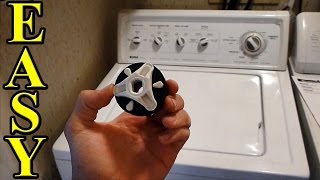
- Worn drive components (belt, coupling, gearcase) or motor problems preventing spin
Popular Parts That Fix This Problem
These are the most common replacement parts that fix this problem. When you're ready to order, click below to find the right part at ProsourceParts.com — just search by your appliance model number for a guaranteed fit.

Helpful Repair Tip
To confirm a failing component quickly: use a multimeter to check continuity on the lid lock, water inlet solenoids and drain pump. Then run a short diagnostic cycle while listening—if the pump gets 120V but doesn’t run, replace the pump.
Frequently Asked Questions
My WTW6120HC won't drain — should I replace the pump?
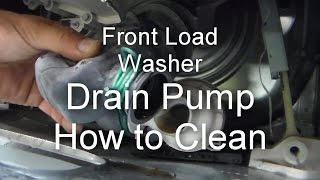
First check for clogs in the drain hose and standpipe and inspect the pump inlet for foreign objects. If the pump is getting power during a drain cycle but does not turn, or if it hums and does not move water, replace the pump. If the pump has no power, trace wiring back to the control board and check the lid lock and door switches first.
The washer shakes violently during spin. Is that a suspension problem?
Often yes — start by making sure the washer is level and the load is balanced. If the problem persists, inspect the suspension dampers/shock absorbers, springs and tub bearing for wear. Replace worn dampers or a damaged bearing/gearcase. Small lightweight loads can also cause imbalance in high spin speeds; try adding a few towels to even out the load.
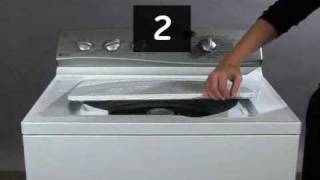
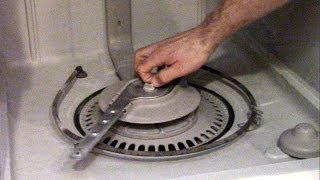
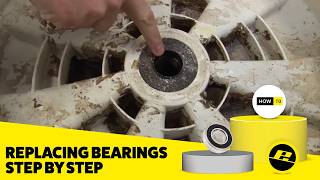
Related How-To Videos
Real DIY Repair Stories
Be the first to share your repair story!
Share Your Repair Story
Your experience helps other homeowners fix their appliances. Tell us how it went!
Can't Fix It Yourself? Find a Local Technician
It's perfectly okay to call a professional. Some repairs require specialized tools, deep teardowns, or dealing with complex systems that are better left to the pros.

Find the Right Part for Your Appliance
Don't guess — search your exact appliance model number at ProsourceParts.com to find the correct OEM compatible replacement part. They offer fast free shipping, guaranteed fit, and thousands of parts in stock.
Your Free Parts Videos
Whether your dishwasher won't drain, your dryer stopped heating, or your fridge isn't cold, we've created simple repair guides for the most common appliance problems homeowners face. Each guide explains what's going wrong, the most likely causes, and which replacement parts fix the issue. When you're ready to order, we link directly to ProsourceParts.com where you can search by model number and get the right part shipped fast.