
Whirlpool WTW5840BW0 — Common Problems and What Parts Fix Them
Need the replacement part? Search your model number at for guaranteed fit and fast free shipping.
Understanding the Problem
Brief overview: The Whirlpool WTW5840BW0 is a high-efficiency top-load washer. The most common service issues you'll see are: washer won't drain or spin, won't fill or overfills, loud vibration/rocking, leaks, or machine not starting and showing error codes. Below are step-by-step diagnostics and repair instructions you can perform at home. 1) Safety & prep: Unplug the washer and shut off both hot and cold water at the house valves before any inspection or repairs. Have a multimeter, basic hand tools (screwdrivers, nut drivers, pliers), towels, a bucket, and the washer's tech sheet (usually taped behind the console or rear panel). 2) If washer won't start or shows error codes: a) Note any displayed F-codes or flashing lights. Write them down. b) Power cycle: unplug 1 minute, plug back in. If codes return, proceed to test control inputs (lid lock, door switch, control board). c) Test the lid lock: with power off, remove top or access panel, locate the lid lock assembly. With a multimeter on continuity, check across the lock contacts; with the lid closed the lock should show continuity (consult schematic). Replace lid lock if no continuity or if it fails to latch/click. 3) If washer won't fill or has low water flow: a) Check household water supply and inlet hoses for kinks. b) Inspect the inlet screens on the water inlet valve for debris; shut water off and remove hoses to check screens. c) Test the inlet valve solenoids with a multimeter for continuity; if open or intermittent, replace the water inlet valve assembly. 4) If washer won't drain or drain is slow: a) Run a drain/spin or diagnostic drain cycle and listen. b) Check the drain hose for kinks or clogs and the household standpipe. c) Remove the lower front access or rear panel, locate the drain pump and check for obstructions (coins, lint, clothing). d) With power off, spin the pump impeller by hand; it should turn freely. Test pump motor for continuity; replace pump if it hums but doesn't pump or if impeller is damaged. 5) If washer won't spin or becomes off-balance: a) Check for load imbalance (single heavy items) and redistribute. b) Inspect suspension rods/shocks and tub springs for wear or sagging; worn shocks allow excessive movement — replace the set if tub rocks heavily. c) If motor hums but doesn't spin, inspect drive components (belt or coupler if applicable) and motor control board. 6) If there is noise or grinding: a) Remove the tub access and check for foreign objects between outer tub and inner basket. b) Inspect the basket bearings and tub seal if there's a loud grinding or rumbling during spin; bearing replacements are major jobs (seal & bearing kit). 7) Control board or electronics problems: a) Visually inspect the main control board and motor control board for burned components, bulging capacitors, or water damage. b) If all inputs test good and the board behaves erratically, replace the board(s). 8) Quick diagnostic tests: a) Use a multimeter to check continuity on lid lock, drain pump, heater (if present), and inlet valves. b) Use the washer's diagnostic/service mode (refer to service sheet) to actuate pump, valves, and motor to isolate faults. 9) Common repair steps (example — replacing drain pump): a) Disconnect power and water. b) Access the pump through the lower front panel or rear. c) Remove the drain hose and any clamps, unclip the pump wiring harness, remove mounting screws and replace. d) Reattach hoses and wiring, restore power and test a drain cycle. 10) Final tests & safety: After any repair, run a short cycle with no clothes to confirm proper fill, agitate, drain and spin. Always disconnect power before working on the machine and beware of sharp sheet metal. If you are uncomfortable working with high-current components (motor, main control board) or replacing sealed bearings, call a qualified appliance technician.
Common Symptoms
Washer won't drain or spin, won't start or displays error codes, poor fill/water flow, loud vibration or knocking during spin, leaks from front or bottom.
Common Causes
- Clogged drain pump, filter or drain hose
- Failed lid lock or lid switch preventing cycle start
- Faulty water inlet valve or blocked inlet screens
- Worn suspension/shock absorbers or tub bearings
- Faulty control board or motor control electronics
Popular Parts That Fix This Problem
These are the most common replacement parts that fix this problem. When you're ready to order, click below to find the right part at ProsourceParts.com — just search by your appliance model number for a guaranteed fit.

Helpful Repair Tip
To confirm a faulty drain pump: run a drain cycle and listen. If you hear humming but no water moves, unplug the washer and test pump motor continuity; also check for trapped debris in the pump inlet or impeller before replacing.
Frequently Asked Questions
How do I read or clear error codes on the WTW5840BW0?
Write down the exact code shown (F-codes, dashes or flashing lights). Power-cycle the washer (unplug 60 seconds) to see if the code returns. For many Whirlpool top-loaders you can enter service/diagnostic mode from the console to run tests and view stored codes — but the exact button sequence varies by model. If codes repeat, consult the washer's tech sheet or Whirlpool fault code list to match the code to probable failed components (e.g., F8 = motor, F7 = spin). If you're unsure, post the exact code and symptoms for targeted steps.
Can I safely repair my WTW5840BW0 myself or should I call a technician?
You can do many common repairs yourself: clearing clogs, replacing the drain pump, inlet valve, lid lock, or shock absorbers if you’re comfortable with basic tools and disconnecting power/water. Use a multimeter for electrical checks. Do not attempt repairs if you’re not comfortable working with mains electricity, replacing sealed tub bearings, or diagnosing control boards — in those cases hire a trained appliance technician. Always disconnect power before working on the washer.
Related How-To Videos
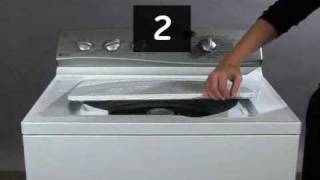
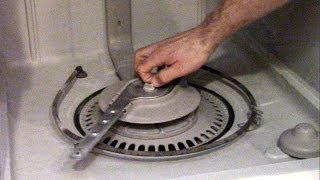
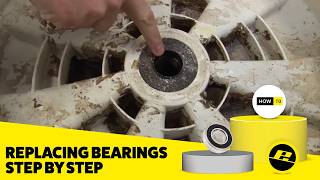
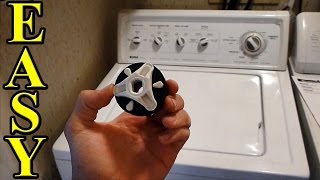
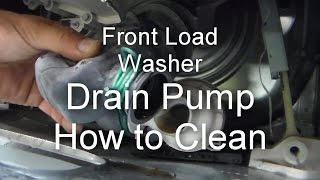
Real DIY Repair Stories
Be the first to share your repair story!
Share Your Repair Story
Your experience helps other homeowners fix their appliances. Tell us how it went!
Can't Fix It Yourself? Find a Local Technician
It's perfectly okay to call a professional. Some repairs require specialized tools, deep teardowns, or dealing with complex systems that are better left to the pros.

Find the Right Part for Your Appliance
Don't guess — search your exact appliance model number at ProsourceParts.com to find the correct OEM compatible replacement part. They offer fast free shipping, guaranteed fit, and thousands of parts in stock.
Your Free Parts Videos
Whether your dishwasher won't drain, your dryer stopped heating, or your fridge isn't cold, we've created simple repair guides for the most common appliance problems homeowners face. Each guide explains what's going wrong, the most likely causes, and which replacement parts fix the issue. When you're ready to order, we link directly to ProsourceParts.com where you can search by model number and get the right part shipped fast.