
Whirlpool WTW5000DW Not Spinning – What Causes It & How to Fix It
Need the replacement part? Search your model number at for guaranteed fit and fast free shipping.
Understanding the Problem
Brief explanation: If your Whirlpool WTW5000DW (top-load washer) won't spin, the washer may be failing to enter the spin cycle because the machine thinks the lid is open, the tub hasn't drained, the drive components are worn, or the motor/control electronics are failing. Below are clear diagnostic steps and hands‑on repair actions you can take. Step-by-step diagnostic and repair instructions: 1) Reproduce the problem & note symptoms - Run a small drain and spin or a normal cycle and watch what happens during the drain-to-spin transition. Note noises (humming, grinding), error codes on display, whether it drains, and whether the tub is locked. 2) Check basic operator causes (fast, no tools) - Make sure load is balanced. Remove items to spread load evenly; an unbalanced load will prevent spin. - Verify you selected a spin or drain & spin cycle. 3) Confirm drain completion - If the washer will not drain, it will not spin. Check for blocked drain hose, kinked hose, lint/coin trap, or clogged pump inlet. - Remove and inspect the pump filter/trap (if accessible). Clear debris and test the pump by running a drain cycle. 4) Inspect the lid lock / lid switch - Listen for the lid lock engaging (a distinct click) when the cycle reaches spin. If you don’t hear it or the lid lock doesn’t latch, the washer will not spin. - Access the lid lock assembly (usually in the top console). Test continuity of the lid lock with a multimeter or temporarily bypass the lock only for testing (only for brief testing). If the switch/lock is bad, replace it. 5) Check for error codes & diagnostic mode - Look at the control panel for fault codes. Enter the washer diagnostic mode (consult service manual or label inside console) to see errors for drain, lid lock, motor, or communication faults. 6) Inspect drive components (physical checks) - Remove the cabinet/top to inspect drive area. Look for a worn or broken drive belt (if your model has one) or obvious damage to coupler/clutch/gearcase. - Check for seized pulley or burnt smell from motor (indicating motor failure). 7) Test the drain pump electrically - With the washer unplugged and panel removed, disconnect pump harness and check pump for continuity. If pump runs but the washer still won’t drain fully, look for blockages in hoses or pump impeller damage. 8) Test motor and motor control - Put the washer in a diagnostic spin and measure voltage to the motor when the control commands spin. If the board is sending voltage but the motor doesn’t turn, motor or gearcase is likely bad. If no voltage, the motor control board or main control may be at fault. 9) Inspect clutch / transmission / gearcase - If motor runs but drum does not spin up to speed (slips or makes grinding noise), the clutch or gearcase may be worn or failed. Replace clutch/gearcase assembly as required. 10) Replace faulty part(s) - Replace the identified bad part: lid lock/switch, pump, belt/coupler, motor, clutch/gearcase or control board. Use OEM parts for reliability. - Reassemble and test on a complete cycle to confirm repair. How to fix (example repairs): - Lid lock replacement: Unplug washer, remove top or console per service manual, remove mounting screws and wiring harness, install new lid lock, reconnect and test. - Drain pump replacement: Unplug, remove access panel, disconnect hoses and wiring, remove pump mounting screws, install new pump, reattach hoses, and test. - Clutch/gearcase replacement: This is a mid-level job. Unplug, remove cabinet, unbolt motor and gearcase assembly, transfer any necessary brackets/shafts, install new gearcase/clutch, re-torque fasteners per spec, and reassemble. If unsure, hire a tech. - Motor or control board: Replace per service manual instructions; confirm harness connections and check for control board mounted fuses/thermistors. Safety note: Always unplug the washer and turn off the water supply before opening panels or touching electrical components. If you are not comfortable working with high-current motors, heavy assemblies, or water connections, hire a qualified appliance technician.
Common Symptoms
Washer fills and agitates but won't spin; washer tries to spin but hums; washer won't drain and never proceeds to spin; lid lock doesn’t engage or display shows error codes.
Common Causes
- Faulty lid lock or lid switch preventing spin safety interlock
- Drain pump clogged or failed — washer won't drain so it won't spin
- Worn clutch, gearcase (transmission) or drive components causing loss of spin torque
- Motor or motor control board failure (no power to motor)
- Unbalanced load or user/setting issue preventing spin cycle
Popular Parts That Fix This Problem
These are the most common replacement parts that fix this problem. When you're ready to order, click below to find the right part at ProsourceParts.com — just search by your appliance model number for a guaranteed fit.
Helpful Repair Tip
Start by listening for the lid-lock click and confirming the washer drains fully. If it drains but won't spin and you hear the lock click, suspect clutch/gearcase or motor; if no click or no drain, check lid lock or drain pump first.
Frequently Asked Questions
My washer won't spin but it drains — what should I check first?
If it drains but doesn't spin, check the lid lock (listen for a click) and check whether the motor spins at all. If you hear the motor run but the tub doesn't speed up, the clutch or gearcase is likely failing. If the motor doesn't get voltage, suspect the motor control board.
Can I replace the lid lock or pump myself?
Yes — lid lock and drain pump are common DIY repairs. Always unplug the washer and turn off water first. Remove the console or access panel, disconnect the wiring harness and mounting screws, swap the old part for the new one, reconnect harnesses, and test. For clutch/gearcase or motor/control board replacements, consider a professional unless you have experience with heavy parts and wiring.
Related How-To Videos
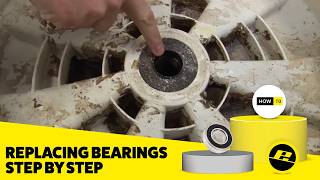
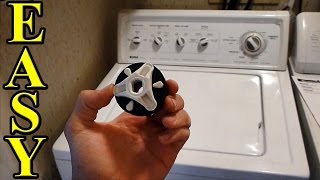
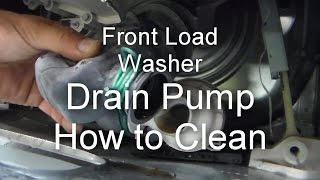
Real DIY Repair Stories
Be the first to share your repair story!
Share Your Repair Story
Your experience helps other homeowners fix their appliances. Tell us how it went!
Can't Fix It Yourself? Find a Local Technician
It's perfectly okay to call a professional. Some repairs require specialized tools, deep teardowns, or dealing with complex systems that are better left to the pros.

Find the Right Part for Your Appliance
Don't guess — search your exact appliance model number at ProsourceParts.com to find the correct OEM compatible replacement part. They offer fast free shipping, guaranteed fit, and thousands of parts in stock.
Your Free Parts Videos
Whether your dishwasher won't drain, your dryer stopped heating, or your fridge isn't cold, we've created simple repair guides for the most common appliance problems homeowners face. Each guide explains what's going wrong, the most likely causes, and which replacement parts fix the issue. When you're ready to order, we link directly to ProsourceParts.com where you can search by model number and get the right part shipped fast.