
Whirlpool WSF26C2EXB01 Refrigerator – Common Problems and How to Fix Them
Need the replacement part? Search your model number at for guaranteed fit and fast free shipping.
Understanding the Problem
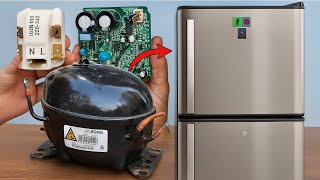
This guide covers the most common problems owners encounter with the Whirlpool WSF26C2EXB01 side-by-side refrigerator and gives practical diagnostic steps and repairs you can do yourself. The usual failure points are cooling faults (warm fridge or freezer), excessive frost/ice buildup, noisy operation, and water/ice dispenser or ice maker failures. 1) Basic checks (do these first) 1.1. Confirm power — ensure the fridge is plugged in and the outlet has 120 VAC. Check the circuit breaker. 1.2. Check temperature settings — refrigerator 37°F (3°C) and freezer 0°F (-18°C) are typical targets. Ensure controls haven't been bumped. 1.3. Inspect door seals — close a dollar bill in the door; it should grip. Replace gasket if loose or torn. 1.4. Clean condenser coils — pull fridge away and vacuum the coils and bottom vent area. Dirty coils reduce cooling performance. 2) If the fridge/freezer is warm (not cooling enough) 2.1. Listen for the compressor at the back. Does it run, hum, or click on/off? If it clicks and won’t run, suspect the start relay or compressor fault. 2.2. Check condenser fan (near compressor). With power on, that fan should spin when the compressor runs. If not, test for 120V at the fan or remove and bench-test the motor. 2.3. Check evaporator fan (inside freezer). With the door open and door switch activated, the evaporator fan should run when compressor is on. If freezer is warm and fan is dead, replace the evaporator fan motor. 2.4. Inspect the evaporator for frost pattern. If the evaporator is heavily frosted/iced, the defrost system may have failed (defrost heater, defrost thermostat/bi-metal, or defrost control) and needs testing. 2.5. If coils and fans are OK but compressor runs hot or won’t start, test the start relay/overload: remove the relay from the compressor and shake it — a failed relay may rattle or be hot and burnt. Replace relay if suspect. 3) If freezer works but refrigerator is warm (air distribution problem) 3.1. Check the damper (air duct/damper control) between freezer and fridge — if stuck or the damper motor is dead, warm air won’t circulate. Manually open/close the damper and test operation. 3.2. Verify evaporator fan runs — the fan pushes cold air forward. If fan runs but fridge stays warm, check damper and air baffles for blockages. 4) If there’s excessive frost/ice build-up on the evaporator or in the freezer 4.1. Defrost manually: unplug the fridge and allow ice to melt. Note how rapidly frost returns — immediate heavy frost indicates a failed defrost system or a door seal problem. 4.2. Test defrost heater for continuity (remove back panel in freezer). Test defrost thermostat/thermistor for continuity at low temps. If either open, replace the defective component. 4.3. Inspect the defrost control or main control board for proper defrost cycling. Some models use an adaptive defrost on the main control — boards can fail to call defrost. 5) Water dispenser / ice maker problems 5.1. No water from dispenser: check water supply valve at wall, water inlet valve at fridge, and inline water filter. Replace clogged or faulty filter and test the inlet valve for continuity and water flow. 5.2. Ice maker not making ice: verify the ice maker is turned on, check water fill (watch for the fill cycle), and ensure the ice mold is cold. Replace the ice maker module if it doesn’t cycle. 6) Noisy fridge (rattles, clicking, humming) 6.1. Identify fan noise vs. compressor noise. Fans make high-pitched or fluttering noises; compressor makes buzzing/humming. Secure loose panels and screws, clean fans, and replace faulty fan motors. 6.2. If compressor hums loudly and never runs properly, the start relay or capacitor (if present) may be failing; replace relay first. 7) Step-by-step replacement examples (evaporator fan, condenser fan, start relay) 7.1. Evaporator fan motor replacement (inside freezer): - Unplug refrigerator. - Remove items and freezer shelving; remove back freezer panel to access evaporator fan. - Disconnect fan motor plug and remove mounting screws. Note fan blade orientation. - Install new motor, secure mounting screws, reconnect wiring and reassemble panels. - Plug in fridge and verify fan runs and cooling returns. 7.2. Condenser fan motor (back bottom): - Unplug fridge and pull it away from wall. - Remove back access panel to reach condenser fan and motor. - Disconnect wiring and mounting hardware; remove old motor and replace with the correct mounting orientation. - Reinstall panel and test; replace the relay if compressor still fails to start. 7.3. Start relay/overload on compressor: - Unplug refrigerator and access compressor (back lower panel). - Remove the relay from the compressor pins (note position). Test with multimeter for continuity if possible. - Install exact replacement relay/overload assembly. If compressor still won’t run (and motor windings have continuity), call a certified tech for sealed system problems. Safety note: Always disconnect mains power before accessing internal parts. Work carefully around refrigeration lines and refrigerant: sealed-system repairs (compressor replacement, refrigerant recovery) require certified HVAC/refrigeration technicians. Use insulated tools and a multimeter for electrical tests. If you’re unsure or the compressor/sealed system is the issue, hire a pro.
Common Symptoms
Fridge or freezer not cooling, excessive frost buildup, loud humming or rattling, water dispenser or ice maker not working, uneven temperatures between compartments.
Common Causes
- Failed evaporator or condenser fan motor
- Defrost system failure (heater, thermostat, or control)
- Dirty condenser coils or faulty start relay/compressor
Popular Parts That Fix This Problem
These are the most common replacement parts that fix this problem. When you're ready to order, click below to find the right part at ProsourceParts.com — just search by your appliance model number for a guaranteed fit.

Helpful Repair Tip
If the freezer is cold but the fridge is warm, listen for the evaporator fan with the freezer door open — if the fan is silent while the compressor runs, replace the evaporator fan motor first.
Frequently Asked Questions
How can I tell if the compressor or the start relay is bad?
If the compressor clicks repeatedly and never runs, the start relay/overload is a common cause — test or replace the relay first. If the relay is replaced and the compressor still won’t run (and compressor windings show continuity), the compressor may be failing. A humming compressor that gets hot and never starts properly can indicate a bad start device or failing compressor; sealed-system compressor replacement requires a certified refrigeration technician.
Can I replace the door gasket on my own and how do I know if it’s the problem?
Yes, door gaskets are a common DIY replacement. Use the dollar-bill test: close a bill in various spots around the door — it should hold firmly. If not, remove the old gasket (usually held by a retainer or screws), heat the new gasket slightly to make it pliable, press it into the retainer channel, and align corners. Tighten screws or re-seat the retainer. Ensure the gasket is fully seated and the door closes evenly.
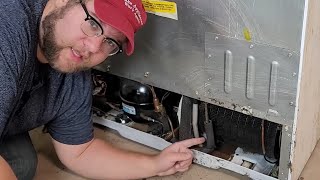
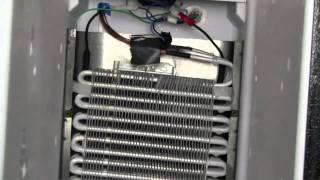
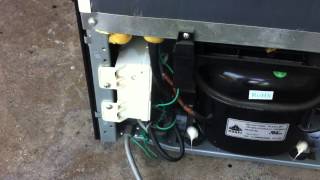
Related How-To Videos
Real DIY Repair Stories
Be the first to share your repair story!
Share Your Repair Story
Your experience helps other homeowners fix their appliances. Tell us how it went!
Can't Fix It Yourself? Find a Local Technician
It's perfectly okay to call a professional. Some repairs require specialized tools, deep teardowns, or dealing with complex systems that are better left to the pros.

Find the Right Part for Your Appliance
Don't guess — search your exact appliance model number at ProsourceParts.com to find the correct OEM compatible replacement part. They offer fast free shipping, guaranteed fit, and thousands of parts in stock.
Your Free Parts Videos
Whether your dishwasher won't drain, your dryer stopped heating, or your fridge isn't cold, we've created simple repair guides for the most common appliance problems homeowners face. Each guide explains what's going wrong, the most likely causes, and which replacement parts fix the issue. When you're ready to order, we link directly to ProsourceParts.com where you can search by model number and get the right part shipped fast.