
Whirlpool WRX735SDBM04 Refrigerator — Common Problems & How to Diagnose & Fix Them
Need the replacement part? Search your model number at for guaranteed fit and fast free shipping.
Understanding the Problem
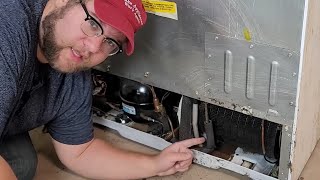
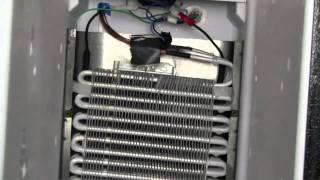
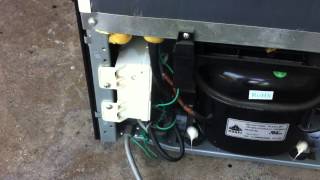
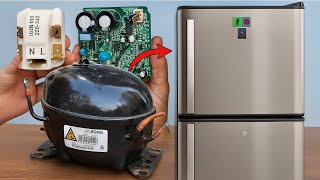
The WRX735SDBM04 is a Whirlpool French-door refrigerator commonly seen with a handful of recurring issues: not cooling properly (warm fridge or warm freezer), water dispenser not working or leaking, the ice maker not producing ice, and unusual noises. Below are targeted diagnostics and step-by-step repair actions for each common symptom. Follow each section in order — start with easy checks (power, temps, coils, visible leaks) and progress to component tests. Safety note: always unplug the refrigerator and shut off the water supply before doing electrical or water-line work. 1) Refrigerator or Freezer Not Cooling (or intermittent cooling) 1. Verify basic settings: confirm temperature controls (Fridge 37–40°F / Freezer 0–5°F). Check for recent power outages or control lockouts. 2. Check airflow & obstructions: remove food that blocks return vents; ensure drawers and shelves are installed correctly. Frosted-over evaporator or blocked vents reduce cooling. 3. Clean condenser coils: unplug fridge, pull unit out, vacuum or brush dust/dog hair from the condenser coil area under/behind the unit. Clogged coils overwork the compressor. 4. Listen and feel: with doors closed, does the compressor hum or cycle? Are condenser and evaporator fans running? Warm compressor + not running fans = cooling problem. 5. Test evaporator fan (freezer evaporator fan): open freezer door, press door switch to force fan on; if fan doesn’t spin, remove evaporator cover and check fan for obstruction and continuity with a multimeter. Replace fan motor if it won’t spin or has no continuity. 6. Test condenser fan: with fridge unplugged, try to spin the condenser fan by hand — it should spin freely. If seized or has no continuity, replace it. 7. Check start relay/overload on compressor: if compressor is trying to start (clicking) but won’t run, test start relay for continuity or smell of burning. Replace start relay/overload if failed. 8. Check defrost system: if the evaporator is iced over, manual defrost (24–48 hours with doors open) will confirm. If the evaporator keeps icing, test the defrost heater, defrost thermostat/bi-metal, and main control board's defrost timer/function. Replace the failed component. 9. Temperature sensors (thermistors): locate thermistors (usually in fridge and freezer compartments). Test resistance at room temp and compare to spec (many Whirlpool thermistors are ~10 kΩ at 25°C but check service data). Replace if out of spec. 10. Sealed system / compressor failure: if compressor never runs or you have very low suction pressure and oil at the service port, the sealed system may be leaking. This requires a certified refrigeration tech — contact a professional. 2) Water Dispenser Not Working / Slow Flow / No Water 1. Confirm water supply: make sure the house shutoff for the fridge is open. Check line for kinks. 2. Replace the water filter: a clogged filter causes slow/no flow — replace with EveryDrop EDR1RXD1 or OEM filter for this model. After replacing, purge air by dispensing water for several minutes. 3. Test water inlet valve: if supply and filter OK but no water, test the water inlet valve solenoid for continuity. If valve doesn’t open under 120VAC when dispensing (requires a helper to actuate dispenser while you measure), replace the valve. 4. Check dispenser actuator and control board: if valve gets power but does not open, there may be a wiring problem or a board issue. Inspect harness and connectors; replace main control board if necessary. 5. Freezing in the line: in some installations the line inside fridge can freeze — inspect door bin area and drain areas; a blocked drain or low temps in the door can freeze the dispenser tube. 3) Ice Maker Not Making Ice 1. Confirm ice maker is turned on and check the bin for jammed cubes. 2. Check water supply and filter: same as dispenser steps — clogged filter or closed supply will prevent ice making. 3. Test ice maker fill valve: listen for the valve during a harvest cycle (you’ll sometimes hear it open). If the valve doesn’t energize or has no continuity, replace the valve. 4. Test ice maker module: some units use the ice maker assembly with a thermistor or bi-metal — check for continuity and for the motor to run through a harvest when signaled. Replace the ice maker assembly if it fails. 5. Check freezer temperature: if freezer is warmer than ~5°F (-15°C), ice production will be poor. Fix cooling problem first. 4) Leaks or Water Pooling Inside or Under the Fridge 1. Check the defrost drain: remove lower kick plate, inspect and remove ice clog at the drain trough. Use warm water or a turkey baster to clear drain to the drain pan. 2. Inspect water line and inlet valve: check for loose fittings or cracks at the back. Tighten or replace damaged lines. 3. Check water filter housing: ensure filter is seated and the O-ring/gasket is in good condition. 4. Drain pan and drain pan mounting: confirm drain pan is properly seated below compressor and not cracked. 5) Loud or Unusual Noises 1. Identify sound source: evaporator fan (squeal/rattle) — usually loudest when door opened or compressor/defrost cycles. Condenser fan (rattle/grind), compressor (humming or knocking), or ice maker (clicking/whirring). 2. Remove panels and listen closely with a stethoscope or wooden stick on the panel to amplify. Replace the noisy fan motor or fan blade if damaged; tighten loose components. How to Fix (General Practical Steps): - Tools needed: multimeter, nut drivers, socket set, putty knife/trim tool, turkey baster, vacuum, replacement parts, service manual wiring diagram if available. - Always unplug the refrigerator and shut off the water supply before performing repairs that involve electrical or water components. - Label connectors and take photos before disconnecting to ensure correct reassembly. - Replace inexpensive items first (filter, fans, relays) before costly sealed-system repairs. Safety note: Refrigerant work and sealed-system repairs must be done by a licensed HVAC/refrigeration technician. Unplug the appliance and shut off the water supply before starting DIY repairs. Use proper PPE and be cautious of sharp sheet-metal edges when removing panels.
Common Symptoms
Fridge or freezer too warm or cycling frequently; slow or no water from dispenser; ice maker not producing ice; water pooling or leaking; loud rattling or humming noises.
Common Causes
- Dirty condenser coils or blocked airflow reducing cooling efficiency
- Failed evaporator or condenser fan motors
- Clogged water filter, faulty water inlet valve, or closed supply line
- Defrost system failure causing evaporator icing
- Failed start relay/compressor or sealed-system leak (requires pro)
Popular Parts That Fix This Problem
These are the most common replacement parts that fix this problem. When you're ready to order, click below to find the right part at ProsourceParts.com — just search by your appliance model number for a guaranteed fit.

Helpful Repair Tip
Start with the basics: check and clean condenser coils, confirm water supply and replace the filter (EveryDrop EDR1RXD1). These two quick checks fix a large percentage of cooling and dispenser complaints.
Frequently Asked Questions
How do I reset the ice maker on a WRX735SDBM04?
Many Whirlpool ice makers reset by turning the ice maker arm from on to off and back, or by using the control panel's 'Ice Maker' button (if equipped). For a manual reset: unplug the refrigerator for 60 seconds and plug it back in, then ensure the ice maker is switched on. If ice production doesn't resume, verify water supply and test the ice maker assembly for continuity; replace the module if it won't cycle.
My refrigerator is warm after a power outage. How long before it should cool down?
After a power outage, a refrigerator can take 8–24 hours to return to normal temperature because the compressor and evaporator must re-stabilize. Keep doors closed to retain cold air, confirm condenser coils are clean, and check that the condenser and evaporator fans are running. If temperatures don't normalize after 24 hours, start the diagnostic steps above (fans, relay, thermistors, defrost).
Related How-To Videos
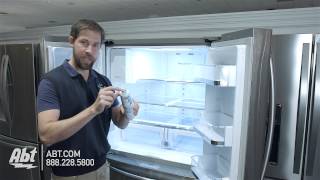
Real DIY Repair Stories
Be the first to share your repair story!
Share Your Repair Story
Your experience helps other homeowners fix their appliances. Tell us how it went!
Can't Fix It Yourself? Find a Local Technician
It's perfectly okay to call a professional. Some repairs require specialized tools, deep teardowns, or dealing with complex systems that are better left to the pros.

Find the Right Part for Your Appliance
Don't guess — search your exact appliance model number at ProsourceParts.com to find the correct OEM compatible replacement part. They offer fast free shipping, guaranteed fit, and thousands of parts in stock.
Your Free Parts Videos
Whether your dishwasher won't drain, your dryer stopped heating, or your fridge isn't cold, we've created simple repair guides for the most common appliance problems homeowners face. Each guide explains what's going wrong, the most likely causes, and which replacement parts fix the issue. When you're ready to order, we link directly to ProsourceParts.com where you can search by model number and get the right part shipped fast.