
Whirlpool WRX735SDBM04 Refrigerator — Common Problems and How to Fix Them
Need the replacement part? Search your model number at for guaranteed fit and fast free shipping.
Understanding the Problem
The Whirlpool WRX735SDBM04 is a French-door, bottom-freezer refrigerator that commonly exhibits a handful of recurring issues as it ages: refrigerator not cooling, freezer over- or under-cooling, ice maker or water dispenser failures, frost build-up in the freezer, and unusual noises. Below are practical, step-by-step diagnostics and repair actions you can take for each common symptom. Always unplug the refrigerator and shut off the water line before doing repairs. 1) Refrigerator or freezer not cooling properly - Check basic settings: verify the temperature controls (factory default: fridge ~37°F/3°C, freezer ~0°F/-18°C). - Inspect for airflow obstructions: move food away from vents and ensure nothing blocks the return vents in the refrigerator and freezer. - Clean condenser coils: unplug unit, remove kickplate, vacuum coils and fan area — dirty coils reduce cooling performance. - Confirm condenser fan and evaporator fan operation: with the unit plugged in and doors closed, listen for fans. If not sure, open doors and observe whether fans run when compressor is on. - Test evaporator for frost/ice build-up: remove freezer back panel (after unplugging) to inspect the evaporator. Severe frost indicates a defrost failure (bad defrost heater, timer/board, or defrost thermostat). - Electrical tests (requires multimeter): measure voltage at the evaporator fan and condenser fan while running; test continuity of defrost heater and defrost thermostat. If the compressor runs but no cooling, suspect sealed system (compressor, refrigerant) — call a licensed technician. - How to fix: clean coils; replace faulty fans; if defrost parts fail, replace defrost heater and/or thermostat and verify defrost control (board/timer). If sealed system (compressor/refrigerant) is the issue, contact a certified HVAC/refrigeration tech. 2) Ice maker not making ice or making small/odd-shaped cubes - Verify ice maker power and switch: some models have an on/off arm or electronic switch—ensure it’s on. - Check for water supply: confirm the water line is turned on and not kinked; test dispenser flow (if present). - Inspect the water inlet valve: a defective valve or low water pressure will cause no/fill problems. - Check for frozen water fill tube: melt any ice in the tube with warm (not boiling) water or a hair dryer on low, following safety precautions. - How to fix: replace a faulty water inlet valve or the ice maker module if it fails. For intermittent electrical issues, check the ice maker harness and connector for corrosion. 3) Water dispenser issues (no water, slow flow, leaking) - Confirm water supply to the valve and shutoff valve open. - Check/replace the water filter: a clogged filter will reduce flow. Replace every 6 months or when flow drops. - Test water inlet valve solenoid: if the valve doesn’t open when dispenser is activated, it needs replacement. - Repair step: replace filter first; if that doesn’t fix it, test the valve with a multimeter for continuity and replace if defective. Inspect dispenser actuator switches and harness. 4) Excessive frost/ice in freezer or fridge - Likely causes: failed defrost heater, defrost thermostat, or defrost control (board/timer); a leaky door gasket or frequently open door can also cause frost. - Diagnostic steps: manually initiate a defrost cycle if the board allows, or measure continuity of defrost heater and thermostat. Inspect door seals for gaps and clean them. - How to fix: replace defrost heater and/or thermostat; if gasket is torn or not sealing, replace gasket. 5) Noisy operation (rattling, humming, or buzzing) - Identify source: compressor, condenser fan, evaporator fan, or ice maker. Turn the fridge off briefly to see if noise stops and restart to isolate. - If noise increases with compressor run, check condenser fan motor and mountings. Replace worn fan bearings or fan motors. - If noise is from the ice maker during harvest, that’s often normal; excessive noise can indicate jammed ice or a failing ice maker motor. Safety note: Always disconnect power before removing panels or working on electrical components. If refrigerant/ sealed-system work is required (compressor, refrigerant leak), use a licensed refrigerant technician — handling refrigerant without certification is illegal in many jurisdictions and hazardous.
Common Symptoms
Fridge not cooling; freezer over- or under-cooling; ice maker stops making ice; water dispenser slow or no flow; excess frost in freezer; unusual noises from compressor or fans.
Common Causes
- Dirty condenser coils or blocked vents reducing heat transfer
- Failed evaporator fan motor, condenser fan motor, or ice maker components
- Defrost system failure (heater, thermostat, or control board) causing frost build-up
- Faulty water inlet valve, clogged water filter, or blocked water line
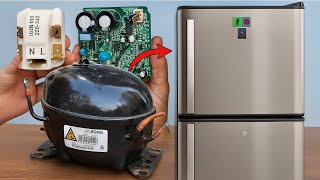
- Sealed-system failure (compressor/refrigerant) — requires certified tech
Popular Parts That Fix This Problem
These are the most common replacement parts that fix this problem. When you're ready to order, click below to find the right part at ProsourceParts.com — just search by your appliance model number for a guaranteed fit.

Helpful Repair Tip
To confirm a bad evaporator fan or condenser fan: with the fridge plugged in and running, open the appropriate panel (freezer for evaporator fan, bottom front for condenser fan) and observe if the fan spins. If the fan doesn’t run but has 120V (or appropriate supply) present, replace the fan motor.
Frequently Asked Questions
How do I know if the defrost heater is bad?
Remove power and access the freezer evaporator assembly. Disconnect the defrost heater and measure resistance with a multimeter — a typical heater will show low resistance (tens of ohms). Infinite/OL means the heater is open (bad). Also check the defrost thermostat for continuity when cold; if the thermostat or heater is open, the heater should be replaced. If both test good but frost still builds, suspect the control board or timer.
Can I replace the ice maker or water valve myself?
Yes — these are common DIY repairs if you are comfortable turning off the water and power and using basic tools. Turn off the water supply and unplug the refrigerator, remove interior panels to access the ice maker or rear access panel for the valve, disconnect the harness and water line, and swap in the new unit. For the water inlet valve, relieve water pressure and have a towel ready. For sealed-system or compressor issues, hire a licensed technician.
Related How-To Videos
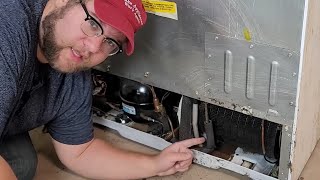
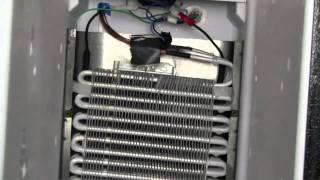
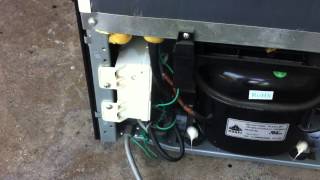
Real DIY Repair Stories
Be the first to share your repair story!
Share Your Repair Story
Your experience helps other homeowners fix their appliances. Tell us how it went!
Can't Fix It Yourself? Find a Local Technician
It's perfectly okay to call a professional. Some repairs require specialized tools, deep teardowns, or dealing with complex systems that are better left to the pros.

Find the Right Part for Your Appliance
Don't guess — search your exact appliance model number at ProsourceParts.com to find the correct OEM compatible replacement part. They offer fast free shipping, guaranteed fit, and thousands of parts in stock.
Your Free Parts Videos
Whether your dishwasher won't drain, your dryer stopped heating, or your fridge isn't cold, we've created simple repair guides for the most common appliance problems homeowners face. Each guide explains what's going wrong, the most likely causes, and which replacement parts fix the issue. When you're ready to order, we link directly to ProsourceParts.com where you can search by model number and get the right part shipped fast.