
Whirlpool WRF535SMBM00 Repair Guide — Troubleshooting Cooling, Ice & Water Problems
Need the replacement part? Search your model number at for guaranteed fit and fast free shipping.
Understanding the Problem
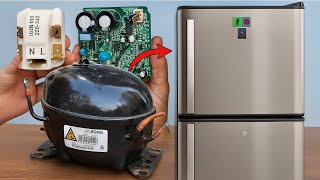
The Whirlpool WRF535SMBM00 is a French-door refrigerator commonly experiencing a few recurring faults: fridge not cooling while freezer is cold, ice maker or water dispenser problems, unusual noises, and frost buildup. Below are practical diagnostic and repair steps you can follow to find and fix the issue yourself. 1) Basic checks (applies to almost every symptom) - Verify power: confirm the unit is plugged in and the outlet is live. Check the circuit breaker. - Confirm temperature settings: refrigerator ~37°F (3°C), freezer ~0°F (-18°C). - Inspect door seals/gaskets: clean and press to ensure they seal fully. - Check airflow: ensure vents in fridge/freezer aren’t blocked by food. 2) If the fridge compartment is warm but the freezer is cold - Step 1: Listen for the evaporator fan (behind freezer rear panel). When compressor runs, the evaporator fan should run. If the freezer is cold and fridge warm, the damper or airflow to fresh-food section may be blocked. - Step 2: Remove freezer rear panel (unplug first). Visually inspect evaporator coil: heavy frost or ice indicates a defrost failure. If coil is frosted over, go to defrost system checks below. - Step 3: Check evaporator fan motor: with power on and doors closed, gently open freezer door and use a screwdriver to press the door switch – the fan should run. If not, test for 120 VAC (or OEM voltage) at fan harness with a multimeter; if powered but not spinning, replace fan motor. - Step 4: Check the damper control (air baffle between freezer and fridge). With the fridge running and door open, manually operate the damper (if reachable) to confirm it opens. 3) If freezer is warm or compressor not running - Step 1: Listen for compressor: it should hum/feel warm when running. If compressor is off, check start relay and overload on the compressor (relay often clicks or hums). A burnt or damaged relay commonly prevents the compressor from starting. - Step 2: Test start relay: unplug fridge, remove relay from compressor and test for continuity if you have a multimeter. Many failing relays are intermittent—replacement is cheap and commonly fixes no-start compressors. - Step 3: If relay replaced and compressor still won’t run, the compressor or main control board may be faulty — this often requires a trained technician. 4) Defrost system checks (evaporator coil covered in frost; freezer temps fluctuate) - Step 1: With power off, remove freezer rear panel and examine evaporator coil for even frost pattern. If coil is completely encased in ice, the defrost heater or defrost thermostat (or defrost control) likely failed. - Step 2: Test defrost heater for continuity with a multimeter. If open, replace heater assembly. - Step 3: Test defrost thermostat/thermistor for continuity at low temp. If open at cold temperatures, replace. - Step 4: If both heater and thermostat are good, the control board or defrost timer (if present) may not be initiating defrost—replace the control or call a technician. 5) Ice maker not producing ice - Step 1: Confirm water supply: push water dispenser — does water flow? If weak/no water, check water line, shutoff valve, and filter. - Step 2: Replace the water filter if it’s old or clogged (replace every 6 months). A clogged filter will stop the ice maker. - Step 3: Test the water inlet valve (at the back of the fridge). With the ice maker calling for water, the valve should energize. If it doesn’t open when energized, replace the inlet valve. - Step 4: Inspect the ice maker assembly: if motor doesn’t cycle, or harvest cycle won’t run, test for voltage at the ice maker harness during a cycle. Replace ice maker module if no cycling. 6) Water dispenser not working properly - Step 1: Try dispensing water with a cup and listen for the valve. If no sound, check filter, water supply and inlet valve. - Step 2: If water is intermittent or sputters, replace filter and check for air in lines after replacement. - Step 3: If the switch or actuator is unresponsive, check dispenser switch and harness continuity; replace switch or actuator if faulty. 7) Noises (buzzing, rattling, clicking) - Step 1: Clean condenser coils and check condenser fan motor at the base. Debris on coils or a failing condenser fan will cause loud run noises. - Step 2: If rattling upon compressor start, check mounting brackets and relay. If a hum but no cooling, suspect start relay or compressor. 8) Quick how-to for replacing common parts (general guidance) - Always unplug the appliance before starting. - To access evaporator fan or defrost heater: pull freezer drawers, remove rear freezer panel. Note screw & bracket locations and take photos for reassembly. - To replace condenser fan or compressor relay: unplug fridge, pull fridge forward, remove rear lower access panel to reach components. Label connectors before disconnecting. - When replacing any electrical component, test continuity with a multimeter first to confirm failure. Safety note: Always unplug the refrigerator or shut power at the breaker before opening access panels or testing electrical parts. Refrigerant work (compressor, sealed system) should only be performed by a licensed technician.
Common Symptoms
Refrigerator warm while freezer cold, freezer full of frost, ice maker not making ice, water dispenser not dispensing, loud humming or rattling noises.
Common Causes
- Clogged condenser coils or failed condenser fan (poor heat rejection)
- Failed evaporator fan motor or blocked airflow to fridge section
- Defrost system failure (heater, thermostat, or control) causing coil ice buildup
- Faulty start relay/overload or compressor issues
- Clogged water filter or failed water inlet valve affecting ice/water functions
- Faulty electronic control board or temperature sensors (thermistors)
Popular Parts That Fix This Problem
These are the most common replacement parts that fix this problem. When you're ready to order, click below to find the right part at ProsourceParts.com — just search by your appliance model number for a guaranteed fit.

Helpful Repair Tip
To confirm a cooling-related fault, open the freezer and listen for the evaporator fan when the compressor runs; if the compressor runs but the fan doesn’t, replace the evaporator fan motor first — it’s cheap and a common fix.
Frequently Asked Questions
How can I tell if the compressor is bad or just the start relay?
First check the start relay: with power off, remove and inspect the relay for burn marks and test for continuity. A clicking sound at start often indicates relay failure. If the relay is replaced and the compressor still doesn’t run (no humming or heat on the compressor) the compressor may be faulty. Also check the run capacitor/overload if present. Because compressor replacement is costly and involves refrigerant handling, have a licensed tech confirm the diagnosis before replacing the compressor.
Why is there ice or frost building up on the evaporator coil or inside the freezer?
Widespread frost on the evaporator indicates a defrost system failure (defrost heater, thermostat, or control not operating). It can also be caused by a warm door seal allowing moist air in, or by frequently propping doors open. Inspect the door gasket, check for blocked vents, and test the defrost heater and thermostat for continuity. Replace any failed component; if all defrost parts are good, the control board may need replacement.
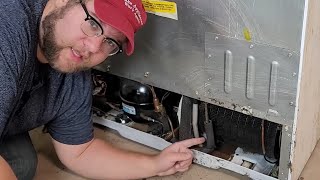
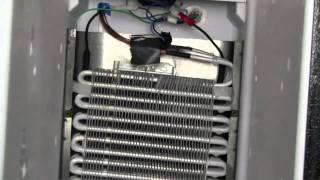
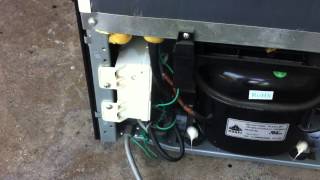
Related How-To Videos
Real DIY Repair Stories
Be the first to share your repair story!
Share Your Repair Story
Your experience helps other homeowners fix their appliances. Tell us how it went!
Can't Fix It Yourself? Find a Local Technician
It's perfectly okay to call a professional. Some repairs require specialized tools, deep teardowns, or dealing with complex systems that are better left to the pros.

Find the Right Part for Your Appliance
Don't guess — search your exact appliance model number at ProsourceParts.com to find the correct OEM compatible replacement part. They offer fast free shipping, guaranteed fit, and thousands of parts in stock.
Your Free Parts Videos
Whether your dishwasher won't drain, your dryer stopped heating, or your fridge isn't cold, we've created simple repair guides for the most common appliance problems homeowners face. Each guide explains what's going wrong, the most likely causes, and which replacement parts fix the issue. When you're ready to order, we link directly to ProsourceParts.com where you can search by model number and get the right part shipped fast.