
Whirlpool WRB329DMBM01 — Common Problems, Diagnostics & How to Fix Them
Need the replacement part? Search your model number at for guaranteed fit and fast free shipping.
Understanding the Problem
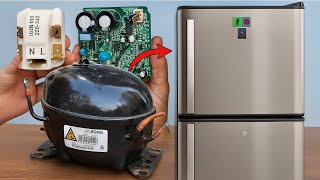
The WRB329DMBM01 is a Whirlpool bottom-freezer / top-refrigerator model that commonly shows a handful of repeat issues as it ages: poor cooling in fridge or freezer, frost build-up in the freezer, water leaks, noisy fans/compressor, and ice maker problems. Below are focused diagnostics and step-by-step repairs for the most frequent failures. 1) Refrigerator Not Cooling (fridge too warm or freezer warm) — diagnostics and repair steps: 1.1 Check basic settings: verify temp controls are set to recommended (fridge 37°F / 3°C, freezer 0°F / -18°C). 1.2 Check airflow: make sure vents inside refrigerator and freezer are not blocked by food; remove obstruction. 1.3 Clean condenser coils: unplug unit, remove grill and clean dust/debris from coils and condenser fan with brush/vacuum. 1.4 Verify condenser fan operation: with fridge unplugged then plugged back in, observe condenser fan at the back running. If fan doesn't run, test for continuity with a multimeter and replace the condenser fan motor if faulty. 1.5 Verify evaporator fan in freezer: open freezer, start fridge, listen for evaporator fan running when compressor is on. If not running, check for frost block, test motor for continuity and replace evaporator fan motor if defective. 1.6 Check start relay/overload on compressor: if compressor tries to start and clicks or is hot but won't run, remove relay and test with a multimeter or swap with known-good part; replace relay/overload kit if bad. 1.7 Check for frost/frozen evaporator: remove rear freezer panel to inspect evaporator coils for heavy frost. If heavily frosted, suspect failed defrost system (defrost heater, defrost thermostat, or control). Test defrost heater and thermostat for continuity and replace any failed component, and check defrost control or main board. 1.8 Thermistor/temperature sensor: test fridge and freezer thermistors for expected resistance at room temp — replace if out of spec. 1.9 If compressor runs but temps don’t change and you suspect a sealed-system issue (low refrigerant or leak), call a certified refrigeration tech — sealed-system work requires EPA-certified service. 2) Water Leaks (under fridge or puddle on floor) — diagnostics and repair steps: 2.1 Confirm source: check water dispenser, water filter housing, water line connection behind unit, and ice maker fill tube. 2.2 Inspect water filter & housing: remove filter and run fridge to see if leak stops; replace filter housing O-rings or the cartridge if damaged. 2.3 Check inlet valve: inspect water inlet valve at rear for drips; tighten fittings or replace valve if leaking. 2.4 Defrost drain blockage: if leaking inside onto floor, evaporator drain might be clogged causing overflow — empty freezer, remove rear panel, clear drain with warm water or thin flexible tube, then reassemble. 2.5 Ice maker connections: inspect supply tube to ice maker for cracks or loose fittings; replace tube or tighten connection. 3) Ice Maker Not Making Ice — diagnostics and repair steps: 3.1 Verify ice maker power and switch: make sure ice maker is turned on and has power; cycle power to reset. 3.2 Check water fill: manually run a harvest or test cycle (refer to service manual) and observe fill valve operation. If valve doesn't open, check inlet valve for power during fill — replace inlet valve if it doesn't activate. 3.3 Check temperature: freezer must be cold enough (~0°F) for ice production — if freezer is warm, follow cooling diagnostics above. 3.4 Replace ice maker assembly: if ice maker doesn't advance or clutch is bad, replace the ice maker unit. 4) Noisy Operation (fan/relay/compressor noise) — diagnostics and repair steps: 4.1 Identify noise source: listen to determine whether sound is from the evaporator fan (inside freezer), condenser fan (rear lower), compressor (back), or ice maker. 4.2 Fan noises: inspect fan blades for damage, clear debris, replace fan motor if noisy or wobbling. 4.3 Relay/overload clicking: a failing relay will make repeated click attempts to start compressor — replace relay/overload. 4.4 Compressor noise: buzzing or knocking that changes with compressor operation may indicate compressor failure — sealed-system issue; call a technician. 5) Light, Door Seal, and Control Issues — quick diagnostics and fixes: 5.1 Door gasket: inspect for tears or gaps; clean and, if necessary, replace the gasket to maintain proper seal. 5.2 Interior light: if light is out, test/replace bulb or door switch. 5.3 Control board or display errors: unplug for 5 minutes to reset; if error codes persist, consult the service manual and replace the main control board if faults point there. Safety note: Always unplug the refrigerator and shut off the water supply before doing any repair. Use proper tools and personal protective equipment. For sealed-system repairs (compressor, refrigerant leaks, brazing), hire an EPA/industry-certified refrigeration technician — do not attempt refrigerant handling if you are not licensed.
Common Symptoms
Fridge warm or freezer warm, heavy frost buildup in freezer, water leaking under unit, no ice production, unusual noises from back or inside, interior lights or controls not responding.
Common Causes
- Dirty condenser coils or failed condenser fan reducing cooling efficiency
- Failed evaporator fan or defrost system causing frost buildup and airflow block
- Leaking water inlet valve, clogged defrost drain, or cracked water line
- Faulty ice maker assembly or inlet valve preventing ice production
- Worn door gasket or failing control board/thermistor misreading temps
Popular Parts That Fix This Problem
These are the most common replacement parts that fix this problem. When you're ready to order, click below to find the right part at ProsourceParts.com — just search by your appliance model number for a guaranteed fit.

Helpful Repair Tip
Start by cleaning the condenser coils and verifying both condenser and evaporator fans run — that fixes many 'not cooling' complaints and helps isolate whether it's airflow, defrost, or sealed-system related.
Frequently Asked Questions
My WRB329DMBM01 freezer has heavy frost buildup — what should I check first?
Heavy frost usually means the defrost system failed or the door gasket is leaking. First, check the door seal for gaps or damage and replace if needed. If the seal is good, unplug the fridge, remove the freezer back panel and inspect for continuous frost covering the evaporator coils — if present, test the defrost heater and defrost thermostat for continuity and replace any failed components. Also check the defrost control or main board that runs the defrost cycle.
The refrigerator is not cooling after a power outage — how can I reset or diagnose it?
First, confirm the power is restored and the unit is plugged in and the temperature controls are set correctly. Unplug the fridge for 5 minutes then plug it back in to reset the control board. Check that the condenser and evaporator fans run and that the compressor starts (you may hear it start or feel vibration). If fans run but temperatures remain high, clean the condenser coils and verify airflow. If the compressor won’t stay on or only clicks, test/replace the start relay/overload kit. If the compressor runs but there's no cooling, you may have a sealed-system issue — contact a certified refrigeration technician.
Related How-To Videos
Real DIY Repair Stories
Be the first to share your repair story!
Share Your Repair Story
Your experience helps other homeowners fix their appliances. Tell us how it went!
Can't Fix It Yourself? Find a Local Technician
It's perfectly okay to call a professional. Some repairs require specialized tools, deep teardowns, or dealing with complex systems that are better left to the pros.

Find the Right Part for Your Appliance
Don't guess — search your exact appliance model number at ProsourceParts.com to find the correct OEM compatible replacement part. They offer fast free shipping, guaranteed fit, and thousands of parts in stock.
Your Free Parts Videos
Whether your dishwasher won't drain, your dryer stopped heating, or your fridge isn't cold, we've created simple repair guides for the most common appliance problems homeowners face. Each guide explains what's going wrong, the most likely causes, and which replacement parts fix the issue. When you're ready to order, we link directly to ProsourceParts.com where you can search by model number and get the right part shipped fast.