
Whirlpool WM2501HWA — Common Problems & How to Diagnose and Fix Them
Need the replacement part? Search your model number at for guaranteed fit and fast free shipping.
Understanding the Problem
Brief overview: The Whirlpool WM2501HWA is a front-load washing machine. Owners typically report a handful of recurring issues: washer won’t start or complete cycles, won’t fill or drain, excessive vibration or noise, leaks, and failure to spin. The steps below walk through practical diagnostics and repairs from easiest checks to more advanced component testing. Step-by-step diagnostics and repair steps: 1) Safety first - Unplug the washer and shut off water supply before any inspection or repair. For tests that require power (motor/pump tests), plug in only when you will safely access electrical components and keep all panels and guards in place. 2) Quick checks (30 seconds–10 minutes) - Confirm the washer has power (wall outlet, GFCI, circuit breaker). Try another nearby appliance. Reset the breaker if needed. - Make sure the door is fully closed and latched. Front-loaders won’t start with door open. - Verify water supply valves are fully open and hoses aren’t kinked. - Inspect the drain hose for clogs or improper installation (e.g., pushed too far into standpipe causing siphoning). 3) Washer won’t start or won’t advance cycles - Check the door lock/door strike: front-drive washers use a door lock assembly. If the door latch fails the control won’t start the motor. Visually inspect for broken latch; test for continuity with a multimeter (unplug first). If no continuity on lock when door closed, replace the door lock assembly. - Check control panel and child lock settings: try unlocking the control lock and doing a reset (unplug 1 minute, plug back in). - Confirm incoming power to machine and to main control board (use meter if comfortable). If control board shows visible burn marks or swollen capacitors, it may need replacement. 4) Washer fills slowly or not at all - Inspect inlet hoses and strainers/screens at the valve inlets for debris. Turn off water, remove hoses, check screens. - Test the water inlet valve (electrically): unplug washer, access valve, test solenoids for continuity with a multimeter. No continuity = replace inlet valve. Also check for adequate water pressure to the house. 5) Washer won’t drain or spin - Check for clogged pump or drain hose: remove the lower front access panel (or back panel depending on model), inspect the pump filter/trap and pump for foreign objects (coins, buttons, lint). Clear obstructions. - Test the drain pump motor for continuity. If pump runs but doesn’t move water, likely failed or impeller broken. Replace pump if noisy, not running, or blocked. - If pump runs and drain is clear but basket won’t spin, check drive system: many front-loaders use a direct-drive motor with a belt or coupling. Check motor and motor control (inverter board) and the belt (if present) for damage. 6) Excessive vibration, loud noises, or rocking - Level the washer: use a carpenter’s level on the top and adjust all four legs until machine is stable. Lock the leg nuts. - Inspect suspension/shock absorbers (front-loaders use dampers) and springs: push down on the drum — if it slams or falls back freely, shocks are worn and should be replaced in sets. - Check drum bearings: a rumbling/grinding noise when spinning and wobble of the tub can indicate failed bearings. Also check the rear tub seal for leaks. Replacing bearings and seal is a labor-intensive job often done with a bearing kit. 7) Leaks - Inspect the door boot (rubber gasket) for tears, holes, or soap buildup that prevents proper sealing. Replace the boot if torn. - Check hose connections (inlet hoses, drain hose, internal hose clamps) for tightness and cracks. Replace hoses if brittle. - If leak appears from the bottom: check for cracks in the outer tub, failed tub seal, or a leaking drain pump. Inspect with the washer partially filled (and unplugged) to find the source. 8) Advanced electrical diagnostics - If cycles stop or you get electronic faults, put the washer into diagnostic/service mode (refer to the official service manual for exact button sequence for your model). Run automatic tests for motor, heater (if included), valves, and sensors. - Use a multimeter to check continuity/resistance on motor windings, heater (if present), thermistor/NTC sensors, and door lock. Also check wiring harness for chafed wires and burnt connectors. 9) Replacing common parts — general approach - Order the correct OEM part for WM2501HWA (verify with model and serial). Gather basic tools: screwdrivers, nut drivers, socket set, pliers, multimeter, and work gloves. - Follow the reverse procedure when reassembling. Verify repair by running a short test cycle and checking for leaks, noise, and correct operation. 10) When to call a pro - If the fault involves sealed motor components, the main control/inverter board requiring complex soldering or microprocessor-level diagnostics, or bearing replacement beyond your comfort level, call a qualified appliance technician. Safety note: Always disconnect power and water before servicing. When tests require power, keep hands and tools clear of moving parts and exposed wiring. If uncertain about electric testing or internal repairs, hire a professional.
Common Symptoms
Won't start, won't fill, won't drain, won't spin, loud rumbling/noise, excessive vibration, visible water leak from door or bottom.
Common Causes
- Failed door lock/strike preventing the washer from starting
- Clogged or failed drain pump or blocked drain hose
- Worn suspension/shock absorbers, damaged bearings, or unlevel feet causing noise and vibration
Popular Parts That Fix This Problem
These are the most common replacement parts that fix this problem. When you're ready to order, click below to find the right part at ProsourceParts.com — just search by your appliance model number for a guaranteed fit.

Helpful Repair Tip
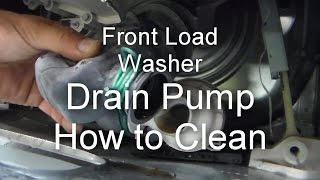
To confirm a failing drain pump: run a drain/spin cycle and listen. If you hear the pump hum but no water moves, remove and inspect the pump for jammed debris or a broken impeller. Test the pump for continuity with a multimeter; lack of continuity or a seized impeller indicates pump replacement.
Frequently Asked Questions
My WM2501HWA is vibrating a lot — can I fix it myself?
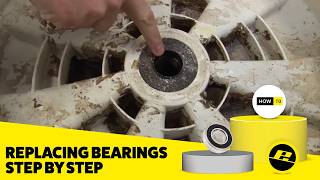
Start with the simple checks: make sure the washer is level, all four feet are solidly on the floor, and the load is balanced. If vibration persists, inspect and replace worn shock absorbers/dampers or suspension springs. If you hear rumbling or feel lateral drum movement, the drum bearings may be failing and will usually require a bearing/seal replacement kit or professional service.
The washer won't drain — is it the drain pump or something else?
Often it’s a clogged drain hose or a foreign object stuck in the pump filter. First check and clear the drain hose and pump filter/trap (turn off power and water first). If the pump hums but doesn't move water or has no continuity on a multimeter, the pump motor is likely bad and should be replaced. Also confirm the drain line is not blocked downstream (house plumbing).
Related How-To Videos
Real DIY Repair Stories
Be the first to share your repair story!
Share Your Repair Story
Your experience helps other homeowners fix their appliances. Tell us how it went!
Can't Fix It Yourself? Find a Local Technician
It's perfectly okay to call a professional. Some repairs require specialized tools, deep teardowns, or dealing with complex systems that are better left to the pros.

Find the Right Part for Your Appliance
Don't guess — search your exact appliance model number at ProsourceParts.com to find the correct OEM compatible replacement part. They offer fast free shipping, guaranteed fit, and thousands of parts in stock.
Your Free Parts Videos
Whether your dishwasher won't drain, your dryer stopped heating, or your fridge isn't cold, we've created simple repair guides for the most common appliance problems homeowners face. Each guide explains what's going wrong, the most likely causes, and which replacement parts fix the issue. When you're ready to order, we link directly to ProsourceParts.com where you can search by model number and get the right part shipped fast.