
Whirlpool WM2496HSM — Troubleshooting & Repair Guide
Need the replacement part? Search your model number at for guaranteed fit and fast free shipping.
Understanding the Problem
If you own a Whirlpool WM2496HSM washer and are seeing issues such as no power, no spin, not draining, loud noises, leaks, or strange vibrations, the problems are usually caused by a handful of common parts or simple installation issues. Below are practical, prioritized diagnostic steps and repair instructions you can follow yourself. 1) Safety first - Unplug the washer and turn off the water supply before any inspection or repair. Wear gloves and safety glasses. If you must work with the unit energized (to test), be very careful and keep hands clear of moving parts. 2) Quick checks (5–10 minutes) 1. Confirm power: check the wall outlet with another device and inspect the home's breaker/fuse. Reset the breaker. 2. Error codes: if the washer displays codes, note them — they point to specific subsystems (drain, lid/door lock, water inlet, motor). Consult the machine's tech sheet if available. 3. Hoses and installation: verify the drain hose is not kinked and the washer is level. Ensure water inlet hoses are tight and not leaking. 3) No power / won't start 1. Check outlet and breaker. Try another appliance on same outlet. 2. Inspect power cord for damage. Replace if frayed. 3. Test door/lid lock: front-load models won't start if lock/latch is faulty. Remove the front access panel (or console, depending on model), locate the door lock assembly, and test for continuity with a multimeter during a cycle (refer to wiring diagram). Replace the door lock if open/no continuity. 4. If the control panel lights but won't engage the motor, check the control board for burned components or swollen capacitors. Control-board failures are common if other components are okay. 4) Washer won't drain or spin 1. Remove and inspect the drain hose and household drain for clogs. 2. Many models have a coin trap or pump filter — locate and clean it (usually behind a small lower front access panel). Remove debris and test for free-spinning pump impeller. 3. Test the drain pump: unplug the machine, disconnect the pump wiring, test for continuity across pump terminals. If the pump hums but doesn't move water, it may be jammed or failed. Replace the pump if it shows no continuity or is mechanically seized. 4. Check the lid/door switch or lock — if the machine thinks door is open it will not spin. 5) Loud noises / thumping / grinding 1. Run a spin cycle and listen. If the noise happens only during spin, suspect drum bearings, drive components, or a foreign object in the tub (coin, sock, bra underwire). 2. Access the tub: try to rotate the drum by hand. Roughness, scraping, or rumbling indicates worn bearings or a damaged tub seal. Bearing replacement is an advanced repair (involves disassembling the outer tub) — consider a pro unless you have tools/experience. 3. If noise is a squeal or high-pitched during spin, check the belt (if present) and motor coupling. Replace worn belt or coupling as needed. 6) Leaks 1. Visually inspect the door boot (front-load) or tub gasket for tears and the door glass/seal for foreign objects. Replace the bellows/boot if torn. 2. Check hose clamps on pump and drain hoses. Tighten or replace clamps and damaged hoses. 3. Inspect the detergent drawer and inlet hoses for overflow or blocked dispenser causing leaks. 7) Excessive vibration or shaking 1. Ensure the washer is level — adjust the four leveling legs. Check with a bubble level while the machine is empty and spinning. 2. Verify shipping bolts were removed if unit was newly installed. 3. Check shock absorbers (front-load top-supported tubs use dampers; top-load machines use suspension rods or springs). Replace worn shocks or suspension parts. 8) Persistent odors or mildew 1. Run a hot cycle with washing-machine cleaner or two cups of white vinegar and baking soda. Leave the door open between uses to dry the gasket. 2. Clean the detergent drawer and rubber door gasket thoroughly. 9) Advanced diagnostics and replacement steps (examples) - Replacing a drain pump: unplug washer, turn off water, remove lower access panel, drain residual water into a bucket, disconnect pump hoses and wiring, remove pump mounting screws/clips, install new pump, reconnect hoses and wiring, test. - Replacing door latch/lock: unplug washer, open door, remove screws securing latch assembly (access may be through front panel or by removing the door boot), disconnect wiring harness, install new latch, test door lock cycle. - Replacing bearings/tub seal: this is an involved job — remove top, control console, front panel, door boot, and outer tub; separate inner tub; press out bearings, install new bearings and seal assembly, reassemble. If you are not experienced with bearing presses, consider a professional. Safety note: always disconnect power and water before servicing. If you are not confident with high-voltage or sealed-bearing work, call a qualified appliance technician. Improper repairs can cause electrical shock, flooding, or further damage.
Common Symptoms
Washer won't start, won't drain, won't spin, loud banging during spin, leaking around door, mildew smell, excessive vibration.
Common Causes
- Faulty door lock/latch preventing the washer from starting or spinning
- Clogged drain hose or failed drain pump
- Worn drum bearings or damaged tub seal causing loud noises and leaks
- Bad control board or user interface preventing cycle start or proper operation
- Worn suspension/shock absorbers or improperly leveled unit causing excessive vibration
Popular Parts That Fix This Problem
These are the most common replacement parts that fix this problem. When you're ready to order, click below to find the right part at ProsourceParts.com — just search by your appliance model number for a guaranteed fit.

Helpful Repair Tip
To confirm a bad drain pump: run a drain/spin cycle and listen—if you hear a humming motor but no water moving, remove the lower access panel and check the pump impeller for debris; test pump continuity with a multimeter. No continuity or seized impeller = replace pump.
Frequently Asked Questions
How do I read error codes on my WM2496HSM?
If your washer displays an error code, write it down exactly. Many Whirlpool models use a combinations of flashing LEDs or alphanumeric codes. Consult the WM2496HSM tech sheet or user manual to translate codes — common codes indicate drain blockages (Error: F7/E3), door lock faults (F5/E1), or motor control issues. If you don't have the manual, enter diagnostic mode (refer to model specific procedure) to retrieve stored fault codes before attempting repairs.
Is it worth replacing bearings on an older washer, or should I buy a new machine?
Bearing replacement is labor-intensive and can be relatively expensive if you hire a technician. If your washer is over 7–10 years old, has other failing components, or the cost of parts+labor approaches the price of a reliable new machine, replacement may be the better choice. If the washer is newer and bearings are the only problem, replacing them (or the entire tub assembly) can extend the machine's life for several years.
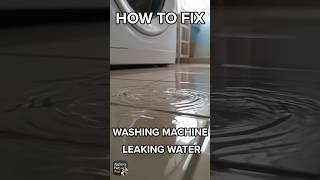
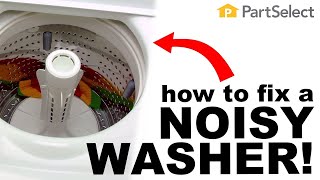
Related How-To Videos
Real DIY Repair Stories
Be the first to share your repair story!
Share Your Repair Story
Your experience helps other homeowners fix their appliances. Tell us how it went!
Can't Fix It Yourself? Find a Local Technician
It's perfectly okay to call a professional. Some repairs require specialized tools, deep teardowns, or dealing with complex systems that are better left to the pros.

Find the Right Part for Your Appliance
Don't guess — search your exact appliance model number at ProsourceParts.com to find the correct OEM compatible replacement part. They offer fast free shipping, guaranteed fit, and thousands of parts in stock.
Your Free Parts Videos
Whether your dishwasher won't drain, your dryer stopped heating, or your fridge isn't cold, we've created simple repair guides for the most common appliance problems homeowners face. Each guide explains what's going wrong, the most likely causes, and which replacement parts fix the issue. When you're ready to order, we link directly to ProsourceParts.com where you can search by model number and get the right part shipped fast.