
Whirlpool WFW9640XW00 Washer — Common Problems and What Parts Fix Them
Need the replacement part? Search your model number at for guaranteed fit and fast free shipping.
Understanding the Problem
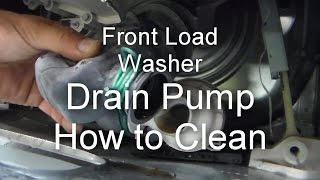
What this guide covers: The WFW9640XW00 is a Whirlpool front-load washer. Common problems are: won't start, won't fill, won't drain, won't spin or completes cycles with error codes, loud noises, and leaks. Below are practical diagnostic steps and repair instructions for each major symptom. 1) Washer won't start or won't respond to controls a) Check: Ensure unit has power (test the outlet) and the door is fully closed and latched. Look for error codes in display. b) Diagnostic steps: Enter service/diagnostic mode (see owner's manual) to check for UI and board errors. Test door lock: listen for a click when starting a cycle. Use a multimeter to test door lock continuity (usually ~0–ohms closed). c) How to fix: Replace the door lock/door latch assembly if it fails continuity or the lock doesn't engage. If UI shows unresponsive buttons, try a UI control board reset (unplug 1 minute) and replace the user interface/control board if still faulty. 2) Washer won't fill or takes very long to fill a) Check: Verify water supply valves are fully open and hoses not kinked. Screen filters on inlet valve may be clogged. b) Diagnostic steps: Remove inlet hoses and inspect screens. Measure inlet valve solenoid resistance with a multimeter; compare to spec in service manual. Observe if both hot and cold flow when selected. c) How to fix: Clean screens; replace the water inlet valve if solenoids are open or intermittently operating. 3) Washer won't drain or pumps out slowly a) Check: Inspect drain hose routing for kinks and check household standpipe. Remove and clean pump filter (if equipped) and drain pump area. b) Diagnostic steps: Run drain/spin cycle and listen for the pump running. If silent or humming, test pump for continuity and ability to spin when 120V applied (for experienced users). Inspect tub and pump for obstructions (coins, fabric, small items). c) How to fix: Clear obstructions or replace the drain pump if it hums, lacks continuity, or fails to move water. 4) Washer won't spin or leaves clothes very wet a) Check: Verify load balance and distribution. Examine drive system (direct-drive motor or belt—many front-loads are direct-drive). b) Diagnostic steps: Run a spin-only cycle and observe motor behavior. Check motor capacitor (if applicable) and rotor/stator for damage. Look for fault codes indicating motor or tachometer failures. c) How to fix: Redistribute load; if motor/tach errors persist, replace the drive motor, motor control board, or associated harnesses. 5) Washer is noisy or vibrates excessively a) Check: Confirm unit is level and feet adjusted. Inspect bearings, tub shock absorbers/dampers, and motor coupling for wear. b) Diagnostic steps: Spin the tub by hand (when power off); listen for grinding or rumbling. Move the tub while watching for excessive play. c) How to fix: Replace worn bearings, shock absorbers/dampers, or stabilizer rings. For grinding inside the tub, replacement of the tub seal/bearing assembly may be necessary. 6) Washer leaks water a) Check: Inspect door seal (bellows) for tears, detergent dispenser, inlet hoses, and drain hose clamp connections. b) Diagnostic steps: Run a short wash and watch for leak location. Check for suds overflow from wrong detergent. c) How to fix: Replace damaged door boot/gasket, tighten or replace hoses and clamps, or replace the detergent dispenser assembly if cracked. General replacement procedure (applies to most parts listed below): 1) Unplug the washer and turn off water supply. Always cut power before working on appliances. 2) Move washer away from wall so you can access the rear and sides. 3) Remove the required access panels (top, front, or rear) to access the failed component. Keep track of screws and clips. 4) Photograph or note wiring and hose connections for correct reassembly. 5) Disconnect electrical connectors and hoses from the failed part. Remove mounting screws and extract the part. 6) Install the replacement part in reverse order, reconnect hoses/wires, reattach panels, restore water and power, and run a test cycle. Safety note: Always unplug the washer and turn off water supply before servicing. If you are not comfortable working with mains voltage or water connections, hire a qualified technician.
Common Symptoms
No power or no start, won't fill, won't drain, won't spin, loud noises, and leaks.
Common Causes
- Failed door lock/door latch or control board
- Clogged or failed drain pump
- Faulty water inlet valve or blocked inlet screens
- Worn motor, bearings, or suspension components (shocks/dampers)
Popular Parts That Fix This Problem
These are the most common replacement parts that fix this problem. When you're ready to order, click below to find the right part at ProsourceParts.com — just search by your appliance model number for a guaranteed fit.

Helpful Repair Tip
Run the washer's built-in diagnostic/service mode to capture error codes; use those codes to narrow the failing subsystem (door lock, drain pump, motor, inlet valve) before replacing parts.
Frequently Asked Questions
How do I run diagnostics on the WFW9640XW00 to read error codes?
Most Whirlpool front-load washers have a service/diagnostic mode. Typically you start with the machine powered off, then perform a specific sequence of button presses (consult the tech sheet behind the control panel or the service manual). The washer will display error codes or run component tests which point to the subsystem that’s failing. If you don't have the manual, note the display codes and search for 'WFW9640XW00 service mode' or check the tech sheet taped to the washer's rear or inside the control console.
Is it worth repairing a WFW9640XW00 or should I replace the washer?
Repairing is often cost-effective for single-part failures (pump, door boot, inlet valve, door lock). If multiple major components (motor, transmission, main control board) fail or repairs exceed ~50% of the cost of a new washer, replacement may be more economical. Consider the unit's age—if over 8–10 years and multiple failures occur, replacement is usually the better long-term choice.
Related How-To Videos
Real DIY Repair Stories
Be the first to share your repair story!
Share Your Repair Story
Your experience helps other homeowners fix their appliances. Tell us how it went!
Can't Fix It Yourself? Find a Local Technician
It's perfectly okay to call a professional. Some repairs require specialized tools, deep teardowns, or dealing with complex systems that are better left to the pros.

Find the Right Part for Your Appliance
Don't guess — search your exact appliance model number at ProsourceParts.com to find the correct OEM compatible replacement part. They offer fast free shipping, guaranteed fit, and thousands of parts in stock.
Your Free Parts Videos
Whether your dishwasher won't drain, your dryer stopped heating, or your fridge isn't cold, we've created simple repair guides for the most common appliance problems homeowners face. Each guide explains what's going wrong, the most likely causes, and which replacement parts fix the issue. When you're ready to order, we link directly to ProsourceParts.com where you can search by model number and get the right part shipped fast.