
Whirlpool WFW9450WW00 Front-Load Washer — Common Problems and How to Fix Them
Need the replacement part? Search your model number at for guaranteed fit and fast free shipping.
Understanding the Problem
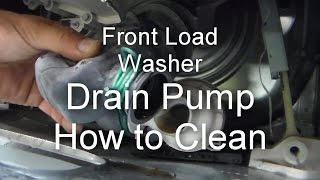
The Whirlpool WFW9450WW00 is a front-load washer that commonly shows issues such as not starting, not draining or spinning, leaks, excessive vibration, and control-panel error codes. Below is a practical, step-by-step diagnostic and repair process covering the most common failures and how to fix them. Follow steps in order — basic checks first, then move to part-level testing and replacement. 1) Safety & preparation - Unplug the washer and turn off the water supply before doing any checks or repairs. - Have a multimeter, nut driver set, bucket/towels, and a flashlight ready. 2) If the washer won’t power on or start a) Basic checks: - Confirm outlet power: plug a lamp or hair dryer into the same outlet. - Check house circuit breaker/fuse. - Inspect the washer’s power cord for damage. b) Control/door lock checks: - Many front-load washers won’t start if the door lock/latch fails. Run a door-lock continuity test with a multimeter (remove the console or access panel to reach the lock). If the lock has no continuity when it should be locked, replace it. - Try door open/close firmly and test different cycles (some cycles require additional options to start). c) Control board or user interface: - If the unit has power but nothing responds or the display is blank, the main control board or user interface (touchpad) may be faulty. Inspect for burn marks, loose connectors, or swollen capacitors. How to fix: - Replace a failed door lock assembly (see parts list) if it fails continuity or the lock clicks but the door isn’t secured. - Replace the control board or console board if diagnostics show board errors and wiring is intact. 3) If the washer fills but won’t drain or spin a) Drain block/trap and pump: - Remove front lower access panel. Place towels and a shallow pan to catch water. Manually drain via the small drain hose or the drain pump filter. - Inspect the drain pump for debris (coins, socks, large lint). Try to spin the pump impeller by hand (power off). Check for rattling or seized bearings. - Test pump motor with multimeter for continuity. If it has continuity but does not run when commanded, check wiring and control board output. b) Drive system and motor: - If the drum won’t spin but the pump runs, the drive motor, belt (if present), or clutch/speed reducer could be at fault. - Many front-load models are direct drive; inspect the motor for burnt smell, test motor windings with a multimeter (compare to service manual values), and inspect the motor coupler if present. How to fix: - Clean or replace a clogged drain pump. Replace if the impeller is damaged or pump motor is dead. - Replace a seized or worn motor, or motor coupling/drive components as needed. Verify with diagnostics before replacing expensive parts. 4) If the washer leaks a) Common leak sources: - Door seal (bellows/boot) damage or foreign objects trapped under the gasket. - Loose or damaged drain hose, inlet hoses, or hose clamps. - Front lower tub or pump housing cracks. b) Inspect and test: - Run a short cycle with the washer on a towel and watch where water appears. Wipe dry first so you can pinpoint initial leak location. - Inspect the door boot for tears, mold, or push-out clamps. Check clamps/screws holding the boot. - Check the detergent drawer and dispenser for overflow or blocked dispenser hoses. How to fix: - Replace torn door boot/gasket and secure clamps. Tighten or replace hose clamps and damaged hoses. Replace pump if leaking from pump housing. 5) Excessive vibration or movement a) Causes: - Washer not level, shipping bolts not removed (on new installs), worn shock absorbers or suspension springs, uneven load distribution, or splayed feet. b) Diagnosis and fix: - Level the washer using a bubble level and adjust the four leveling legs. Remove any transit shipping bolts if new. - Test with a heavy load (towels) to see if imbalance persists. Replace shock absorbers or suspension rods if drum slams during spin. 6) Error codes and diagnostics mode - The WFW9450WW00 will display fault codes (F codes, CODES) or flashes. Look up the exact code in the factory service sheet for this model — common codes indicate door lock (e.g., FDL), motor errors (e.g., FDL/ F71/F72 depending on brand convention), or water fill/drain issues. - To enter diagnostics (model-specific): power off, then use a sequence of button presses (consult the service manual for WFW9450WW00). In diagnostics mode you can command the drain pump, motor, and read stored error history. How to fix: - Use the diagnostic mode to isolate failures before replacing parts. Replace only the failed component indicated by the diagnostics after verifying wiring and connectors. 7) Practical replacement steps (example: drain pump) - Unplug washer and turn off water. - Remove front lower access panel or tilt washer back if needed (follow manual for safe tilting). - Place towels and a shallow tray under the pump area. Remove any retained water using the small drain hose or filter. - Disconnect electrical connectors from the pump and loosen hose clamps on both inlet and drain hoses. - Remove mounting screws and remove pump. Install new pump, reattach hoses and connectors, secure clamps, and test on a drain/spin cycle. 8) When to call a pro - If diagnostics point to a failing main control board, sealed motor component, or you’re not comfortable working inside high-voltage circuits, hire a qualified appliance technician. Safety note: Always disconnect power and water before opening the washer. Use insulated tools when testing live components only if you are trained. If you are uncertain about performing any electrical test or replacing major components, contact a licensed appliance repair technician.
Common Symptoms
Washer won't start or accept cycles; won't drain or spin; visible leaks from the door or bottom; loud noises or banging during spin; control-panel error codes.
Common Causes
- Failed door lock assembly or control board preventing the washer from starting
- Clogged or failed drain pump or blocked drain trap causing no drain/no spin
- Worn shocks, suspension, or leveling issues causing excessive vibration or noise
Popular Parts That Fix This Problem
These are the most common replacement parts that fix this problem. When you're ready to order, click below to find the right part at ProsourceParts.com — just search by your appliance model number for a guaranteed fit.

Helpful Repair Tip
Use the washer’s diagnostics mode to run the drain pump and motor manually — if the pump runs in diagnostics but won’t during a cycle, suspect the control board or wiring; if it doesn’t run in diagnostics, replace the pump.
Frequently Asked Questions
How do I read or clear error codes on my WFW9450WW00?
The washer stores fault codes visible on the display or via the service diagnostics mode. To clear codes you can usually power-cycle the washer (unplug 1 minute). For persistent codes, enter diagnostics (refer to the factory service sheet for the exact button sequence for WFW9450WW00), read stored faults, and run individual component tests. Clearing without fixing the underlying fault will cause the code to return.
Can I replace parts myself or do I need a technician?
Many repairs (door boot, drain pump, hoses, and leveling) are DIY-friendly if you’re comfortable with basic tools and safety procedures. For electrical diagnostics, control board replacement, sealed motors, or if the washer needs to be tilted or moved, consider hiring a qualified appliance technician to avoid injury and ensure proper diagnosis.
Related How-To Videos
Real DIY Repair Stories
Be the first to share your repair story!
Share Your Repair Story
Your experience helps other homeowners fix their appliances. Tell us how it went!
Can't Fix It Yourself? Find a Local Technician
It's perfectly okay to call a professional. Some repairs require specialized tools, deep teardowns, or dealing with complex systems that are better left to the pros.

Find the Right Part for Your Appliance
Don't guess — search your exact appliance model number at ProsourceParts.com to find the correct OEM compatible replacement part. They offer fast free shipping, guaranteed fit, and thousands of parts in stock.
Your Free Parts Videos
Whether your dishwasher won't drain, your dryer stopped heating, or your fridge isn't cold, we've created simple repair guides for the most common appliance problems homeowners face. Each guide explains what's going wrong, the most likely causes, and which replacement parts fix the issue. When you're ready to order, we link directly to ProsourceParts.com where you can search by model number and get the right part shipped fast.