
Whirlpool WFW70HEBW2 Troubleshooting — Common Problems, Diagnosis & Fixes
Need the replacement part? Search your model number at for guaranteed fit and fast free shipping.
Understanding the Problem
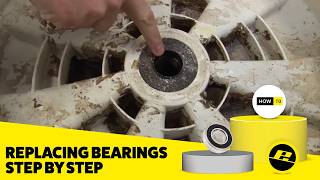
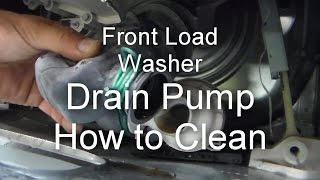
The Whirlpool WFW70HEBW2 is a front-load, high-efficiency washer. Owners commonly see problems with draining, spinning, door lock faults, leaks and unusual noises. Below are likely causes for each symptom and step-by-step diagnostic and repair actions you can take. 1) Washer won't start or "door"/"lock" error - Likely causes to check first: faulty door lock/latch assembly, broken door strike, control board glitch, or a trapped child lock/lockout setting. - Diagnostic & repair steps: 1. Unplug the washer or switch off power at the breaker. Wait 1–2 minutes and restore power to attempt a reset. 2. Verify the door closes fully and the strike engages. If the door seems loose, inspect the strike for damage and tighten hinge screws. 3. Locate the door lock assembly (inside the front panel at the door opening). With power off, inspect for visible damage or melted plastic. 4. If you have a multimeter and are comfortable testing: with power off, remove the lock and test continuity across lock terminals (consult a wiring diagram for exact pins). No continuity when the door is closed suggests a bad lock. 5. Replace the door lock assembly if defective. Reconnect power and test. 2) Washer won't fill or fills slowly - Likely causes: clogged inlet screens, faulty water inlet valve, low household water pressure. - Diagnostic & repair steps: 1. Turn off water supply valves and disconnect hoses at the back. Check inlet hose screens for debris and clean them. 2. Confirm both hot and cold valves supply water independently by briefly opening them into a bucket. 3. If supply is fine but the washer does not fill or fills slowly, test the inlet valve solenoids with a multimeter for proper resistance (refer to service manual for values) or replace the inlet valve assembly. 3) Washer won't drain or displays "drain"/"F-type" error - Likely causes: clogged drain pump, foreign object in pump, kinked/blocked drain hose, failing drain pump motor. - Diagnostic & repair steps: 1. Unplug the washer and turn off water. Remove the lower access panel (if equipped) or tilt the washer back carefully to access the pump area. 2. Place towels and a shallow pan under the pump. Disconnect the drain hose from the household drain and check for kinks or clogs. 3. Remove the pump inlet hose and inspect for coins, fabric, or debris. Clean out filter/trap if present. 4. With power off, try to spin the pump impeller by hand; it should rotate freely. If seized, replace the drain pump. 5. If the pump spins but won’t run when powered, test pump for voltage during a drain cycle (use caution or get a technician). No voltage indicates control or wiring issue; voltage present but pump not running indicates a bad pump. 4) Washer not spinning or clothes very wet after cycle - Likely causes: unbalanced load, faulty door lock, defective drain pump, motor control or drive-related fault, suspension/shock absorber failure. - Diagnostic & repair steps: 1. Confirm load is balanced — run a shorter spin with a small balanced load. 2. Listen for unusual motor sounds. Inspect suspension/shocks and spider (if accessible) for wear or breakage — worn shocks allow excessive tub movement and prevent proper spin. 3. If drum binds or grinds during spin, suspect bearing or tub/suspension failure — these often require disassembly and replacement of bearings/spider or entire tub assembly. 4. If the washer attempts to spin but stalls, test the motor and motor control (inverter) for error codes or signs of failure. 5) Loud noise / rumbling / grinding - Likely causes: foreign object in tub/pump, worn bearings or spider, failed shock absorbers, loose drive components. - Diagnostic & repair steps: 1. Check drum interior and pump for trapped items (coins, zippers). Remove items. 2. With the drum empty, rotate the drum by hand to feel for roughness or grinding — smooth resistance indicates bearings are likely OK, rough or metal-to-metal indicates bearings/spider wear. 3. Replace worn bearings or spider assembly if noisy under hand-rotation. 6) Water leaks - Likely causes: damaged door boot/gasket, loose hose clamps, cracked tub, faulty detergent drawer seals. - Diagnostic & repair steps: 1. Run a short cycle with the washer empty and observe the front, back, and underneath to identify leak location. 2. Inspect the door boot gasket for tears or trapped debris. Replace gasket if damaged. 3. Inspect drain hose, inlet hoses and clamps. Tighten or replace as needed. 4. If leak appears from the front lower area, inspect the tub and pump seals; replace the pump or tub seal if leaking. 7) Persistent odor or mildew - Likely causes: detergent overuse, trapped lint/debris, standing water in trap or hoses. - Diagnostic & repair steps: 1. Run a cleaning cycle or a hot wash with 1 cup of white vinegar or a washer-clean product. 2. Remove and clean detergent drawer and door boot thoroughly. Leave door ajar between loads to allow drying. 3. Check and clean drain pump trap and hoses. General troubleshooting tips and tests: - Run the service/diagnostic mode to read stored fault codes (use your manual or look up the sequence online for WFW70HEBW2) — codes point to the failed subsystem. - Always disconnect power and water before removing panels or working on electrical components. - Keep a multimeter handy for continuity and voltage checks, but only perform live-voltage checks if you are experienced and cautious. Safety note: Always disconnect the washer from power and shut off water before performing any internal inspections or repairs. If you are unsure about electrical tests, control board diagnostics, or heavy mechanical disassembly (bearing/tub replacement), hire a certified appliance technician.
Common Symptoms
Won't start/door lock errors, won't drain, won't spin, loud noises during spin, leaks, poor fill or slow fill, mildew odor.
Common Causes
- Faulty door lock/latch assembly
- Clogged or failed drain pump or blocked drain hose
- Worn suspension/shocks, bearings, or tub spider causing noise and poor spin
Popular Parts That Fix This Problem
These are the most common replacement parts that fix this problem. When you're ready to order, click below to find the right part at ProsourceParts.com — just search by your appliance model number for a guaranteed fit.
Helpful Repair Tip
Run the washer's diagnostic/service mode to capture fault codes, then inspect the drain pump and door lock first — those two parts are the most common simple failures on this model.
Frequently Asked Questions
How do I reset my WFW70HEBW2 washer?
To perform a basic reset: unplug the washer or switch off the circuit breaker for 1 minute, then restore power. This clears temporary control glitches. If faults persist, run the service/diagnostic mode to capture fault codes or perform further tests.
When should I call a technician for this model?
Call a technician if you see persistent electronic error codes after resets, if the washer requires major disassembly (bearing, tub or spider replacement), if you are uncomfortable testing live voltage, or if leak origin is unclear. Simple parts like the drain pump, inlet valve, or door lock can often be replaced by a confident DIYer; complex motor or tub repairs are best left to pros.
Related How-To Videos
Real DIY Repair Stories
Be the first to share your repair story!
Share Your Repair Story
Your experience helps other homeowners fix their appliances. Tell us how it went!
Can't Fix It Yourself? Find a Local Technician
It's perfectly okay to call a professional. Some repairs require specialized tools, deep teardowns, or dealing with complex systems that are better left to the pros.

Find the Right Part for Your Appliance
Don't guess — search your exact appliance model number at ProsourceParts.com to find the correct OEM compatible replacement part. They offer fast free shipping, guaranteed fit, and thousands of parts in stock.
Your Free Parts Videos
Whether your dishwasher won't drain, your dryer stopped heating, or your fridge isn't cold, we've created simple repair guides for the most common appliance problems homeowners face. Each guide explains what's going wrong, the most likely causes, and which replacement parts fix the issue. When you're ready to order, we link directly to ProsourceParts.com where you can search by model number and get the right part shipped fast.