
Whirlpool WFW6620HW2 — Common Problems & How to Diagnose and Fix Them
Need the replacement part? Search your model number at for guaranteed fit and fast free shipping.
Understanding the Problem
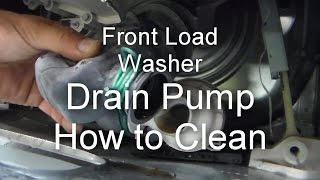
This guide covers the most common problems that owners of the Whirlpool WFW6620HW2 front-load washer see and gives step-by-step diagnostics and repair actions. The most frequent failures are drain/pump blockages or pump failure (washer won't drain or spin), door lock failure (won't start or gives lock error), water inlet valve or pressure issues (won't fill properly), suspension or tub bearings (loud thump or excessive vibration), and electronic/control failures. Below are practical diagnostic and repair steps you can do at home. 1) Safety first - Unplug the washer and shut off water supply before any access or repairs. - If you must run the machine with panels off to test, keep hands and tools clear of moving parts and reapply power only for short tests. 2) Read the error code / put machine into diagnostics - If the display shows an F or dE/door or other error, note the exact code. Many Whirlpool error codes point to a subsystem (drain, motor, door lock, water inlet). - If you need to enter service diagnostics, locate the tech sheet/service manual (usually behind the control console or taped under the console). Follow the tech sheet sequence to enter diagnostics — if you don't have the sheet, do not attempt random button combinations; instead perform the physical checks below. 3) Washer won’t start or gives a door-lock error (door won't lock or unlock) - Check: Is the door fully closed and latch engaging? Inspect the door strike and the boot (gasket) for obstruction. - Test: With power off, press the door latch inward to see if it mechanically moves. On restart, listen for the door lock solenoid to engage when you select a cycle and press Start. - Repair steps: a) Access the door lock assembly (remove the inner control trim or front panel as required). b) Visually inspect wiring for burn marks or loose connectors. c) If lock shows no continuity with a multimeter (usually a few ohms in locked state), replace the door lock assembly. Reassemble and test. 4) Washer fills but won’t drain or spin / shows draining errors - Check: Is there standing water at the tub bottom after the cycle? Is the drain hose kinked? Is the sink/trap clogged? - Test the drain pump: a) Pull the drain hose from the drain or standpipe and check for obstructions. b) Access the drain pump (usually at the front bottom behind the service panel). Remove debris trap or pump inlet and look for coins, socks, hair, or scum. c) With power off, spin the pump impeller by hand — it should turn freely. If it’s jammed or makes grinding noise or if pump motor has open circuit on a multimeter, replace pump. - Repair steps: a) Clear blockages in hose, trap, or pump inlet. b) If pump is noisy or electrical tests fail, replace the drain pump assembly. c) After replacing, run a drain/spin test to confirm. 5) Poor or no fill / fills slowly or overfills - Check inlet hoses and screens for debris; verify water supply valves are fully open. - Test water inlet valve: remove valve wiring harness after power off and check for signs of mineral build-up or burn. Use a multimeter to check coil continuity. If coils open or valve leaks, replace the water inlet valve assembly. - Also check the pressure switch/air dome or water level sensor for blockages (lint or scale) that could misreport water level. 6) Loud banging, thumping, or excessive vibration - Check load balance and style of load. Large single items (towels, rugs) can cause imbalance. - Inspect suspension: front-load washers use shock absorbers and springs. With the tub empty and door open, press down on the tub — it should move and return smoothly. If it slams back or hangs loose, replace worn shocks/springs or suspension rods. - Check drum bearings by rotating the drum by hand and feeling for roughness or knocking. Bad bearings typically cause loud rumble and require bearing/tub replacement (labor intensive) — consider professional repair or replacement. 7) Smell or mold in the door boot / leaks from door - Inspect the door boot / gasket for tears, trapped debris, or mildew. Remove and clean thoroughly with a mildew cleaner; replace the boot if torn or if odor persists after cleaning. - Check the door glass and latch area for detergent residue; use front-load friendly detergent and run high-temp cleaning cycles monthly. 8) Electronics / board failures / intermittent faults - If multiple unrelated failures occur or the display is blank, check power supply (outlet and cord), control board connections, and any visible burned components. - Replacing the main control board or user interface board can fix stuck programs or dead displays but confirm symptoms and run diagnostics first — boards are expensive and replacement should be a last step after verifying sensors and actuators. 9) Run after-repair tests - After any repair, run a short rinse/spin or diagnostic cycle to verify the issue is resolved. Re-check for leaks, abnormal noises, and proper draining/filling. Safety note: Always disconnect power and water before opening the washer. Use proper tools and protective gloves. If a repair involves the tub bearings or motor assembly (heavy parts, spring tension, or refrigerant-like hazards), consider a trained technician if you’re not comfortable with major disassembly.
Common Symptoms
Washer won’t drain or spin; door won’t lock or unlock; loud banging or vibration during spin; slow or no fill; persistent mildew smell or leaks; error codes displayed.
Common Causes
- Drain pump blocked, jammed, or electrically failed
- Door lock/latch assembly failed or wiring/connectors loose
- Worn suspension/shocks or tub bearings causing noise and imbalance
Popular Parts That Fix This Problem
These are the most common replacement parts that fix this problem. When you're ready to order, click below to find the right part at ProsourceParts.com — just search by your appliance model number for a guaranteed fit.

Helpful Repair Tip
Check for pump clogs first: remove the small access panel, take out debris trap, and inspect the pump inlet — most 'won’t drain' issues are foreign objects or a failed pump motor.
Frequently Asked Questions
How do I enter the diagnostics/service mode on my WFW6620HW2?
The service diagnostics sequence is model-specific and is listed on the washer’s tech sheet (often located behind the control console or taped under the console). Locate the tech sheet and follow the exact button sequence shown there to enter diagnostics. If you don't have the tech sheet, do not guess sequences — instead inspect physical components (pump, door lock, inlet valve) as described above or obtain the official service manual.
Is it worth repairing a WFW6620HW2 with a bad bearing or noisy motor?
Bearing replacements are labor-intensive because they usually require separating the tub and replacing bearings/seals or the whole outer tub — parts and labor can be high. If the washer is older than 6–8 years, compare repair cost to replacement. For single, inexpensive failures (pump, door lock, inlet valve, shocks), repairs are usually cost-effective; for major tub/motor bearing jobs consider a professional estimate before proceeding.
Related How-To Videos
Real DIY Repair Stories
Be the first to share your repair story!
Share Your Repair Story
Your experience helps other homeowners fix their appliances. Tell us how it went!
Can't Fix It Yourself? Find a Local Technician
It's perfectly okay to call a professional. Some repairs require specialized tools, deep teardowns, or dealing with complex systems that are better left to the pros.

Find the Right Part for Your Appliance
Don't guess — search your exact appliance model number at ProsourceParts.com to find the correct OEM compatible replacement part. They offer fast free shipping, guaranteed fit, and thousands of parts in stock.
Your Free Parts Videos
Whether your dishwasher won't drain, your dryer stopped heating, or your fridge isn't cold, we've created simple repair guides for the most common appliance problems homeowners face. Each guide explains what's going wrong, the most likely causes, and which replacement parts fix the issue. When you're ready to order, we link directly to ProsourceParts.com where you can search by model number and get the right part shipped fast.