
Whirlpool WED9400SW2 Dryer — Common Problems and What Parts Fix Them
Need the replacement part? Search your model number at for guaranteed fit and fast free shipping.
Understanding the Problem
Overview: The Whirlpool WED9400SW2 is a standard electric dryer that commonly develops a handful of problems as it ages: not heating, long dry times, no tumble, loud noises, or it won't start. Most faults are due to failed thermal fuses/thermostats, a broken belt/drive motor, clogged vents, or a bad heating element or control components. Below are clear, step-by-step diagnostic and repair procedures you can use to find and fix the issue. Diagnostic & Repair Steps: 1) Safety first: Unplug the dryer and turn off the house circuit breaker before opening panels or testing components. Electric dryers use 240 VAC — fatal if handled live. 2) Identify the symptom precisely: not heating, not tumbling, runs but clothes stay damp, loud squeal/grinding, or no power at all. Knowing the symptom narrows which parts to test. 3) If the dryer has no power or won't start: a) Confirm the dryer is plugged in and the 240V breaker(s) are ON. Check the outlet for 240V with a multimeter (if you are comfortable doing so). b) Inspect the door switch and start switch for continuity. Replace if open. c) Test the user control / electronic control board visually for burned components. Swap or replace only after confirming simpler parts. 4) If the dryer runs (motor and drum spin) but does not heat or dries slowly: a) Check the lint screen and exhaust vent for blockages — clean them first. Restricted airflow is the most common cause of long dry times. b) Test the thermal fuse (on the blower housing or exhaust duct) for continuity with a multimeter. An open thermal fuse is a very common cause of no-heat and must be replaced. Note: a blown thermal fuse usually indicates an airflow/venting problem — clear the vent before replacing the fuse. c) Test the heating element for continuity and for shorts to ground. If the element is open or grounded, replace it. d) Test high-limit thermostats and cycling thermostat(s) for continuity. Replace any that are open. 5) If the dryer doesn't tumble or the motor hums: a) Unplug the dryer and remove the front or rear panel to access the drive assembly. b) Inspect the belt for breakage. A snapped belt is an obvious fix — replace the belt and check the idler pulley and motor pulley for wear. c) If the belt is intact but the motor doesn't turn, test the motor for continuity and check the motor centrifugal switch. A seized motor or bad start components will need replacement. 6) If the dryer is noisy (squealing, rumbling, grinding): a) Inspect drum support rollers, idler pulley, and bearings. Worn rollers or a failing idler cause squeal/grind and should be replaced. b) Check the blower wheel for debris or a cracked wheel — replace if damaged. 7) If the dryer trips the house breaker or a GFCI: test the heating element for short to ground and repair or replace the element assembly. 8) If the dryer exhibits control or sensing problems (random stops, incorrect cycle times): a) Verify the moisture sensor bars are clean; clean them with a soft cloth and rubbing alcohol. b) Run diagnostic mode (refer to the tech sheet behind the console) to read error codes — use the service manual for code definitions. c) If codes indicate control failure, test and replace the main control board or user interface as needed. 9) Replace parts with OEM or equivalent quality parts. Reassemble panels, restore power, and test several cycles with a small load. Safety note: Always disconnect power before disassembly. Use a multimeter only if you are experienced. If you are unsure at any point, consult a licensed appliance technician. Replacing safety devices (thermal fuses, thermostats) without fixing the underlying airflow/heating fault will lead to repeat failures.
Common Symptoms
No heat or long drying times, dryer runs but won't tumble, loud noises during operation, dryer won't start, or trips breaker.
Common Causes
- Clogged lint screen or exhaust vent causing poor airflow
- Blown thermal fuse or failed thermostat(s)
- Open or shorted heating element
- Broken drive belt, bad idler pulley, or failed motor
- Worn drum rollers or damaged blower wheel
- Faulty door switch, control board, or moisture sensor
Popular Parts That Fix This Problem
These are the most common replacement parts that fix this problem. When you're ready to order, click below to find the right part at ProsourceParts.com — just search by your appliance model number for a guaranteed fit.

Helpful Repair Tip
Start with airflow checks and the thermal fuse: clean the vent and lint path, then test the thermal fuse for continuity. An open thermal fuse + poor venting is the most common repair.
Frequently Asked Questions
How do I find the exact replacement part for my WED9400SW2 dryer?
Locate the model and serial tag (usually inside the door opening or on the back panel). Use the full model/serial when searching parts online or consult the manufacturer's parts diagram; this ensures correct fit and function.
My dryer isn't heating but the drum turns — should I replace the thermal fuse first?
Check airflow first (lint screen and vent). If airflow is clear, test the thermal fuse with a multimeter. If the thermal fuse is open (no continuity), replace it — but only after fixing the vent or airflow issue that likely caused it to blow. Also test the heating element and thermostats before concluding.
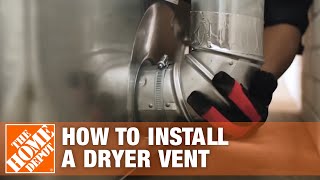
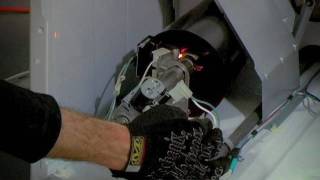
Related How-To Videos
Real DIY Repair Stories
Be the first to share your repair story!
Share Your Repair Story
Your experience helps other homeowners fix their appliances. Tell us how it went!
Can't Fix It Yourself? Find a Local Technician
It's perfectly okay to call a professional. Some repairs require specialized tools, deep teardowns, or dealing with complex systems that are better left to the pros.

Find the Right Part for Your Appliance
Don't guess — search your exact appliance model number at ProsourceParts.com to find the correct OEM compatible replacement part. They offer fast free shipping, guaranteed fit, and thousands of parts in stock.
Your Free Parts Videos
Whether your dishwasher won't drain, your dryer stopped heating, or your fridge isn't cold, we've created simple repair guides for the most common appliance problems homeowners face. Each guide explains what's going wrong, the most likely causes, and which replacement parts fix the issue. When you're ready to order, we link directly to ProsourceParts.com where you can search by model number and get the right part shipped fast.