
Whirlpool WED7500GW0 — Common Problems & What Parts Fix Them
Need the replacement part? Search your model number at for guaranteed fit and fast free shipping.
Understanding the Problem
This guide covers the most common problems owners see on the Whirlpool WED7500GW0 electric dryer (no heat, not tumbling, loud noises, long cycles and intermittent operation). Use the numbered diagnostic and repair steps below to isolate the faulty part and repair it safely. Always disconnect power before working on the dryer. 1) Dryer Won't Heat (electric model) - What to check first: lint build-up/vent blockage, thermal fuse, high-limit thermostat, heating element assembly, cycling thermostat, power at the terminal block (240V for electric dryer). - Diagnostic steps: 1. Confirm dryer is the electric version on the model tag and unplug the dryer or switch off the breaker. 2. Remove the lint screen and use a flashlight to inspect the exhaust path. If you see heavy lint, clear the duct and vent to the outside and test again. 3. Test for power: with dryer plugged in and a helper starting a cycle, carefully check the terminal block for ~240V (two hot legs). If no 240V, troubleshoot household breaker or outlet. 4. With power off, remove the rear panel or lower front service panel and locate the thermal fuse (usually on the blower housing). Test continuity with a multimeter. An open thermal fuse = no heat. 5. If thermal fuse is good, test the heating element assembly for continuity and visual damage. If broken or burnt, replace the element. 6. If element ok, test thermostats (cycling and high-limit) and wiring harness for continuity. - How to fix: Replace the open thermal fuse, faulty thermostat, or heating element as indicated. Always replace the thermal fuse only after fixing venting problems (fuse blows due to overheating from clogged vent). 2) Dryer Not Tumbling / Drum Not Turning - What to check first: drive belt, idler pulley, drum rollers, motor, door switch. - Diagnostic steps: 1. Unplug the dryer. Open the door and try to turn the drum by hand; if it turns freely the belt may be broken or slipped. 2. Remove the front panel or top to inspect the belt condition and path around the idler pulley and motor shaft. 3. If the motor hums but the drum doesn’t turn, check belt integrity and idler tension. A snapped belt or seized idler/motor is common. 4. Inspect drum rollers and glides for wear—if the drum is hard to turn by hand, replace the worn rollers or glides. - How to fix: Replace the drum belt if broken. If the idler pulley or motor bearings are seized, replace those parts. If the door switch prevents starting, test switch continuity and replace if faulty. 3) Loud Noises or Squealing - What to check first: worn drum rollers, worn idler pulley bearing, worn motor bearings, debris in blower wheel. - Diagnostic steps: 1. Run the dryer with the cabinet open (safe distance) to localize the noise source. 2. If noise changes when you support the drum, inspect rollers and glides. If noise persists and seems motor-related, inspect motor and blower wheel. 3. Remove the drum and try spinning the blower wheel and motor by hand to feel rough bearings. - How to fix: Replace worn rollers, idler pulley, or motor. Clean or replace a damaged blower wheel. 4) Long Dry Times / Clothes Still Damp - What to check first: lint filter, vent/duct restriction, partial heater failure, cycling thermostat, moisture sensor. - Diagnostic steps: 1. Clean the lint screen and vacuum lint trap and ducts. Disconnect exhaust vent and run dryer — if it dries normally with vent disconnected, the problem is venting. 2. Verify heating element is operating fully (should glow evenly). A partial failure may still heat but not enough. 3. Check cycling thermostat and moisture sensor for proper operation. - How to fix: Clear/replace venting, replace heating element or thermostat/sensor if needed. Safety note: Always unplug the dryer or switch off the circuit breaker before opening panels. Gas dryers also require turning off the gas supply and taking extra caution around the gas valve and igniter. Use a multimeter rated for household voltage, and if you are unsure about any step, contact a qualified technician.
Common Symptoms
No heat on any cycle, dryer runs but drum won't turn, loud squealing or grinding, clothes taking too long to dry, dryer trips breaker or intermittent operation.
Common Causes
- Clogged/excessively restricted exhaust vent causing overheating and thermal fuse failure
- Worn or broken drive belt, idler pulley, or drum rollers preventing tumbling
- Failed thermal fuse, heating element (electric), or igniter/gas valve coils (gas)
- Worn motor or blower wheel bearings causing noise or motor failure
Popular Parts That Fix This Problem
These are the most common replacement parts that fix this problem. When you're ready to order, click below to find the right part at ProsourceParts.com — just search by your appliance model number for a guaranteed fit.

Helpful Repair Tip
Use a multimeter to check continuity on the thermal fuse and drum belt tension; an open thermal fuse or snapped belt is a very common and easily-confirmed cause.
Frequently Asked Questions
How do I find the exact part number for my WED7500GW0?
Locate the model/serial tag (usually on the dryer door rim or inside the door opening). Use the exact model and the appliance parts lookup on the manufacturer’s site or a reputable parts seller to match the exact part number. Many dryer parts are model-specific, so confirming the model/serial is essential.
Can I replace the thermal fuse, belt, or heating element myself?
Yes — these are common DIY repairs if you are comfortable with basic hand tools. Always unplug the dryer first (and shut off gas for gas models). Replace the thermal fuse only after fixing any venting issues that caused overheating. If the repair requires working with gas valves, igniters, or mains electrical checks and you’re unsure, hire a qualified technician.
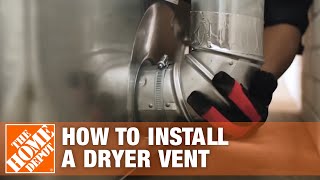
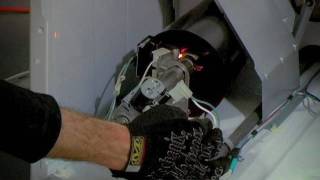
Related How-To Videos
Real DIY Repair Stories
Be the first to share your repair story!
Share Your Repair Story
Your experience helps other homeowners fix their appliances. Tell us how it went!
Can't Fix It Yourself? Find a Local Technician
It's perfectly okay to call a professional. Some repairs require specialized tools, deep teardowns, or dealing with complex systems that are better left to the pros.

Find the Right Part for Your Appliance
Don't guess — search your exact appliance model number at ProsourceParts.com to find the correct OEM compatible replacement part. They offer fast free shipping, guaranteed fit, and thousands of parts in stock.
Your Free Parts Videos
Whether your dishwasher won't drain, your dryer stopped heating, or your fridge isn't cold, we've created simple repair guides for the most common appliance problems homeowners face. Each guide explains what's going wrong, the most likely causes, and which replacement parts fix the issue. When you're ready to order, we link directly to ProsourceParts.com where you can search by model number and get the right part shipped fast.