
Whirlpool WDF330PAHW0 — Common Problems & What Parts Fix Them
Need the replacement part? Search your model number at for guaranteed fit and fast free shipping.
Understanding the Problem
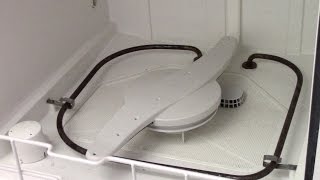
What this guide covers: This guide helps you diagnose and repair the most common issues on the Whirlpool WDF330PAHW0 built‑in dishwasher: won't start, won't drain, poor cleaning, leaks and unusual noises. Follow the numbered diagnostic steps below for each symptom and the practical repair steps to fix or replace the likely parts. A. Dishwasher won't start or won't run 1) Quick checks: Verify the dishwasher is getting power — test the outlet with another device and check the home's circuit breaker. Confirm the control lock (Child Lock) isn't activated. Try a one‑minute power cycle: turn off power at breaker for 60 seconds, turn back on, then try a cycle. 2) Door latch/door switch: If lights/touchpad show but cycle won't start, the door latch may not be making contact. Remove the inner door panel and inspect the latch for broken plastic or worn striker. Test latch switch for continuity with a multimeter; no continuity when latched = replace the latch assembly. 3) Control / user interface problems: If buttons respond but no motor activity, the electronic control or user interface may have failed. Inspect control board for burnt components or water damage. Test by swapping with known good board (if available) or measure expected voltages (only if comfortable and safe). 4) Thermal fuse / safety thermostat: If the dishwasher is entirely dead (no lights), a blown thermal fuse or tripped house GFCI/circuit breaker is possible. Locate the thermal fuse (if present) on or near the control board and test for continuity. Repair steps: Replace the faulty door latch, thermal fuse or electronic control as diagnosed. For control board replacement: cut power, remove inner door to access control, disconnect ribbon/cable harnesses, transfer any mounting hardware, install new board, and test. B. Dishwasher won't drain or displays water remaining 1) Simple checks first: Remove and clean the tub filter and sump screen. Check the drain hose for kinks or clogs. Verify garbage disposal knockout plug (if newly installed) is removed. 2) Inspect and test the drain pump: Run a drain diagnostic or start a drain cycle and listen—if pump hums but doesn't move water, it may be jammed or failed. Turn power off, remove lower kickplate, disconnect and remove drain pump. Manually check impeller for debris and test motor for continuity with a multimeter. 3) Check check‑valve and hoses: A failed check‑valve or collapsed hose will prevent draining. Replace damaged hoses and check valve if necessary. Repair steps: Clean debris, replace the drain pump if the motor has no continuity or impeller is broken. Reinstall hoses and ensure proper routing (no high loops below sink line, secure clamp to disposal). C. Poor cleaning / food left on dishes 1) Check water temperature and pressure: Hot water entering dishwasher should be ~120ºF. Run hot water at the sink before starting the dishwasher to boost inlet temperature. 2) Inspect spray arms & filters: Remove and clean spray arms, check for broken arms or clogged jets. Clean the coarse/fine filter assembly and sump area. 3) Water inlet valve: If dishwasher fills slowly or not enough water, test the inlet valve for continuity and proper water flow; replace if blocked or electrically open. 4) Circulation pump/motor: If water fills but does not circulate powerfully, the circulation pump may be failing. Test motor continuity and listen for weak/noisy operation. Repair steps: Clean or replace spray arms and filters, replace the water inlet valve (if flow is low) or circulation pump if it fails continuity or performance tests. D. Leaks from door or under tub 1) Inspect door gasket and inner door: Look for tears, crushed gasket, or food debris preventing a seal. Also inspect door hinge and alignment — sagging doors can cause leaks. 2) Hoses and connections: Check water inlet hose, drain hose, and clamps for loose fittings or cracks. Inspect the tub seams for visible cracks. 3) Pump/sump seal: If leak originates from bottom center, the sump/pump seals or gasket may have failed. Repair steps: Replace door gasket, realign door hinges, tighten or replace hoses/clamps, or replace pump/sump gasket if leak is from bottom. E. Excessive noise or humming 1) Source locating: Run the dishwasher and listen — humming from drain pump during drain is normal but loud grinding is not. Rattling may be loose racks or spray arm contact. 2) Motor bearings / impeller damage: If the motor makes grinding or shrieking noises, the pump/motor bearings or impeller are likely worn or jammed. Repair steps: Remove debris, replace the pump/motor assembly if bearings are worn or impeller damaged. General repair tips and how‑to fix items (common repairs): - Replacing the drain pump: Cut power and water, tip the dishwasher forward if needed, remove lower kickplate, disconnect pump harness and hoses, remove mounting screws/clips, replace with new pump (ensure proper hose routing and clamps), restore power and test a drain cycle. - Replacing door latch: Remove inner door panel screws, peel back inner door panel to access latch, unplug latch harness and remove screws, install new latch and test door switch for continuity before reassembly. - Replacing the water inlet valve: Turn off water and power, remove toe kick panel, disconnect water line and electrical connectors, unbolt valve and install new valve (use thread sealant where required), restore water and check for leaks. - Replacing electronic control: Disconnect power, remove inner door to access control assembly, carefully unlatch ribbon connectors and harnesses (note orientation), swap control boards and retest functions prior to reassembly. Safety note: Always disconnect electrical power at the breaker and shut off the water supply before opening the dishwasher. Use insulated tools and a multimeter rated for household use if testing live circuits; if you are not comfortable working with electricity or gas, hire a qualified appliance technician.
Common Symptoms
Won't start or run, won't drain, poor cleaning results, leaks at door or underside, loud or grinding noises during operation.
Common Causes
- Faulty door latch or door switch preventing cycle start
- Clogged filter/drain hose or failed drain pump
- Weak water inlet valve or low water temperature/pressure
- Worn circulation pump/impeller or failed motor bearings
- Damaged door gasket, loose hoses, or failed sump seal causing leaks
- Defective electronic control or thermal fuse
Popular Parts That Fix This Problem
These are the most common replacement parts that fix this problem. When you're ready to order, click below to find the right part at ProsourceParts.com — just search by your appliance model number for a guaranteed fit.

Helpful Repair Tip
If the dishwasher has power lights but won't start, check the door latch switch with a multimeter for continuity when latched — a failed latch is one of the most common and easy-to-confirm causes.
Frequently Asked Questions
How do I reset my Whirlpool WDF330PAHW0?
To reset: first try a simple power cycle — turn off power to the dishwasher at the circuit breaker for 60 seconds, then turn it back on. If the control has a Cancel/Drain or Reset option, press and hold per the user guide (often Cancel/Drain for 3–5 seconds). If the control is unresponsive after a power cycle, there may be a failed control board or blown thermal fuse.
Where do I find the model and serial number on the dishwasher?
Open the door and look on the inner door frame (top or side edge) or the tub frame near the door hinges. The model and serial plate sticker typically contains the full model number (WDF330PAHW0) and serial — use these when ordering parts or checking compatibility.
Related How-To Videos
Real DIY Repair Stories
Be the first to share your repair story!
Share Your Repair Story
Your experience helps other homeowners fix their appliances. Tell us how it went!
Can't Fix It Yourself? Find a Local Technician
It's perfectly okay to call a professional. Some repairs require specialized tools, deep teardowns, or dealing with complex systems that are better left to the pros.

Find the Right Part for Your Appliance
Don't guess — search your exact appliance model number at ProsourceParts.com to find the correct OEM compatible replacement part. They offer fast free shipping, guaranteed fit, and thousands of parts in stock.
Your Free Parts Videos
Whether your dishwasher won't drain, your dryer stopped heating, or your fridge isn't cold, we've created simple repair guides for the most common appliance problems homeowners face. Each guide explains what's going wrong, the most likely causes, and which replacement parts fix the issue. When you're ready to order, we link directly to ProsourceParts.com where you can search by model number and get the right part shipped fast.