
Whirlpool Washer LSR8233EQ0 Does Not Advance Cycles – What to Check and How to Fix It
Need the replacement part? Search your model number at for guaranteed fit and fast free shipping.
Understanding the Problem
Symptom summary: The washer completes one step (for example, fills or agitates) but the cycle doesn't advance to the next step (drain/spin) or the timer/controls appear stuck. This is commonly caused by a failed cycle advance mechanism (timer or electronic control), a bad lid switch, a faulty drive motor or motor coupling, or a mechanical shift/clutch problem. Below are step-by-step diagnostic and repair instructions you can follow. 1) Preliminary checks a. Unplug the washer or switch off the breaker before doing any work. Confirm power is off. b. Make sure the washer isn't in a diagnostic or locked mode (child lock or control lock). Refer to your manual for how to clear lock features. c. Run a quick observation cycle: set to a full wash and watch whether any controls change, whether the timer knob (if present) tries to advance, whether the motor runs continuously, and whether the lid switch actuates when closed. 2) Inspect simple and common items first a. Lid or door switch - Many top-load washers will not advance cycles if the lid switch doesn't detect the lid closed. Close the lid while listening for the click of the switch or test for continuity with a multimeter. If the switch fails, replace it. b. Check for error codes or flashing lights - Some electronic models flash codes that indicate a blocked drain, motor issue, or control fault. Note any flashing sequences and look them up in the service manual. 3) Diagnose the control/timer a. Mechanical timer models: the small timer motor advances the cam that moves cycles. If the timer motor is dead the timer won't advance. - Access the timer by removing the console or rear panel. With the washer unplugged, visually inspect for burned contacts or broken gears. Test the timer motor with a multimeter for continuity. If the motor has continuity but doesn't run when the washer is powered and in a step that should advance, the timer assembly is likely bad and should be replaced. b. Electronic control board models: the main board controls cycle advance. Inspect the control board for burnt components, cracked solder joints or swollen capacitors. If the board doesn't send the expected signals to the motor or to the timer motor, it may need replacement. 4) Check the drive system (motor, coupling, belt, clutch, gearcase) a. If the motor isn't spinning or is stalling, the control may not advance cycles because the mechanical transition (agitate to spin) didn't complete. - Observe whether the motor runs during agitation and whether it tries to switch to spin. If the motor hums but doesn't spin, test motor windings with an ohmmeter, inspect the motor start capacitor (if present), and inspect the motor coupling or belt for wear or breakage. b. Shift assemblies, clutch or gearcase failure - Many washers use a transmission/gearcase and a shift device or clutch that physically changes the washer from agitate to spin. If the shift mechanism is worn or the clutch is slipping, the washer may stay stuck and the timer may not advance. Inspect for broken or worn parts and replace as needed. 5) Step-by-step repair actions (practical fixes) a. Replace lid switch - Remove console or access panel to reach the lid switch. Unplug the wire harness, remove mounting screws and replace with the exact switch for your model. Reassemble and test. b. Replace timer or control board - Verify your model number and order the correct timer or board. Remove the console or control housing, take pictures of wiring, disconnect wires, unscrew the timer/board and install the replacement. Reconnect wiring exactly as before. Restore power and run test cycle. c. Repair drive components - If motor coupling (a plastic/rubber part) is broken, remove cabinet, separate tub from transmission, replace coupling and reassemble. If belt-driven, inspect and replace a worn belt. If gearcase or clutch is bad, replace the part per service manual. 6) Final verification - After replacing the suspected part, run a complete cycle (empty drum) to confirm the washer advances through fill, agitate, drain and spin. If the problem persists, re-check wiring, grounds, and rule out multiple concurrent faults. Safety note: Always disconnect power before probing internal components. Use insulated tools when checking live voltages and only perform live tests if you are comfortable and experienced with electrical testing. When in doubt, call a qualified service technician.
Common Symptoms
Washer stays in the same cycle (fills but doesn't agitate or drain, agitates but doesn't spin, or stops mid-cycle); timer knob or display doesn't change; motor runs continuously or not at all; no clicks or advances from control.
Common Causes
- Failed lid/door switch preventing cycle advance
- Bad timer motor or electronic control board that won't send advance signal
- Faulty drive motor, motor coupling, or belt causing the machine not to complete a step
- Worn shift actuator, clutch or gearcase preventing mechanical transition between cycles
Popular Parts That Fix This Problem
These are the most common replacement parts that fix this problem. When you're ready to order, click below to find the right part at ProsourceParts.com — just search by your appliance model number for a guaranteed fit.

Helpful Repair Tip
Listen for the timer motor or control relays: a working timer often makes a faint whirr or click when advancing. If you hear nothing at the point where the washer should advance, start by testing the lid switch and the timer/control first.
Frequently Asked Questions
How do I know whether the problem is the lid switch or the control board?
Start by testing the lid switch because it's simple and inexpensive. With power off, access the switch and test for continuity when the lid is closed. If the lid switch passes, observe whether the timer or control makes any attempt to advance (clicks, whirring) during a cycle. Use a multimeter to check whether the control sends voltage to the timer motor or main motor when it should advance. If the switch is good but the control isn’t sending signals, suspect the timer or main control board.
Can I run the washer with the lid switch bypassed to test the timer?
You can temporarily bypass the lid switch for short diagnostic tests to see if the timer advances, but it is unsafe to operate the washer long-term without the lid switch because it prevents spin with the lid open. If you bypass it, only run brief tests and restore the proper safety switch afterward.
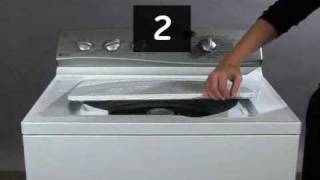
Related How-To Videos
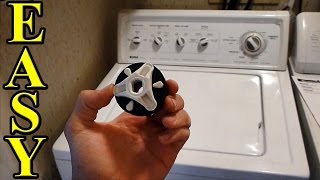


Real DIY Repair Stories
Be the first to share your repair story!
Share Your Repair Story
Your experience helps other homeowners fix their appliances. Tell us how it went!
Can't Fix It Yourself? Find a Local Technician
It's perfectly okay to call a professional. Some repairs require specialized tools, deep teardowns, or dealing with complex systems that are better left to the pros.

Find the Right Part for Your Appliance
Don't guess — search your exact appliance model number at ProsourceParts.com to find the correct OEM compatible replacement part. They offer fast free shipping, guaranteed fit, and thousands of parts in stock.
Your Free Parts Videos
Whether your dishwasher won't drain, your dryer stopped heating, or your fridge isn't cold, we've created simple repair guides for the most common appliance problems homeowners face. Each guide explains what's going wrong, the most likely causes, and which replacement parts fix the issue. When you're ready to order, we link directly to ProsourceParts.com where you can search by model number and get the right part shipped fast.