
Whirlpool MVWP575GWO — Common Problems, Diagnostics & What Parts Fix Them
Need the replacement part? Search your model number at for guaranteed fit and fast free shipping.
Understanding the Problem
This guide covers the most common problems owners see with the Whirlpool MVWP575GWO top‑load washer: won't start, won't spin/drain, leaks, excessive vibration/noise, and control/display errors. Below are practical diagnostic steps and step‑by‑step repair actions you can take. Always unplug the washer and turn off the water supply before working on it. 1) Basic checks (applies to all problems) — a) Verify power: plug into a known good outlet or test outlet with a multimeter. Check household breaker/fuse. b) Check model and serial tag (usually on the cabinet rim or behind the control panel) — note exact model to order parts. c) Run a diagnostic/service mode (see FAQ) to capture error codes; write down any F‑ or E‑codes shown. 2) Washer won't start or no power — a) Check the lid lock/lid switch: The washer will not begin spin/agitate if the lid lock fails. Manually listen for the lock to click when a cycle starts. b) Test for voltage at the control board connector for the lid lock when cycle starts (use wiring diagram). If no click and no continuity through the lid lock, replace lid lock/latch assembly. c) Inspect control panel and wiring for burn or water damage. d) If completely dead, test incoming power to control board; if board receives power but does not respond, consider control board replacement. 3) Washer won't spin or agitate — a) Verify load is balanced; remove some items and try a drain & spin. b) Check for foreign objects under the agitator or in the basket that can jam rotation. c) Inspect drive system: some Whirlpool top‑loads use a motor coupling or belt/drive system. If you hear motor running but no drum movement, suspect motor coupling (plastic gear coupling), broken belt, or a failed clutch. d) Test motor: with appropriate safety and wiring diagram, check for motor continuity and motor control signals. Replace drive belt, motor coupling, or clutch as required. 4) Washer won't drain — a) Run a drain/spin cycle and listen for the drain pump. b) Remove and inspect the drain hose and pump inlet for clogs (small articles, socks, coins). c) Remove and bench test the drain pump: apply 120V (or appropriate voltage per model) momentarily to confirm pump runs and can push water; if not, replace pump. d) Check the pump filter/trap area (if present) and clean. 5) Leaking water — a) Inspect water inlet hoses (back of washer) for loose clamps/cracks; tighten or replace hoses. b) Check tub-to-pump hose and pump housing for cracks. c) Inspect tub seal and spider (for front or certain top‑load designs) for corrosion and leakage. d) If leak occurs during fill, test inlet valve and hose connections; replace faulty valve or gasket. 6) Excessive vibration or noise — a) Ensure washer is level using a bubble level and adjust legs. b) Inspect suspension components (shocks or springs) and tub dampers for wear/ breakage; replace worn shocks or springs. c) Check bearings/spider assembly: a growling or loud rumbling during spin often indicates bad bearings/spider; replacement requires tub disassembly or entire tub/suspension assembly. 7) Error codes and control/display issues — a) Document any codes and consult service sheet for that model. b) Loose connectors between the control board and harness commonly cause intermittent errors — reseat connectors. c) Replace control board if it does not respond or if multiple unrelated errors occur after checking wiring. How to fix (example repairs) — A) Replace lid lock: unplug washer, move the control console back/up depending on design, remove screws holding lock, disconnect plug, swap in new lock, reassemble. B) Replace drain pump: unplug washer, tilt rear forward or access from front bottom service panel, disconnect hoses and wiring from pump, remove mounting screws/clips, install new pump, reconnect hoses and wiring, test on drain cycle. C) Replace suspension/shocks: support the tub, remove agitator (if required), unbolt lower access, disconnect old shock absorbers, install new shocks on upper and lower mounts, reassemble. D) Replace motor coupling or belt: remove cabinet/top per service manual, remove agitator and transmission cover, remove and replace coupling or belt, reassemble. Safety note: Water and electricity together are dangerous. Always unplug the appliance and shut off the water supply before opening panels or disconnecting hoses. Use proper tools, eye protection, and gloves. If you are uncomfortable with electrical tests, pump bench testing, or disassembling the cabinet, hire a qualified appliance technician.
Common Symptoms
Washer won't start or respond, won't spin or agitate, won't drain, leaks during cycle, loud rumbling or banging during spin, and intermittent error codes or control panel failures.
Common Causes
- Failed lid lock or lid switch preventing cycle start
- Clogged or failed drain pump or hoses preventing water removal
- Failed drive components (motor coupling, belt, clutch) preventing drum rotation
Popular Parts That Fix This Problem
These are the most common replacement parts that fix this problem. When you're ready to order, click below to find the right part at ProsourceParts.com — just search by your appliance model number for a guaranteed fit.

Helpful Repair Tip
Run the washer's diagnostic mode to capture error codes and listen during a drain/spin cycle—if you hear the motor but the tub doesn't turn, suspect the drive coupling or belt; if you hear nothing at the drain pump location but tub fills, suspect a clogged or failed drain pump.
Frequently Asked Questions
How do I run diagnostic/service mode on the MVWP575GWO?
Most Whirlpool top‑load models have a built‑in service mode that displays error codes. The exact button sequence varies by model—commonly it involves pressing specific control buttons in sequence (e.g., Signal + Soil + Temp or similar). Because sequences differ, look at the washer's tech sheet (behind the control panel or attached to the cabinet) for the exact procedure for MVWP575GWO. If you can't access the tech sheet, note any blinking lights or F/E codes and contact a technician or Whirlpool support with the model number.
Is it worth repairing an older Whirlpool MVWP575GWO or should I replace it?
Consider repair if the problem is a single inexpensive part (drain pump, lid lock, inlet valve, shocks) and the washer is otherwise in good shape. If the control board, motor, or tub bearing/spider assembly needs replacement, costs can add up—compare repair cost to replacement prices. Also factor in age, frequency of past repairs, and energy/water efficiency. If the washer is under 8–10 years and the failure is a common serviceable part, repair is usually cost‑effective.
Related How-To Videos
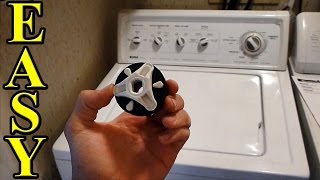
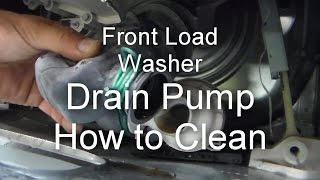
Real DIY Repair Stories
Be the first to share your repair story!
Share Your Repair Story
Your experience helps other homeowners fix their appliances. Tell us how it went!
Can't Fix It Yourself? Find a Local Technician
It's perfectly okay to call a professional. Some repairs require specialized tools, deep teardowns, or dealing with complex systems that are better left to the pros.

Find the Right Part for Your Appliance
Don't guess — search your exact appliance model number at ProsourceParts.com to find the correct OEM compatible replacement part. They offer fast free shipping, guaranteed fit, and thousands of parts in stock.
Your Free Parts Videos
Whether your dishwasher won't drain, your dryer stopped heating, or your fridge isn't cold, we've created simple repair guides for the most common appliance problems homeowners face. Each guide explains what's going wrong, the most likely causes, and which replacement parts fix the issue. When you're ready to order, we link directly to ProsourceParts.com where you can search by model number and get the right part shipped fast.