
Whirlpool MVWB300WQ0 Washer – Common Problems and How to Fix Them
Need the replacement part? Search your model number at for guaranteed fit and fast free shipping.
Understanding the Problem
The Whirlpool MVWB300WQ0 is a top-load high-efficiency washer (Cabrio-style). Owners commonly see problems like failure to drain, no spin, long drain / error codes, water leaks, or the lid not locking. The steps below walk you through diagnosing the most common causes and practical repairs you can do at home. 1) Basic checks (do before disassembly) a. Unplug the washer and shut off the water supply. Safety first. b. Check the drain hose for kinks, high loops, or clogs. Remove the hose from the standpipe and look for blockages. c. Inspect the washer’s exterior for visible leaks, and under the tub for pooled water (run a short cycle if you need to locate the leak, with towels ready). d. Take note of any error codes displayed (e.g., dL, LoUd, F8, F9, SUDS). Write them down — they narrow the problem. 2) Not draining / slow draining a. Remove power and tilt washer back slightly to access the drain pump area or remove lower access panel (if equipped). Place towels/bucket beneath. b. Disconnect and inspect the drain pump hose and the pump inlet for lint, coins, or garment fibers. Remove debris. c. If pump impeller is jammed, try to free it manually. If the impeller is broken or the pump does not run when powered, replace the drain pump. d. Test: Reconnect and run a drain cycle. If it drains, the problem is solved. If still not, test pump continuity with a multimeter (expect low ohms; open/OL = failed). 3) Washer won’t spin / slow spin / noisy during spin a. Check for load imbalance. Run a smaller balanced load. b. Inspect shock absorbers/suspension rods and tub bearings by putting machine in service spin mode (or gently try to rock the drum). Replace broken shocks or suspension rods if tub sloshes excessively. c. Listen for grinding/clunking — could be worn drive coupling, motor, or gearcase. On MVWB series, inspect the drive components (access requires removing cabinet). If the belt or coupling is damaged, replace it. d. Verify lid lock/actuator: a defective lid lock prevents spin. Test lid lock for continuity and replace if it fails. 4) Washer won’t start / no power to controls / unresponsive controls a. Verify wall outlet has power (plug in a lamp). Check house circuit breaker. b. Try a power reset: unplug 1 minute, plug back in. Some control glitches clear with a reset. c. If controls still dead, inspect the main control board and wiring harness for burn marks or loose connectors. Replace control board if diagnostics point to it. 5) Water leaks a. Inspect inlet hoses and clamps for loose fittings or cracks. Tighten or replace hoses if they are old or bulged. b. Check tub-to-pump hose and drain hose connections for secure clamps. Replace split hoses. c. Inspect the water inlet valve for dripping when off — leaking inlet valve can allow water to trickle in; replace if leaking. 6) Error codes and diagnostics a. Record the exact code. Common codes: dL (door/lid lock), LoUd (unbalanced), F8/F9 series related to motor/communication. b. Enter diagnostic/service mode (refer to manual for exact key sequence; usually a combination of cycle and start buttons). Run component tests for pump, valves, and motor. c. Use the diagnostics to isolate a failed component before replacing parts. 7) Reassembly and testing a. After repairs, reassemble panels and reconnect hoses. Restore power and run a test wash with no clothes to verify drains, fills, spin and no leaks. b. If problem recurs, re-check codes and wiring connections. Safety note: Always unplug the washer and turn off the water supply before doing any internal inspections or repairs. Use proper tools, support the cabinet if you remove the top or front panel, and wear gloves and eye protection. If you’re uncomfortable with electrical or extensive mechanical repairs, call a qualified appliance technician.
Common Symptoms
Washer does not drain, does not spin, won't start, displays lid-lock or balance error codes, leaks from base or hoses, or becomes excessively noisy during spin.
Common Causes
- Clogged or obstructed drain pump or drain hose
- Faulty lid lock or lid lock switch preventing spin
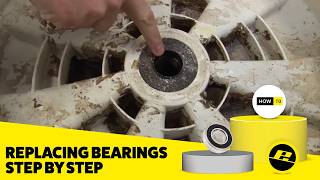
- Worn suspension/shock absorbers or tub bearings causing imbalance
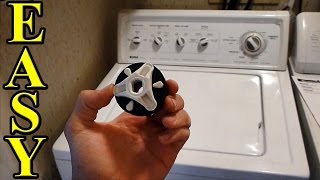
- Failing drain pump or drive components (motor/coupling/belt)
- Leaking water inlet valve or cracked hoses
- Electronic/control board or wiring failure
Popular Parts That Fix This Problem
These are the most common replacement parts that fix this problem. When you're ready to order, click below to find the right part at ProsourceParts.com — just search by your appliance model number for a guaranteed fit.
Helpful Repair Tip
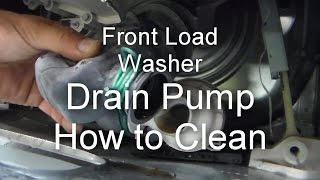
To confirm a faulty drain pump: remove the pump access panel, try to spin the pump impeller manually, then run a drain cycle while listening—if you hear the motor hum but the impeller doesn’t turn, the pump is likely seized and needs replacement.
Frequently Asked Questions
How do I reset my MVWB300WQ0 washer when it acts up?
Unplug the washer or switch off the breaker for 1 minute to power-cycle the control board. Plug it back in and try a short spin/drain cycle. If an error code appears, note it — a simple reset won’t fix hardware failures.
My MVWB300WQ0 won’t spin and shows a lid lock error — do I need a new lid lock?
Not always. First check the lid strike and latch are clean and not obstructed and try a power reset. If the lid lock doesn’t click or you measure no continuity across the lock during diagnostics, replace the lid lock assembly. Use diagnostics to confirm the control is sending lock power before replacing.
Related How-To Videos
Real DIY Repair Stories
Be the first to share your repair story!
Share Your Repair Story
Your experience helps other homeowners fix their appliances. Tell us how it went!
Can't Fix It Yourself? Find a Local Technician
It's perfectly okay to call a professional. Some repairs require specialized tools, deep teardowns, or dealing with complex systems that are better left to the pros.

Find the Right Part for Your Appliance
Don't guess — search your exact appliance model number at ProsourceParts.com to find the correct OEM compatible replacement part. They offer fast free shipping, guaranteed fit, and thousands of parts in stock.
Your Free Parts Videos
Whether your dishwasher won't drain, your dryer stopped heating, or your fridge isn't cold, we've created simple repair guides for the most common appliance problems homeowners face. Each guide explains what's going wrong, the most likely causes, and which replacement parts fix the issue. When you're ready to order, we link directly to ProsourceParts.com where you can search by model number and get the right part shipped fast.