
Whirlpool MTW5840TW0 Washer — Common Problems, Diagnostics & Repairs
Need the replacement part? Search your model number at for guaranteed fit and fast free shipping.
Understanding the Problem
The MTW5840TW0 is a Whirlpool top-load washer. Owners commonly see a few recurring problems: washer won't start, won't fill, won't agitate, won't spin or drain, noisy operation, and leaks. Below are likely causes and practical step-by-step diagnostics and repairs for each major symptom. 1) Washer won't start or respond 1.1 What to check first: power, control lock, lid switch. 1.2 Steps: a. Unplug the washer or shut off the breaker. Confirm power at the outlet with a multimeter or plug in a known-good device. b. Make sure Control Lock/Child Lock is off (press and hold 'Control Lock' if present). c. Check the lid switch: open lid and press the switch (or access the switch with the console removed). Test for continuity with a multimeter. If no continuity when lid closed, replace the lid switch assembly. d. If the lid switch is OK, enter diagnostic mode (see FAQ below) to see error codes. If the console is unresponsive or shows erratic behavior, the control board or user interface/control board may be faulty. e. Replace faulty user interface or main control only after confirming power, wiring harness continuity, and verifying fault codes. 2) Washer fills but does not agitate 2.1 Likely causes: worn agitator dogs (drive coupling), failed agitation clutch, drive motor, or broken top agitator spline. 2.2 Steps: a. Remove agitator (typically pull center cap, remove bolt, use puller or firm pull). Inspect plastic agitator dogs (small one-way clutch pawls) for wear or missing pieces. b. If dogs are worn, replace the agitator repair kit (dogs and cam). Clean inside of agitator and base. c. If dogs are good, test the motor by entering service mode or by checking for voltage at the motor during an agitate cycle. If motor gets voltage but doesn't run, replace motor or motor coupling. d. Inspect motor coupling (if present) between motor and transmission—replace if broken. 3) Washer won't spin or drain 3.1 Likely causes: clogged or failed drain pump, blocked drain hose, faulty lid switch, or failed drive motor/transmission. 3.2 Steps: a. Run a drain/spin cycle and listen. If you hear humming but no water movement, the pump may be jammed. b. Unplug washer, remove lower access or back panel, locate drain pump and check discharge hose for clogs and kinks. Remove foreign debris from pump housing and impeller. Verify pump impeller rotates freely. c. Test pump motor for continuity. Replace pump if it has no continuity or is noisy/damaged. d. Confirm lid switch continuity (a tripped/open lid switch will often prevent spin). Replace if faulty. e. If pump and lid switch are good but no spin, test for motor voltage during spin. If voltage present and motor does not run, suspect motor, capacitor (if present), or transmission. 4) Washer leaks 4.1 Likely causes: loose hose clamp, cracked tub-to-pump hose, worn water inlet valve, worn tub seal. 4.2 Steps: a. Identify where leak originates—front, back, or underneath. Run a short cycle and observe carefully. b. If leak from back, check inlet hoses and clamps. Tighten or replace hoses, and replace washers if needed. c. If leak from bottom, inspect tub-to-pump hose and drain pump gasket. Replace hose or pump if cracked. d. If leak from around the agitator or center post, inspect the tub seal or internal hub. That requires partial disassembly of cabinet and transmission access—replace seals as needed. 5) Noisy operation / excessive vibration 5.1 Likely causes: worn bearings, bad shock/suspension rods, foreign object in tub or pump, or unbalanced loads. 5.2 Steps: a. Check for coins/small objects in tub and pump basket—remove debris. b. Inspect suspension/spring rods for wear/bending; replace if soft or broken. c. Check tub bearings by manually turning the inner tub—grinding or roughness indicates bearing wear and requires bearing and seal replacement (major repair). d. Ensure the washer is level front-to-back and side-to-side and feet are firmly on floor. General repair tips and order of checks: - Always confirm basic power and water supply first. - For "won't start" or "won't spin" issues check lid switch and user interface before motor/transmission. - For agitation problems, remove the agitator and inspect dogs/cam first—this is an inexpensive, common fix. - For drainage problems, check hoses and pump impeller for foreign objects before replacing pump. Safety note: Always unplug the washer and shut off water supply before disassembling. Use caution when working around sharp sheet metal. If you're not comfortable dropping the cabinet or working with electrical components, hire a qualified appliance technician.
Common Symptoms
Washer won't start, won't fill, won't agitate, won't spin/drain, leaks, loud noises or excessive vibration during cycles.
Common Causes
- Faulty lid switch or control board preventing operation
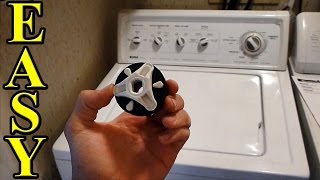
- Worn agitator dogs or drive coupling causing no agitation
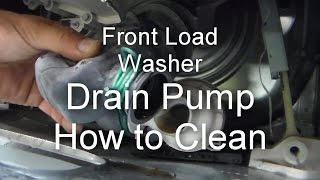
- Clogged or failed drain pump or kinked drain hose preventing draining
Popular Parts That Fix This Problem
These are the most common replacement parts that fix this problem. When you're ready to order, click below to find the right part at ProsourceParts.com — just search by your appliance model number for a guaranteed fit.

Helpful Repair Tip
If the washer fills and drains but won't agitate, remove the agitator and inspect the small plastic agitator dogs/cam—worn dogs are the most common cause and are inexpensive to replace.
Frequently Asked Questions
How do I put the MTW5840TW0 into diagnostic/service mode to read error codes?
Enter diagnostic mode by starting with the washer OFF, then press a specific sequence of buttons on the console (manufacturer sequences vary). Because the exact button sequence can differ between panels, look up the service manual for MTW5840TW0 or check the sticker behind the console for service mode instructions. The diagnostic mode will run tests and display fault codes that help pinpoint the failed component.
Can I fix common MTW5840TW0 problems myself, or should I call a technician?
Many common repairs—replacing the lid switch, drain pump, inlet valve screens, agitator dogs, and replacing hoses—are doable by a competent DIYer with basic tools and a multimeter. Major repairs such as transmission replacement, bearing and seal replacement, or extensive electrical troubleshooting are more advanced and typically worth hiring a qualified appliance technician.
Related How-To Videos
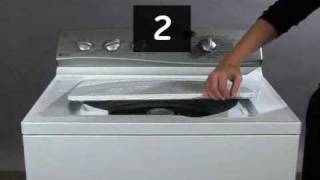
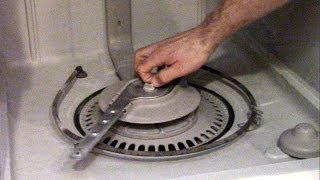
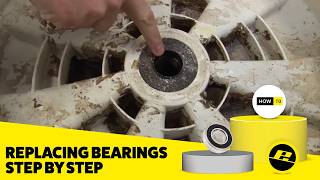

Real DIY Repair Stories
Be the first to share your repair story!
Share Your Repair Story
Your experience helps other homeowners fix their appliances. Tell us how it went!
Can't Fix It Yourself? Find a Local Technician
It's perfectly okay to call a professional. Some repairs require specialized tools, deep teardowns, or dealing with complex systems that are better left to the pros.

Find the Right Part for Your Appliance
Don't guess — search your exact appliance model number at ProsourceParts.com to find the correct OEM compatible replacement part. They offer fast free shipping, guaranteed fit, and thousands of parts in stock.
Your Free Parts Videos
Whether your dishwasher won't drain, your dryer stopped heating, or your fridge isn't cold, we've created simple repair guides for the most common appliance problems homeowners face. Each guide explains what's going wrong, the most likely causes, and which replacement parts fix the issue. When you're ready to order, we link directly to ProsourceParts.com where you can search by model number and get the right part shipped fast.