
Whirlpool LGQ9030PQ1 Dryer — Common Problems and How to Fix Them
Need the replacement part? Search your model number at for guaranteed fit and fast free shipping.
Understanding the Problem
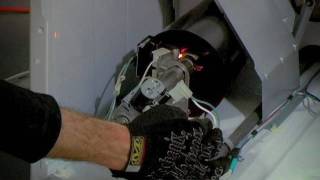
This guide covers the most common faults owners encounter with the Whirlpool LGQ9030PQ1 dryer — no heat or long drying times, dryer won't tumble, loud noises, and failure to start. Below are targeted diagnostic steps and practical repair actions you can take. 1) Identify the symptom first: separate heating issues from mechanical/tumble issues and from control/electrical faults. 2) Check basic housekeeping items: lint screen, venting, and power/gas supply. Blocked vents or insufficient electrical/gas supply mimic many “parts” problems. 3) For no-heat or long dry times (electric or gas): a) Verify power/gas: electric dryers need 240V at the terminal block (use a multimeter); gas dryers need uninterrupted gas supply and a working gas shutoff valve and hose. b) Clean lint screen and disconnect and inspect the exhaust vent and outside vent hood for blockage — restricted airflow often causes long dry times. c) Test the thermal fuse: on many Whirlpool models the thermal fuse opens when the dryer overheats. With the dryer unplugged, remove the fuse and check continuity with a multimeter; replace if open. d) Check the heating element (electric) for continuity and visible breaks; replace if open. For gas dryers, test the igniter and gas valve coils: a cracked igniter or failed coils will prevent ignition. 4) For dryer not tumbling: a) Confirm power to drum motor; b) Inspect the drive belt for breakage; c) Check drum rollers/idler pulley and motor pulley for seized bearings; replace worn rollers/idler/belt. 5) For loud noises: a) Spin the drum by hand with the dryer off; listen/feel for rough or squealing bearings — drum rollers or rear drum bearing likely. b) Worn idler or motor bearings or a failing blower wheel can also cause noise—inspect and replace the worn part. 6) For control or electrical faults (no power, won’t start, runs but won’t heat): a) Check house breaker/fuse and outlet. b) Test door switch for continuity—dryer won’t run if door switch is bad. c) Check start switch, timer, and electronic control board for burnt connectors or failed outputs. 7) Replace only the failed part and reassemble carefully; always follow step-by-step removal instructions for your model to avoid damaging clips or wiring harnesses. Safety note: Always disconnect electrical power BEFORE opening the dryer. For gas models, turn off the gas supply and ensure proper reconnection and leak testing after repair. If you are not comfortable testing gas components or working with 240V power, hire a qualified technician.
Common Symptoms
No heat or weak heat (long dry times), dryer won’t tumble or start, loud squealing or thumping noises, or intermittent operation.
Common Causes
- Clogged lint screen or exhaust vent causing poor airflow
- Failed thermal fuse, heating element (electric) or igniter/gas valve (gas)
- Worn drive belt, drum rollers, idler pulley, or motor failure
Popular Parts That Fix This Problem
These are the most common replacement parts that fix this problem. When you're ready to order, click below to find the right part at ProsourceParts.com — just search by your appliance model number for a guaranteed fit.

Helpful Repair Tip
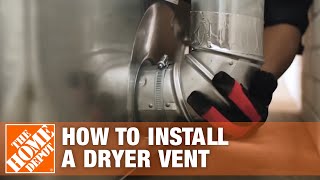
First confirm whether the issue is airflow-related: remove the lint screen, unplug the dryer, disconnect the vent at the back, and run a short air-only cycle — if drying improves with the vent disconnected, clean/replace the vent or ducting before replacing parts.
Frequently Asked Questions
How do I tell if my LGQ9030PQ1 is gas or electric?
Check the back of the dryer: gas dryers have a metal gas inlet and usually a smaller power cord (120V) plus a gas connection; electric dryers have a 240V power cord and a larger electrical terminal block. If you still aren’t sure, check the model plate (usually on the door opening or rear panel) — the model number and a label will indicate 'Type: Gas' or show required electrical rating.
Is it worth repairing an older dryer like the LGQ9030PQ1?
That depends on the fault and the dryer's condition. Simple, inexpensive parts (belt, rollers, thermal fuse, igniter) are usually worth replacing. If the repair involves a costly control board or motor and the dryer is very old, compare the repair cost to replacement. Also factor in safety (gas leaks, worn drum bearings) and energy efficiency — sometimes replacement is the better long-term choice.
Related How-To Videos
Real DIY Repair Stories
Be the first to share your repair story!
Share Your Repair Story
Your experience helps other homeowners fix their appliances. Tell us how it went!
Can't Fix It Yourself? Find a Local Technician
It's perfectly okay to call a professional. Some repairs require specialized tools, deep teardowns, or dealing with complex systems that are better left to the pros.

Find the Right Part for Your Appliance
Don't guess — search your exact appliance model number at ProsourceParts.com to find the correct OEM compatible replacement part. They offer fast free shipping, guaranteed fit, and thousands of parts in stock.
Your Free Parts Videos
Whether your dishwasher won't drain, your dryer stopped heating, or your fridge isn't cold, we've created simple repair guides for the most common appliance problems homeowners face. Each guide explains what's going wrong, the most likely causes, and which replacement parts fix the issue. When you're ready to order, we link directly to ProsourceParts.com where you can search by model number and get the right part shipped fast.