
Whirlpool GU2275XT VQ3 Dishwasher — Troubleshooting, Common Failures, and How to Fix Them
Need the replacement part? Search your model number at for guaranteed fit and fast free shipping.
Understanding the Problem
This guide covers the most common problems owners see with the Whirlpool GU2275XT VQ3 dishwasher: won't start, won't fill, won't drain, poor cleaning, leaks, and loud/noisy operation. Below are prioritized checks and clear step-by-step diagnostic and repair instructions so you can find and fix the fault. 1) Before you start (quick checks) a. Disconnect power: Turn off breaker or unplug the dishwasher. b. Check for error codes or flashing lights on the control panel — note any pattern. c. Check house water supply: make sure the kitchen supply valve is fully open. 2) Dishwasher won't start or doesn't respond a. Check door latch/strike: If door doesn't lock properly the dishwasher won't start. Inspect for broken latch, loose screws, or a misaligned strike. - How to fix: Remove inner door panel screws, inspect latch assembly, replace the latch if broken. Many start failures are fixed by replacing the latch/door switch assembly. b. Check control lock or child lock: Disable lock per owner's manual. c. Test power: Use a multimeter at the terminal block to verify 120 VAC is present when the cycle is started. - How to fix: If no power, check household breaker, wiring from junction box, and terminal block connections. d. Test door switch for continuity with a multimeter; replace if open when door closed. 3) Dishwasher fills slowly or not at all a. Check water supply to the house and the shutoff valve to the dishwasher. b. Inspect the water inlet valve (solenoid). If the dishwasher gets little or no water or takes very long to fill, the inlet valve is a common failure. - How to test: Remove the inlet valve and test solenoids for continuity. Inspect for debris in the valve screen. - How to fix: Replace the inlet valve if solenoids are open or valve is clogged/damaged. c. Check the float assembly and float switch (in the tub base). If the float is stuck in the up position it will prevent filling. - How to fix: Clean around float and replace the float switch if it has no continuity when lifted/lowered correctly. 4) Dishwasher doesn't drain or water remains at the bottom a. Check the air gap (if present) and the garbage disposal connection for blockage. b. Inspect the drain hose for kinks or clogs and verify proper high-loop or air gap is installed. c. Test the drain pump: If you can hear the pump hum but no water moves, the pump may be clogged or failed. - How to test: Remove lower kickplate, access the pump, inspect for debris (glass, food, packaging). Use a multimeter to check pump continuity. - How to fix: Remove debris; replace the drain pump assembly if the motor has no continuity or runs but doesn't pump. 5) Poor cleaning or spray arm issues a. Clean filters and sump: Remove and clean the coarse filter, fine filter, and inspect the sump for clogs. b. Inspect spray arms for jammed rotation or clogged jets. Remove and rinse spray arms; clear blockages with a paperclip and soak if necessary. c. Verify the circulation motor is running during the wash cycle. A weak or failed circulation motor will cause poor cleaning. - How to test: Listen for motor during wash, use a multimeter to check motor continuity, and run diagnostics if available. - How to fix: Replace circulation motor/impeller assembly if defective. 6) Dishwasher leaks around door or under tub a. Inspect door gasket/boot for cracks, deformation, or food buildup causing an improper seal. - How to fix: Clean the gasket and replace if damaged. b. Check door hinge and strike alignment; a badly aligned door can cause leaks. - How to fix: Adjust hinges and replace worn components. c. Inspect water inlet hose, drain hose, pump seals, and tub seams for leaks. Tighten hose clamps and replace any damaged hoses or pump seals. 7) Noisy dishwasher (grinding, rattling, or loud humming) a. Rattling: Check dishes and utensil basket for items hitting spray arms. Ensure spray arms are installed correctly. b. Grinding or loud hum: Could be a failing circulation pump motor or drain pump bearings. - How to test: Run a cycle and try to isolate noise source from under the tub. If noise comes while the wash pump should be running, likely a pump/motor issue. - How to fix: Replace the noisy pump or motor assembly. 8) Heating issues (not drying or not sanitizing) a. Check the heating element (if model uses a visible element) or the thermal fuse/thermostat for continuity. b. Some Whirlpool models use a DC control module to manage heating — test the element for continuity and look for visible damage. - How to fix: Replace heating element or thermostat/thermal fuse if open. 9) Control board or electronic faults a. If multiple unrelated functions fail (no fill, no drain, no start) the main control board or user interface board may be faulty. - How to test: Check for obvious burnt components, swollen capacitors, or water damage. Run any built-in diagnostics described in the manual. - How to fix: Replace the control board or console as necessary. Safety note: Always disconnect power at the breaker before opening panels or handling electrical components. Turn off water supply before replacing any water connections. If you are not comfortable with electrical testing or replacing components, contact a qualified appliance technician.
Common Symptoms
Won't start, won't fill, won't drain, poor cleaning, leaking from door or bottom, loud operation, and dishwasher not drying/sanitizing.
Common Causes
- Faulty door latch or door switch
- Clogged or failed water inlet valve
- Blocked filter, spray arms, or drain hose
- Failed drain or circulation pump
- Worn door gasket or misaligned door
- Defective control board or thermal components
Popular Parts That Fix This Problem
These are the most common replacement parts that fix this problem. When you're ready to order, click below to find the right part at ProsourceParts.com — just search by your appliance model number for a guaranteed fit.

Helpful Repair Tip
If the machine hums but doesn't start the wash, open the lower access panel and try to manually turn the circulation impeller; if the motor hums and the impeller is stuck or the drain pump is jammed, that part is the likely culprit.
Frequently Asked Questions
Why is my Whirlpool GU2275XT VQ3 dishwasher not draining?
Common causes: clogged filter or garbage disposal, kinked or clogged drain hose, blocked air gap, or a failed drain pump. Start by removing and cleaning the filters and checking the disposal connection. Inspect and clear the drain hose, then test the drain pump for debris and electrical continuity. Replace the drain pump if it has no continuity or is mechanically stuck.
How do I reset my Whirlpool dishwasher if it's not responding or shows an error?
Basic reset: turn the dishwasher off, flip the breaker off for 60 seconds, then restore power and try a cycle. Also check for a control lock/child lock on the console and consult the manual for any specific diagnostic or service mode for your model. If problems persist after a power reset, the issue may be a failed control board or a faulty sensor that needs testing.
Related How-To Videos
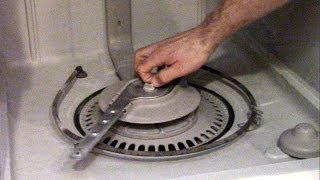
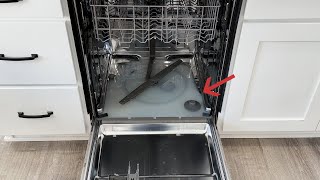
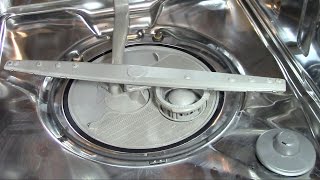
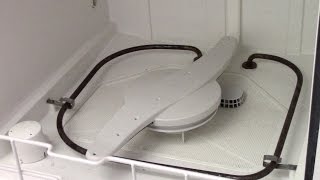

Real DIY Repair Stories
Be the first to share your repair story!
Share Your Repair Story
Your experience helps other homeowners fix their appliances. Tell us how it went!
Can't Fix It Yourself? Find a Local Technician
It's perfectly okay to call a professional. Some repairs require specialized tools, deep teardowns, or dealing with complex systems that are better left to the pros.

Find the Right Part for Your Appliance
Don't guess — search your exact appliance model number at ProsourceParts.com to find the correct OEM compatible replacement part. They offer fast free shipping, guaranteed fit, and thousands of parts in stock.
Your Free Parts Videos
Whether your dishwasher won't drain, your dryer stopped heating, or your fridge isn't cold, we've created simple repair guides for the most common appliance problems homeowners face. Each guide explains what's going wrong, the most likely causes, and which replacement parts fix the issue. When you're ready to order, we link directly to ProsourceParts.com where you can search by model number and get the right part shipped fast.