
Whirlpool GTW465ASNOWW — Common Problems & What Parts Fix Them
Need the replacement part? Search your model number at for guaranteed fit and fast free shipping.
Understanding the Problem
The Whirlpool GTW465ASNOWW is a top-load washer that commonly shows a handful of repeat issues as it ages: won’t start or respond, won’t fill, won’t drain or spin, loud noises during agitate/spin, and excessive vibration or leaks. Below is a practical, prioritized troubleshooting guide and repair steps for each major symptom. Follow steps in order — perform the quick checks first, then proceed to the more invasive tests if needed. 1) Washer won’t start or won’t advance through cycles - Quick checks: 1. Unplug the washer or turn off power at the breaker. Inspect the house breaker/fuse and reset if tripped. 2. Check the lid switch/latch — top-load washers will not run if the lid switch is faulty. Open/close the lid and listen for a click. If no click, the switch may be bad. - Diagnostic steps: 1. Remove power and access the lid switch (usually under the top panel near the lid hinge). Use a multimeter to check continuity when the lid is closed. No continuity = replace the lid switch assembly. 2. If lid switch checks good, run the washer’s diagnostic/self-test mode (see manual) to show error codes. Note any F-codes or E-codes and look them up. 3. If the control board does not respond to cycle selections but has power, inspect wiring harness between console and user interface and check for burned connectors. - Repair steps: 1. Replace the lid switch assembly if failed (unplug, remove top panel, unplug switch, remove screws, install new switch, reverse). 2. If codes point to control or user interface failures, replace the affected board following manufacturer instructions. 2) Washer won’t fill or fills slowly / runs but no water - Likely causes: clogged inlet screens, failed water inlet valve, water pressure issue, faulty pressure switch (water level sensor). - Diagnostic steps: 1. Confirm hot/cold water supply valves are fully open and hoses not kinked. Test water flow into a bucket to confirm household pressure. 2. Turn off water, disconnect fill hoses at the washer, and inspect/remove the little mesh filters/screens inside the inlet valve ports — clean or replace if clogged. 3. With power connected and a cycle calling for fill, listen for the inlet valve energizing (a buzz). If you get water pressure but valve does not open, the valve is faulty. 4. If the washer overfills or underfills, check the pressure hose to the pressure switch for blockages or cracks. - Repair steps: 1. Replace the water inlet valve if screens clean but valve won’t open (unplug, turn off water, disconnect hoses, remove valve manifold, install replacement, reconnect hoses). 2. Replace a defective pressure switch or its hose if damaged. 3) Washer won’t drain or spin (clothes wet after cycle) - Likely causes: clogged drain hose/standpipe, jammed/clogged drain pump, failed drain pump motor, lid switch, or motor coupler/drive system. - Diagnostic steps: 1. Run a drain/spin cycle and listen for the drain pump. If silent or buzzing, suspect pump failure or jam. 2. Inspect the drain hose and the house standpipe for clogs. Remove and clear if needed. 3. Access the pump (usually at the front lower section). Check for objects, lint, or coins jamming the impeller. Manually spin impeller; it should turn freely. 4. Use a multimeter to check pump motor continuity. No continuity = pump motor likely bad. - Repair steps: 1. Remove and clean obstructions from the pump and drain hose. Reinstall and test. 2. If pump motor is dead or impeller damaged, replace the drain pump (unplug, remove lower access panel, disconnect hoses/wires, unbolt pump, install new pump, reconnect). 3. If pump good but motor won’t engage in spin, check lid switch and motor coupler or drive assembly. 4) Loud noise during agitate or spin / grinding or scraping - Likely causes: foreign object in tub/drain pump, worn bearings or transmission (gearcase), faulty drive coupling (on some models), worn suspension/shocks or tub balancing ring. - Diagnostic steps: 1. During an agitate cycle, listen and try to locate the source — front/bottom (pump/drive) vs middle (tub bearings/transmission) vs top (agitator). 2. Remove the agitator and inspect for foreign objects in the transmission area (some small objects get lodged under the agitator). 3. Check the drain pump and tub for debris. 4. If noise is a deep grinding during spin and increases with load, suspect bearings/gearcase failure. - Repair steps: 1. Remove any foreign objects and test. Many noises are fixed by clearing a coin or sock from the pump area. 2. Replace worn shocks or suspension springs if excessive slosh or banging causes intermittent noise. 3. If gearcase/transmission is failing (metallic grinding, oil leakage), replace the gearcase assembly — this is a heavy repair that may be worth a service call. 5) Excessive vibration or washer walks across floor - Likely causes: load imbalance, damaged or worn suspension/shock absorbers, uneven floor, feet not adjusted, shipping bolts left in tub. - Diagnostic steps and fixes: 1. Verify washer is level: use a torpedo level, adjust the four leveling legs until stable and slightly compressing the legs on all corners. 2. Confirm no shipping bolts remain installed (new machines sometimes shipped with transit bolts). 3. Check/replace worn suspension rods or shock absorbers (unplug, remove cabinet, support tub, lift out tub to access and replace shocks). 4. Inspect the flooring — soft or uneven floors amplify vibration. General diagnostic tips (order of operations) 1. Always unplug the washer before opening panels. Turn off water at the inlet valves when working the plumbing. 2. Start with obvious, low-cost checks: reset breakers, check inlet hoses, clear clogs in drain hose, listen for pump and inlet valve operation. 3. Use the washer’s diagnostic mode for error codes—these often point directly to failed components. 4. Use a multimeter to check continuity of suspect switches (lid switch, pressure switch, motor windings, pump motor) before ordering parts. 5. Keep track of wires and take photos during disassembly for correct reassembly. Safety note: Always disconnect power before accessing internal components. Water and electricity together can cause shock. If a repair requires working on the motor, gearcase, or control board and you are uncomfortable, hire a qualified appliance technician.
Common Symptoms
Won’t start; won’t fill; won’t drain or spin; loud grinding or banging during cycles; excessive vibration or leaking.
Common Causes
- Faulty lid switch preventing motor start
- Clogged inlet screens or failed water inlet valve
- Clogged or failed drain pump
- Worn suspension/shocks or failing transmission/gearcase
Popular Parts That Fix This Problem
These are the most common replacement parts that fix this problem. When you're ready to order, click below to find the right part at ProsourceParts.com — just search by your appliance model number for a guaranteed fit.
Helpful Repair Tip
To confirm a failed drain pump: run a drain cycle and listen — then unplug the washer, remove the lower front access panel, manually spin the pump impeller. If it’s jammed or the motor has no continuity, replace the pump.
Frequently Asked Questions
How do I run diagnostics or read error codes on my GTW465ASNOWW?
Your washer has a built-in diagnostic (service) mode. Usually you start it by rotating the cycle selector and pressing specific buttons in sequence—consult the model’s tech sheet or owner manual for the exact button sequence. The diagnostics will run pumps, valves and motor and display fault codes. Record any fault code and consult the service sheet for what it means; many codes point directly to a failed part.
Can I replace parts myself, or should I call a technician?
Many common repairs are DIY-friendly: replacing lid switch, cleaning inlet screens, replacing drain pump, and swapping shock absorbers. These require basic hand tools, a multimeter, and the ability to safely disconnect power and water. Complex repairs like gearcase/transmission replacement, major control board issues, or work that requires lifting the tub are more advanced — if you’re not comfortable or the repair involves heavy components, call a qualified appliance technician.
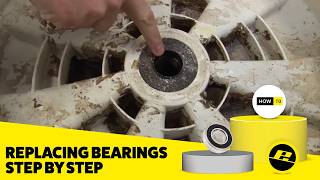
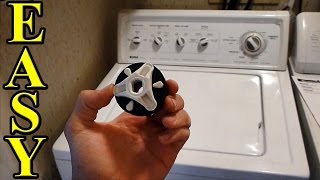
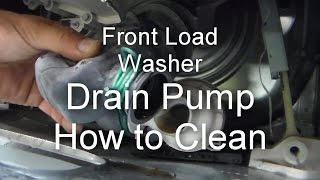
Related How-To Videos
Real DIY Repair Stories
Be the first to share your repair story!
Share Your Repair Story
Your experience helps other homeowners fix their appliances. Tell us how it went!
Can't Fix It Yourself? Find a Local Technician
It's perfectly okay to call a professional. Some repairs require specialized tools, deep teardowns, or dealing with complex systems that are better left to the pros.

Find the Right Part for Your Appliance
Don't guess — search your exact appliance model number at ProsourceParts.com to find the correct OEM compatible replacement part. They offer fast free shipping, guaranteed fit, and thousands of parts in stock.
Your Free Parts Videos
Whether your dishwasher won't drain, your dryer stopped heating, or your fridge isn't cold, we've created simple repair guides for the most common appliance problems homeowners face. Each guide explains what's going wrong, the most likely causes, and which replacement parts fix the issue. When you're ready to order, we link directly to ProsourceParts.com where you can search by model number and get the right part shipped fast.