
Whirlpool GTW465AS* Top-Load Washer — Common Problems & What Parts Fix Them
Need the replacement part? Search your model number at for guaranteed fit and fast free shipping.
Understanding the Problem
The GTW465AS* is a top-load Whirlpool-style washer commonly showing these homeowner complaints: won't drain, won't spin, won't fill, loud noises, or excessive vibration. Below are practical diagnostic steps and repair actions to isolate and fix the issue yourself. 1) Gather tools and prep - Tools: multimeter, channel-lock pliers, screwdriver set (Phillips/flat), nut driver, small flashlight, towels, bucket, socket set, putty knife. Have replacement parts on hand if needed. - Safety: unplug the washer and turn off water supply before any disassembly. 2) Problem: Washer won't drain or displays water after cycle - What to check first: Drain hose for kinks/height, household drain clog, and washer drain pump/filter. - How to diagnose: Remove the drain hose from the standpipe and direct it into a bucket. Run a drain/spin or drain-only cycle. If water flows freely from the hose, the issue is downstream (house drain). If not, the washer drain pump or its inlet/outlet is clogged or failed. - How to fix: Disconnect power, remove access panel (front or rear depending on model). Inspect pump inlet for coins, lint, or small clothing. Manually rotate the pump impeller; if it’s stuck or noisy, replace the drain pump. Reinstall and test. 3) Problem: Washer won’t spin or agitate - What to check first: Lid switch (safety interlock), balance/suspension, drive components (belt/coupler/gearcase), and error codes on display. - How to diagnose: With power off, open lid and manually actuate the lid switch (use a screwdriver to press the actuator) then run a spin cycle — if it spins, replace the lid switch. If lid switch is fine, observe whether the motor hums but won't turn (possible jammed gearcase or bad motor/coupling). Check for worn agitator dogs if agitation is weak. - How to fix: Replace lid switch if defective. If the motor hums with no spin and you have a belt/coupler type washer, inspect/replace the motor coupling or belt. For direct-drive models, a failed gearcase or motor may need professional replacement. 4) Problem: Washer won’t fill or fills slowly - What to check first: Water inlet hoses, household water supply, inlet screens, water inlet valve, and pressure switch (water level sensor). - How to diagnose: Make sure both hot and cold water supplies are turned on at the wall. Remove hoses and check inlet filters/screens for debris. With power off, inspect inlet valve for visible damage. Use a multimeter to check solenoid coils for continuity. - How to fix: Clean screens or replace water inlet valve if solenoids are open or valve leaks. If washer overfills or underfills intermittently, test/replace the water level pressure switch or air tube. 5) Problem: Loud noises during wash or spin - What to check first: Objects caught between tub and outer casing, worn bearings/gearcase, worn shock/suspension rods, or a failing motor coupling. - How to diagnose: With the tub empty, run a spin cycle and listen for where noise originates (rear = bearings/gearcase, bottom = motor/pump, inside tub = debris). Inspect underside for leaks/metal shavings. - How to fix: Remove foreign object if found. Replace worn suspension rods or shocks. If noise is grinding from the gearcase or bearings, replacement of the transmission/gearcase assembly is required. 6) Problem: Excessive vibration or wobble - What to check first: Leveling feet, load distribution, worn suspension rods or dampening straps. - How to diagnose: Check washer is level on floor and feet are adjusted. Run an empty spin and observe movement. Inspect suspension/shocks for oil leaks or broken mounts. - How to fix: Re-level washer and distribute loads correctly. Replace damaged suspension rods/shocks/dampening straps. 7) Electrical/control issues - What to check first: Loose wire connectors, burnt terminals, and error codes displayed. - How to diagnose: With washer unplugged, check connectors at the control board and timer for corrosion or loose pins. Use a multimeter to test fuse/thermal cutouts and continuity of components. - How to fix: Tighten or replace corroded connectors. Replace the control board only after verifying the failing component is not external (motor, sensors, inlet valve). Safety note: Always disconnect power and water before working on the washer. If you are uncomfortable with electrical or heavy mechanical repairs (gearcase/motor replacement), hire a certified technician. Use OEM parts and follow torque specs and wire routing on reassembly.
Common Symptoms
Washer won't drain, won't spin, won't fill, loud grinding or squealing noises, excessive vibration or error codes.
Common Causes
- Clogged or failed drain pump or foreign object trapped in pump
- Faulty lid switch or door interlock preventing spin
- Worn suspension rods, shocks, or out-of-level installation
- Failed water inlet valve or clogged inlet screens
- Worn motor coupling, belt, or failing gearcase/transmission
- Control board or wiring/connectors fault
Popular Parts That Fix This Problem
These are the most common replacement parts that fix this problem. When you're ready to order, click below to find the right part at ProsourceParts.com — just search by your appliance model number for a guaranteed fit.
Helpful Repair Tip
To confirm a bad drain pump: disconnect the drain hose, remove front access panel, try to rotate the pump impeller by hand; if it binds, is noisy, or has no continuity on a multimeter, replace the pump.
Frequently Asked Questions
How do I find the exact replacement part for my GTW465AS* washer?
Locate the washer's model and serial plate — usually on the back of the console, inside the lid, or on the rear cabinet. Use that exact model/serial when searching parts. If unsure, take a clear photo of the plate and the part you need replaced and compare with OEM part listings before ordering.
Can I replace the drain pump or lid switch myself?
Yes — both the drain pump and lid switch are typical DIY repairs. Always unplug the washer and turn off the water. For the drain pump, remove the access panel, unplug the pump connector, note hose locations, clamp off hoses to catch water, remove and swap the pump. For the lid switch, remove the console or cabinet access required to reach the switch, unplug the connector, and replace. If the repair involves the gearcase or motor, consider professional assistance.
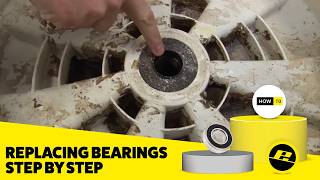
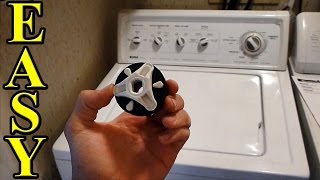
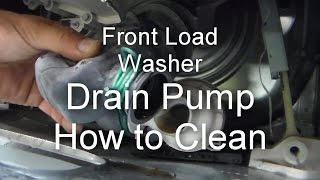
Related How-To Videos
Real DIY Repair Stories
Be the first to share your repair story!
Share Your Repair Story
Your experience helps other homeowners fix their appliances. Tell us how it went!
Can't Fix It Yourself? Find a Local Technician
It's perfectly okay to call a professional. Some repairs require specialized tools, deep teardowns, or dealing with complex systems that are better left to the pros.

Find the Right Part for Your Appliance
Don't guess — search your exact appliance model number at ProsourceParts.com to find the correct OEM compatible replacement part. They offer fast free shipping, guaranteed fit, and thousands of parts in stock.
Your Free Parts Videos
Whether your dishwasher won't drain, your dryer stopped heating, or your fridge isn't cold, we've created simple repair guides for the most common appliance problems homeowners face. Each guide explains what's going wrong, the most likely causes, and which replacement parts fix the issue. When you're ready to order, we link directly to ProsourceParts.com where you can search by model number and get the right part shipped fast.