
Whirlpool GTW330ASK2WW – Common Problems and How to Fix Them
Need the replacement part? Search your model number at for guaranteed fit and fast free shipping.
Understanding the Problem
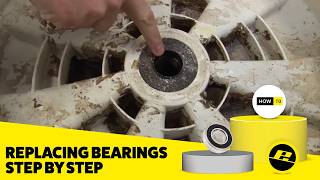
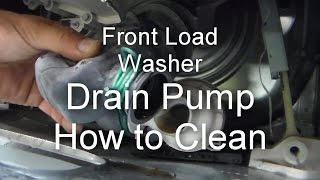
Brief overview: The Whirlpool GTW330ASK2WW is a top-load, agitating washer that commonly shows a handful of repeatable symptoms: not draining, not spinning, not filling, loud/motor noise, or failure to start. The most likely sources are a clogged drain/pump, a bad lid lock/lid switch, a faulty water inlet valve, or an electronic/control failure. Below are practical diagnostic and repair steps prioritized from easiest to more involved. 1) Washer won't drain or spin (most common) a) What to check first: make sure the cycle has actually reached the spin/drain stage (some cycles delay spin). Listen for the drain pump when the washer should be draining. b) Steps to diagnose: 1. Unplug the washer or switch off the breaker. 2. Remove water by hand if needed (bail with a cup or remove water through the drain hose into a bucket). 3. Inspect the drain hose for kinks or clogs; disconnect the hose and check for debris. 4. Remove the lower access panel (if present) and visually inspect the pump inlet and hoses for coins, lint, or foreign objects. 5. With power off, gently spin the pump impeller (if accessible) to see if it rotates freely. If seized or jammed, pump likely bad. 6. Test the pump electrically with a multimeter for continuity. No continuity usually means a bad pump. c) How to fix: - Clear clogs from hose/pump and retest. If foreign object removed and pump still does not evacuate water, replace the drain pump (see steps below). 2) Washer won't start or stops mid-cycle a) What to check first: power and lid switch/lid lock. Top-load Whirlpool models will not run the motor if the lid switch indicates the lid is open. b) Steps to diagnose: 1. Verify outlet has power (plug in a lamp or use a multimeter). 2. With washer unplugged, access the lid switch/latch assembly and test for continuity when lid is closed. If no continuity, replace the lid switch/lock. 3. If lid switch is good, check for error codes (if the console displays any) and inspect the control/console for burn marks or loose connectors. c) How to fix: - Replace the lid switch or lid lock assembly if it fails continuity or is physically damaged. Re-seat connectors on the control board and replace the control board if there is visible damage or intermittent behavior. 3) Washer won't fill or fills slowly a) What to check first: water supply and inlet screens. b) Steps to diagnose: 1. Confirm hot/cold supply valves are fully open and hoses are not kinked. 2. Shut off water, disconnect inlet hoses, and inspect screens on the water inlet valve for sediment. 3. Test inlet valve solenoids for continuity; if open/no continuity or if no flow when energized, replace the valve. c) How to fix: - Clean or replace inlet screens and replace the inlet valve assembly if the solenoids fail or valve leaks. 4) Loud noise or vibration a) What to check first: foreign objects, unbalanced load, drum bearings or motor coupling. b) Steps to diagnose: 1. Run an empty spin and listen for grinding, squealing, or knocking. 2. Inspect for coins or small objects between tub and outer drum; remove if present. 3. If noise continues, check suspension rods/springs and tub bearings. Excessive play in the drum can indicate bad bearings or a worn motor coupling. c) How to fix: - Remove foreign objects, rebalance loads, replace worn suspension components or the motor coupling/bearing assembly as required. Basic replacement steps (drain pump example — most common DIY repair): 1. Unplug washer and turn off water. 2. Tilt washer back or remove lower access panel to reach the pump (consult your model's service sheet to locate pump access). 3. Place towels/bucket to catch water. Loosen hose clamps and remove inlet/outlet hoses from pump. 4. Remove mounting screws and electrical connectors from pump (note connector positions or take a photo). 5. Install new pump, reverse removal steps, restore water and power, and run a short drain/spin test. Control board or console replacement (when needed): 1. Unplug washer. 2. Remove control console (often held by clips or screws). Label or photograph all connector locations. 3. Disconnect connectors, remove mounting screws, install the replacement board, reconnect, and test. Safety note: Always unplug the washer or switch off the house circuit breaker before opening panels or touching electrical components. Drain residual water into a bucket before disconnecting hoses. If you are not comfortable working with electricity, heavy components, or water connections, hire a qualified appliance technician.
Common Symptoms
Washer won't drain or spin; washer won't start; slow or no fill; loud/noisy operation; excessive vibration during spin.
Common Causes
- Clogged drain hose or pump (foreign object or lint buildup)
- Faulty lid switch or lid lock (prevents motor from running)
- Failed water inlet valve or failed control board/electronics
Popular Parts That Fix This Problem
These are the most common replacement parts that fix this problem. When you're ready to order, click below to find the right part at ProsourceParts.com — just search by your appliance model number for a guaranteed fit.
Helpful Repair Tip
To confirm a bad drain pump: run a drain cycle and listen—if you hear the electronics try to engage but only a humming or nothing at all, remove the lower access panel and test the pump motor for continuity with a multimeter and inspect the impeller for obstructions.
Frequently Asked Questions
How much will it cost to repair a GTW330ASK2WW that won't drain?
If the problem is a clogged hose or debris in the pump, you can often fix it yourself for minimal cost (time and basic tools). A replacement drain pump part commonly costs between $40–$120 online; labor from a technician typically adds $100–$200. Inlet valves and control boards are more expensive (inlet valves $50–$150, control boards $100–$300+). Always verify part pricing for your exact model.
Can I replace the drain pump or lid switch myself?
Yes — these are common homeowner repairs. Basic steps: unplug power, shut off water, access the component (lower access panel or remove console), label/disconnect electrical connectors and hoses, remove mounting hardware, swap in the new part, and reassemble. Use a multimeter to confirm failures before replacing parts. If you're not comfortable with electrical work or lifting the washer, hire a pro.
Related How-To Videos
Real DIY Repair Stories
Be the first to share your repair story!
Share Your Repair Story
Your experience helps other homeowners fix their appliances. Tell us how it went!
Can't Fix It Yourself? Find a Local Technician
It's perfectly okay to call a professional. Some repairs require specialized tools, deep teardowns, or dealing with complex systems that are better left to the pros.

Find the Right Part for Your Appliance
Don't guess — search your exact appliance model number at ProsourceParts.com to find the correct OEM compatible replacement part. They offer fast free shipping, guaranteed fit, and thousands of parts in stock.
Your Free Parts Videos
Whether your dishwasher won't drain, your dryer stopped heating, or your fridge isn't cold, we've created simple repair guides for the most common appliance problems homeowners face. Each guide explains what's going wrong, the most likely causes, and which replacement parts fix the issue. When you're ready to order, we link directly to ProsourceParts.com where you can search by model number and get the right part shipped fast.