
Whirlpool Duet F2 / F3 Error Codes – What Causes Them and How to Fix
Need the replacement part? Search your model number at for guaranteed fit and fast free shipping.
Understanding the Problem
Brief explanation: On Whirlpool Duet front‑load washers, F2 and F3 family codes normally point to drive/motor problems — missing or incorrect motor speed feedback (tachometer/hall sensor), motor not starting, or motor control (inverter) faults. These errors are commonly caused by a bad motor, a failed motor control board (inverter/MCU), damaged wiring or connectors between the control board and motor, or a stuck/driven load (jam). Step-by-step diagnostics and repair (practical how-to): 1) Capture the exact code/subcode: When the code appears, write down the exact format (for example F2 E1, F2 E2, F3 E1, etc.). The subcode helps pinpoint whether it’s a tach signal, motor start, or drive current issue. 2) Clear code and reproduce: Unplug the washer for 1 minute, plug back in and try a short cycle. If the code returns, proceed — intermittent clears then return usually mean a real hardware fault. 3) Enter service/diagnostic mode and run the motor test: Use your model’s service mode (consult the tech sheet in the control console or owner manual) to run the motor/drive tests. Observe whether the motor attempts to spin, hums, or produces no motion. Note any noises or lack of expected speed/rotation. 4) Visual inspection (first physical check): Unplug the washer. Remove the lower access panel (or rear panel depending on model) and inspect the motor, motor controller (inverter), and harness connectors. Look for: - Burnt, melted, or blackened connectors - Loose or corroded pins - Rodent damage or chafed wires - Metal debris lodged in rotor/stator area 5) Check harness continuity and connectors: With power off and plug disconnected, unplug the motor harness from the motor control board and check continuity of the harness between the board and the motor connector. Wiggle while checking to find intermittent opens. 6) Test the motor windings and tachometer (basic multimeter checks): - Measure resistance across motor winding leads (refer to tech sheet for exact values). You should see continuity and similar resistance across phases; an open winding indicates a bad motor. - Test the tachometer/hall sensor output wiring per service manual. If you have an oscilloscope you can view the tach pulses while running; absence of pulses while the motor turns indicates a faulty hall sensor or wiring. 7) Inspect motor control (inverter) and main control board: If the motor windings and harness check good, the motor control/inverter is a common failure point. Look for burned components or connectors on the inverter board. If the inverter shows damage, it should be replaced. 8) Check for mechanical binding/stall: Confirm drum and tub rotate freely by hand. A seized bearing, jammed pump, or foreign object can prevent the motor from turning and trigger F2/F3. If the tub is hard to rotate by hand, diagnose the mechanical issue first. 9) Replace suspect component(s): Typical repair order: - Fix damaged wiring/connectors first (cheap and often effective). - Replace motor control (inverter) if harness and motor tests are good but no tach signal/drive failure persists. - Replace drive motor if windings are open or motor shows no torque and harness/board are good. 10) Final testing: After repair, reassemble panels, run a diagnostic motor test or a rinse/spin cycle and confirm the code does not return and the washer runs normally. Safety note: Always unplug the washer before accessing internal components. Capacitors on inverter boards can hold charge — wait several minutes after unplugging and avoid touching exposed circuitry unless you are trained. If you are not comfortable testing live circuits or replacing the drive motor/inverter, call a qualified appliance technician.
Common Symptoms
Washer will not start or spin and displays F2 and/or F3 codes; motor may hum or be silent; drum may not turn; machine may be loud, stall, or repeatedly attempt to start.
Common Causes
- Faulty drive motor (open winding, loss of torque)
- Failed motor control board / inverter (MCU) or damaged components on the inverter
- Damaged or corroded wiring harness/connectors between control board and motor (tach signal wires)
- Mechanical binding or jammed drum/bearing causing motor stall
- Intermittent connection or damaged tachometer/hall sensor in the motor
Popular Parts That Fix This Problem
These are the most common replacement parts that fix this problem. When you're ready to order, click below to find the right part at ProsourceParts.com — just search by your appliance model number for a guaranteed fit.

Helpful Repair Tip
Confirm the faulty module by checking the motor harness and connectors first — burned or blackened pins at the motor/inverter connector usually point to a motor control (inverter) or wiring failure before you replace the motor.
Frequently Asked Questions
Can I clear the F2/F3 code and keep using the washer?
You can clear the code by unplugging the washer or using the service mode clear function, but if the code returns the underlying fault remains. Repeatedly clearing and using the washer risks further damage (burned connectors or a failed motor control) — diagnose and repair the cause rather than repeatedly clearing the code.
Do I need to replace the motor or the control board?
Start with visual and continuity checks of wiring and connectors — these are the cheapest fixes. If wiring is good, test motor winding continuity and tachometer signal. If the motor tests good (windings and tach signal) then the motor control (inverter) is the likely culprit. If the motor windings are open or show serious imbalance, replace the motor. Use diagnostic mode subcodes and multimeter tests to pinpoint which component failed.
Related How-To Videos
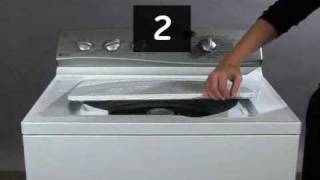
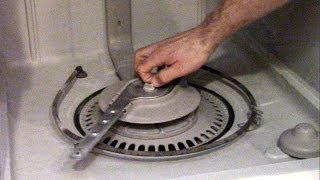
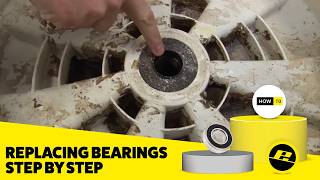
Real DIY Repair Stories
Be the first to share your repair story!
Share Your Repair Story
Your experience helps other homeowners fix their appliances. Tell us how it went!
Can't Fix It Yourself? Find a Local Technician
It's perfectly okay to call a professional. Some repairs require specialized tools, deep teardowns, or dealing with complex systems that are better left to the pros.

Find the Right Part for Your Appliance
Don't guess — search your exact appliance model number at ProsourceParts.com to find the correct OEM compatible replacement part. They offer fast free shipping, guaranteed fit, and thousands of parts in stock.
Your Free Parts Videos
Whether your dishwasher won't drain, your dryer stopped heating, or your fridge isn't cold, we've created simple repair guides for the most common appliance problems homeowners face. Each guide explains what's going wrong, the most likely causes, and which replacement parts fix the issue. When you're ready to order, we link directly to ProsourceParts.com where you can search by model number and get the right part shipped fast.