
Whirlpool Duet Drain Pump — What Part Fixes Drain and No-Drain Problems?
Need the replacement part? Search your model number at for guaranteed fit and fast free shipping.
Understanding the Problem
The drain pump in a Whirlpool Duet (front-load) washer is the component that forces water out through the drain hose during the spin/drain cycles. When the pump fails, the washer may not drain, may make grinding or humming noises, or will show drain-related error codes. Below are practical diagnostic and repair steps you can perform yourself. 1) Confirm the symptom and gather info - Symptom: washer retains water after a cycle, shows F/ codes for drain, or makes loud noises during drain. Note when it happens (every wash or intermittently). Note any unusual noises (grinding, rattling, humming). - Check model number on the washer (usually on the door frame or back) before ordering parts. 2) Basic pre-checks (easy, do first) - Unplug the washer or turn off the breaker and shut off the water supply. - Inspect the drain hose for kinks, clogs, or high loops; remove the hose from the standpipe and run water through it to confirm it's clear. - Check the pump access (coin) trap or filter (if your Duet has one). Remove debris, coins, lint. Many Duets have a small access panel at the front bottom. 3) Run a diagnostic drain test - With power restored and the lid/door closed, run the manufacturer's diagnostics or a spin/drain cycle. Listen at the pump area: do you hear humming (motor trying to run) or grinding (objects hitting impeller)? - If the pump hums but doesn't move water, it likely has a jam or failed motor. If it makes no sound at all, it may be electrically dead. 4) Electrical tests (requires a multimeter) - Disconnect power. Access the pump wiring connector (usually behind the lower front panel or by tilting the washer). With connector disconnected, measure continuity across the pump motor terminals. A healthy pump motor typically shows low resistance (tens to a few hundred ohms). Infinite/OL indicates open winding (bad). Short to ground indicates internal short (bad). - With power on and caution, you can verify the pump receives voltage during a drain cycle (only if comfortable working live). If voltage is present but pump doesn't run, the pump is bad. 5) Visual and mechanical inspection - Remove lower access panel, tilt the washer back (if needed) and locate the drain pump on the bottom front or side. Inspect for visible debris, broken impeller blades, cracks, or oil/grease leakage. - Remove any visible foreign objects. If the impeller turns freely by hand, the pump may still be OK; if stiff or seized, replace the pump. 6) Replacement steps (generalized — verify model-specific steps) - Tools: screwdriver set (Torx/Phillips), nut drivers, pliers, towels, bucket, multimeter, replacement pump. - Power off and unplug the washer. Turn off water and drain any standing water from the tub into a bucket. - Access the pump: open the front lower service panel or remove the back panel. Some Duet models require removing the toe panel and tilting the machine. - Place towels and a shallow pan under the pump to catch residual water. Loosen and remove the drain hose clamps and pump-to-hose connections (expect some water). Remove any retaining clips for electrical connector and hoses. - Disconnect the pump electrical connector and vacuum/plugs. Remove mounting screws or clamps holding the pump to the chassis and pull the pump free. - Install new pump: position it, secure mounting screws, reconnect hoses with clamps (ensure hose ends are seated properly), plug in electrical connector. - Reinstall panels, restore power, and run a test drain/spin to confirm proper operation and check for leaks. 7) Final checks - Confirm no leaks at hose connections and pump seals. Confirm normal draining and quiet operation. Re-run a few cycles with different settings. Safety note: Always disconnect power before accessing internal components. If you are uncomfortable working with electrical components, order the correct pump and have a qualified technician install it. Pumps can be heavy when full of water — work with a helper if needed.
Common Symptoms
Washer won't drain or spins with water still in tub, loud grinding or rattling during drain, humming without draining, drain-related error codes (e.g., F7E1/F0E1 variations), leaks under machine.
Common Causes
- Impeller clogged or jammed by small objects (coins, socks, debris)
- Pump motor windings failed or internally seized
- Blocked or kinked drain hose or pump inlet
- Failed pump bearings or broken impeller
- Electrical failure (open winding, bad connector) or control board not driving the pump
Popular Parts That Fix This Problem
These are the most common replacement parts that fix this problem. When you're ready to order, click below to find the right part at ProsourceParts.com — just search by your appliance model number for a guaranteed fit.

Helpful Repair Tip
If the pump hums but won't pump, check for debris in the impeller and test for continuity. If the pump receives voltage during a drain cycle but shows open winding on the multimeter (infinite resistance), replace the pump.
Frequently Asked Questions
How much does it cost to replace a Whirlpool Duet drain pump?
Part cost for a genuine Whirlpool Duet drain pump typically ranges from about $40–$120 depending on vendor and exact model; aftermarket pumps may be cheaper. Expect 0.5–1.5 hours of labor for a DIYer (longer if unfamiliar). If hiring a pro, total service cost including labor is commonly $150–$300 depending on region.
Can I clean or repair the pump instead of replacing it?
If the problem is a foreign object lodged in the impeller or a clogged inlet, cleaning can restore pump function. However, if the motor hums but won’t spin, shows no continuity, has burnt smell, or the impeller/shaft is damaged, replacement is recommended. Always test electrically (continuity and voltage during drain) to decide — if windings are open or shaft is seized, replacement is the safe fix.
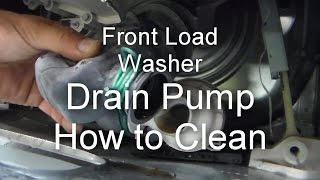
Related How-To Videos
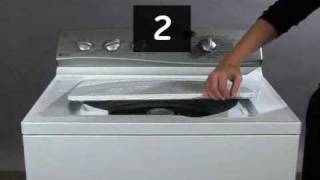
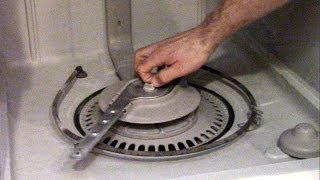
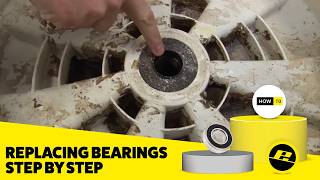
Real DIY Repair Stories
Be the first to share your repair story!
Share Your Repair Story
Your experience helps other homeowners fix their appliances. Tell us how it went!
Can't Fix It Yourself? Find a Local Technician
It's perfectly okay to call a professional. Some repairs require specialized tools, deep teardowns, or dealing with complex systems that are better left to the pros.

Find the Right Part for Your Appliance
Don't guess — search your exact appliance model number at ProsourceParts.com to find the correct OEM compatible replacement part. They offer fast free shipping, guaranteed fit, and thousands of parts in stock.
Your Free Parts Videos
Whether your dishwasher won't drain, your dryer stopped heating, or your fridge isn't cold, we've created simple repair guides for the most common appliance problems homeowners face. Each guide explains what's going wrong, the most likely causes, and which replacement parts fix the issue. When you're ready to order, we link directly to ProsourceParts.com where you can search by model number and get the right part shipped fast.