
Whirlpool Cabrio Washer — Common Problems and How to Fix Them
Need the replacement part? Search your model number at for guaranteed fit and fast free shipping.
Understanding the Problem
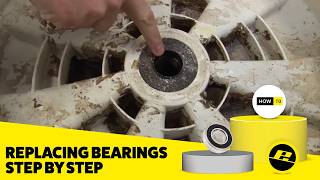
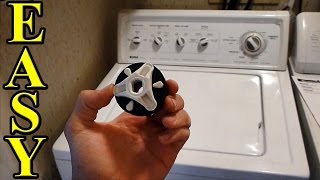
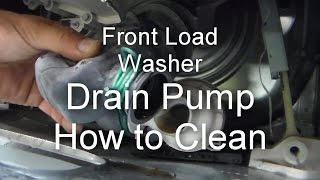
The Whirlpool Cabrio line (sometimes spelled "Caprio") includes several popular high-efficiency top-load and front-load washers. They can show a range of faults — not draining, not spinning, excessive vibration, leaks, or error codes. Below are the most likely causes and step-by-step diagnostic and repair procedures for the most common Cabrio problems. 1) Washer won’t drain or leaves water in tub - Likely causes: clogged drain pump or filter, kinked/blocked drain hose, failed drain pump. - How to diagnose: a. Run a drain/spin or drain-only cycle and listen: does the pump hum? Any grinding? b. Check error code display or status lights (see manual for F codes). c. Unplug washer. Locate drain pump (typically bottom front or rear). Remove access panel if required. d. Inspect and clear debris from pump inlet and removable filter/trap (some models have a small clean-out). Remove any lint, coins, or clothing. e. Inspect drain hose for clogs and kinks; disconnect and run water through it into a bucket. f. Test pump electrically: with washer unplugged, disconnect pump and check continuity with a multimeter. If motor has no continuity or jams, replace pump. - How to fix: • Remove access panel, drain standing water into a shallow pan, remove pump and clean or replace. Replace with matching pump assembly. • Reinstall panels and run a drain test. 2) Washer won’t spin or only agitates slowly - Likely causes: lid/latch failure, motor drive problems, faulty motor start capacitor, worn belt (older models), clutch/transmission failure, or control board issue. - How to diagnose: a. Confirm washer advances through the cycle but doesn’t reach high speed. b. Check lid lock/latch: if the machine won’t lock, it won’t spin. Listen for a click when starting cycle. c. Put washer in a drain & spin; if you hear the motor trying to run (hum or weak movement) but no spin, suspect drive components. d. Inspect drive belt (if present). On direct-drive machines, check motor coupling or clutch for wear. e. Test the lid lock for continuity and the motor for continuity and proper resistance. If motor runs intermittently, check capacitor and control board. - How to fix: • Replace a failed lid lock assembly. For drive issues, replace worn belt/clutch or motor coupling. If motor fails electrical tests, replace motor or capacitor as appropriate. If control board is sending no proper voltage, replace control board. 3) Excessive vibration or rocking - Likely causes: worn suspension rods/shocks (top-load Cabrio), unbalanced load, worn tub bearings, shipping bolts not removed, uneven leveling. - How to diagnose: a. Make sure washer is level and feet adjusted. b. Run an empty spin — observe for excessive movement or banging. c. Inspect suspension rods/shocks for oil leakage or broken/deteriorated parts. d. Inspect tub bearing by spinning basket by hand to feel roughness or wobble. - How to fix: • Replace worn suspension rods/shocks or bearings. Re-level machine and redistribute loads. Replace any damaged spider/drum support parts. 4) Leaks - Likely causes: damaged door boot seal (front-load), worn tub gasket, loose hose clamp, faulty water inlet valve, cracked tub or detergent drawer. - How to diagnose: a. Identify leak location (front, rear, under, dispenser area). b. Inspect door seal for tears, detergent buildup, or objects pinched in gasket. c. Check hoses and clamps at pump, valves and fill hoses. Tighten or replace clamps. d. If leak occurs during fill, suspect water inlet valve. If during spin/drain, suspect pump or hose. - How to fix: • Replace the damaged seal/gasket or hose. Replace inlet valve if leaking internally. Tighten clamps and run test cycle. 5) Odor / mildewy smell - Likely causes: detergent buildup, low-temp cycles, clogged dispenser or seal. - How to diagnose & fix: a. Run a hot tub-clean or sanitize cycle with a washer cleaner (Affresh or bleach per manual). b. Clean the door seal thoroughly, remove debris and foreign objects. c. Remove and clean dispenser drawer and inlet screens. d. Use HE detergent in correct amounts; leave door ajar between loads to dry. Safety note: Always unplug the washer or switch off its dedicated circuit at the breaker before removing panels or performing electrical tests. Wear gloves and eye protection when handling sharp sheet metal or contaminated water. If you’re unsure about mains-voltage testing or lifting heavy components, call a qualified appliance technician.
Common Symptoms
Washer won't drain; washer won't spin; excessive vibration or banging during spin; visible leaks; musty odors; error codes or status lights.
Common Causes
- Clogged drain pump or obstructed drain hose
- Failed lid lock, motor, or control board
- Worn suspension components or tub bearings causing imbalance
Popular Parts That Fix This Problem
These are the most common replacement parts that fix this problem. When you're ready to order, click below to find the right part at ProsourceParts.com — just search by your appliance model number for a guaranteed fit.
Helpful Repair Tip
To confirm a bad drain pump quickly: start a drain cycle and listen. If you hear a humming/pulsing but no water movement, the pump is likely jammed or failed — remove debris or replace the pump.
Frequently Asked Questions
How do I find my Whirlpool Cabrio model and serial number?
Open the lid or door and look on the washer opening rim or door frame for the model/service tag. On some machines it’s on the back panel or behind the lower access panel. The model number is required to order correct replacement parts.
Can I replace parts on a Cabrio washer myself or do I need a technician?
Many replacements (drain pump, lid lock, hoses, suspension rods) are DIY-friendly with basic tools and a service manual. Always disconnect power first and take photos of wire connections. For control board, motor, or bearing replacements, or if you’re uncomfortable with electrical testing or lifting the tub, hire a qualified appliance tech.
Related How-To Videos
Real DIY Repair Stories
Be the first to share your repair story!
Share Your Repair Story
Your experience helps other homeowners fix their appliances. Tell us how it went!
Can't Fix It Yourself? Find a Local Technician
It's perfectly okay to call a professional. Some repairs require specialized tools, deep teardowns, or dealing with complex systems that are better left to the pros.

Find the Right Part for Your Appliance
Don't guess — search your exact appliance model number at ProsourceParts.com to find the correct OEM compatible replacement part. They offer fast free shipping, guaranteed fit, and thousands of parts in stock.
Your Free Parts Videos
Whether your dishwasher won't drain, your dryer stopped heating, or your fridge isn't cold, we've created simple repair guides for the most common appliance problems homeowners face. Each guide explains what's going wrong, the most likely causes, and which replacement parts fix the issue. When you're ready to order, we link directly to ProsourceParts.com where you can search by model number and get the right part shipped fast.