
Whirlpool WFW9550WL00 Front-Load Washer — Common Problems & Repair Guide
Need the replacement part? Search your model number at for guaranteed fit and fast free shipping.
Understanding the Problem
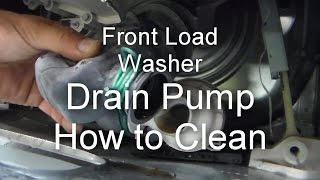
This guide covers the most common issues owners see with Whirlpool WFW95-series front-load washers (model WFW9550WL00). It explains what to check first, how to isolate the fault, and step-by-step actions to fix the problem. Follow the numbered diagnostic steps for each symptom; each block includes practical repair actions you can take. Always disconnect power and water before doing any internal work. 1) Washer won’t start / won’t power on 1. Verify the outlet: plug a lamp or phone charger into the same outlet to confirm it has power. 2. Check the circuit breaker or GFCI; reset if tripped. 3. Inspect the power cord for damage where it plugs into the machine. 4. Try pressing and holding the control lock and power buttons per the owner's manual to clear a locked control state. 5. If the panel is dead but the outlet is live, open the console (after removing power) and visually inspect the main control board for burn marks or blown components. Replace the control board if visibly damaged. 2) Washer won’t fill or takes too long to fill 1. Confirm both hot and cold water shutoffs are fully open. 2. Remove and inspect inlet hoses and screens on the water inlet valve for debris; clean screens with a small brush. 3. Test the inlet valve solenoids with a multimeter for continuity (spec values vary by model). If there’s no continuity or the valve doesn’t open when a cycle calls for water, replace the inlet valve assembly. 3) Washer won’t drain / displays drain error 1. Run a drain/spin cycle and listen for the drain pump. If you hear humming but no water movement, suspect a jammed pump impeller or failed pump motor. 2. Remove front access panel (unplug first), place a towel and shallow pan, disconnect pump hoses and check for coins, debris, or lodged clothing. Clear obstruction and reassemble. 3. If the pump is free of debris but does not run, test pump wiring for voltage during a drain command. If 120VAC (or model voltage) is present but pump doesn’t run, replace the drain pump. 4) Washer won’t spin / clothes come out very wet 1. Ensure load is balanced and not oversized; redistribute laundry manually and run a spin-only cycle. 2. If gearbox/motor is struggling or making grinding noises, check drive motor, belt (if applicable), and motor coupling. For direct-drive motors, listen for bearing noise or burnt smell—replace motor if failed. 3. Check the door latch/lock. A failed door lock will prevent spinning for safety. Test for continuity on the lock/door switch and replace if it fails. 5) Leaks — water under/around washer 1. Inspect front door seal (boot) for tears, holes, or detergent residue. Clean the boot and check the outer tub seam. 2. Check inlet hoses, detergent dispenser, and clamps at the drain pump and drain hose for loose fittings. 3. If leaks originate from the bottom center, suspect a failed tub seal or cracked outer tub — these are more involved repairs (tub replacement or professional service usually required). 6) Loud noise, grinding, or banging 1. Remove the front access panel and check for foreign objects around the drain pump and between inner and outer tubs. 2. If a rumbling or grinding increases with spin speed, check the tub bearings. Bearings that fail typically require tub/drum removal and seal/bearing kit replacement. 3. Worn shock absorbers or suspension springs cause banging; replace worn shocks (usually 3 or 4) and springs as needed. 7) Error codes and service mode 1. Note any fault code displayed and consult the WFW95 series error code list in the service manual. Codes often point directly to inlet, drain, door lock, heater (if present), or motor issues. 2. Enter the washer’s diagnostic/service mode per the service manual to run actuators, motors, and view more detailed error logs. Use the service mode tests to confirm whether the control board is commanding a component and whether that component responds. Safety note: Always unplug the washer and shut off water supply before removing panels or working on electrical components. If you must power the washer to perform live tests, secure panels, use insulated tools, and keep hands and tools away from moving parts and water. When in doubt, contact a licensed appliance technician.
Common Symptoms
Washer won’t start; won’t fill; won’t drain; won’t spin or clothes very wet; loud grinding noise; door won’t lock; water leaks under machine; error (F) codes displayed.
Common Causes
- Failed door lock assembly or control board preventing cycle start
- Clogged or failed drain pump causing no-drain conditions
- Faulty water inlet valve, pressure sensor, motor, or tub bearings
Popular Parts That Fix This Problem
These are the most common replacement parts that fix this problem. When you're ready to order, click below to find the right part at ProsourceParts.com — just search by your appliance model number for a guaranteed fit.

Helpful Repair Tip
Run a drain/spin cycle and listen: if the pump hums but no water flows, check for debris at the pump impeller. If the pump doesn’t hum and you have control voltage to the pump during a drain command, the pump is bad — replace it.
Frequently Asked Questions
How do I read error codes or enter diagnostic mode on my WFW9550WL00?
The exact button sequence to enter service mode varies by model and production date. The fastest way is to locate the washer’s service manual online (search for your model + 'service manual') or check the back of the control panel for a sticker with instructions. In general, diagnostics will let you command the drain pump, motor, valves, and read stored fault codes — use that information to target repairs.
Can I replace the drain pump/door lock myself, or do I need a technician?
Many homeowners can replace accessible parts like the drain pump, door lock, inlet valve, and shocks with basic hand tools. Always unplug the washer, shut off the water, and take pictures during disassembly. For complex jobs (bearing/tub replacement, control board electronics diagnosis) or if you’re uncomfortable working with mains voltage, hire a qualified appliance technician.
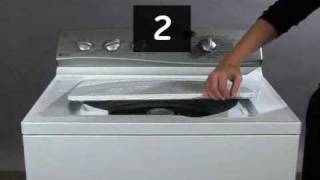
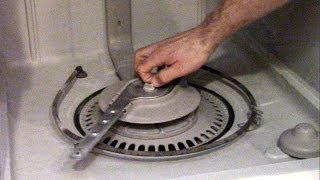
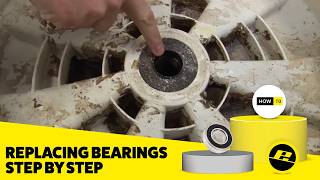
Related How-To Videos
Real DIY Repair Stories
Be the first to share your repair story!
Share Your Repair Story
Your experience helps other homeowners fix their appliances. Tell us how it went!
Can't Fix It Yourself? Find a Local Technician
It's perfectly okay to call a professional. Some repairs require specialized tools, deep teardowns, or dealing with complex systems that are better left to the pros.

Find the Right Part for Your Appliance
Don't guess — search your exact appliance model number at ProsourceParts.com to find the correct OEM compatible replacement part. They offer fast free shipping, guaranteed fit, and thousands of parts in stock.
Your Free Parts Videos
Whether your dishwasher won't drain, your dryer stopped heating, or your fridge isn't cold, we've created simple repair guides for the most common appliance problems homeowners face. Each guide explains what's going wrong, the most likely causes, and which replacement parts fix the issue. When you're ready to order, we link directly to ProsourceParts.com where you can search by model number and get the right part shipped fast.