
Washing Machine Water Inlet (Pump) Valve — What Causes Fill, Leak, or No-Water Issues?
Need the replacement part? Search your model number at for guaranteed fit and fast free shipping.
Understanding the Problem
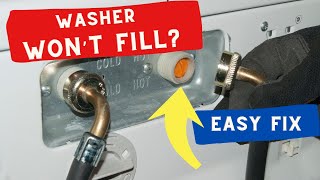
The water inlet valve (sometimes referred to as a water pump valve) controls water entry into the washer. It contains solenoid-operated ports that open and close to allow hot and/or cold water into the machine. When the valve fails it can refuse to open (no water), stay partially or fully open (overfilling or continuous flow), leak externally, or allow low/uneven flow due to clogged inlet screens. Failing inlet valves are common after years of use, mineral buildup, debris, or electrical/solenoid failure. Other components like the water pressure switch, inlet hose screens, or control board can produce similar symptoms, so testing the valve and checking related parts is important before replacement.
Common Symptoms
Washer won't fill, fills slowly, fills continuously (won't stop), uneven hot/cold fill, visible leaks at the rear water inlet, or water running into the tub when the machine is off.
Common Causes
- Failed solenoid(s) inside the inlet valve (electrical fault or coil burnout)
- Clogged or damaged inlet screens/filters restricting or allowing uncontrolled flow
- Stuck valve plunger or internal mechanical wear leading to leakage or partial opening
Popular Parts That Fix This Problem
These are the most common replacement parts that fix this problem. When you're ready to order, click below to find the right part at ProsourceParts.com — just search by your appliance model number for a guaranteed fit.
Helpful Repair Tip
First shut off the water and remove the inlet hoses to check the small mesh screens — cleaning debris often restores flow. If screens are clear, test solenoid continuity with a multimeter (no continuity = replace valve).
Frequently Asked Questions
How do I test whether the inlet valve is bad?
Turn off power and water, disconnect the inlet hoses and look for clogged mesh screens. If screens are clear, remove the valve assembly, disconnect its wiring, and test each solenoid coil with a multimeter for continuity (typical result is a measurable resistance; an open circuit indicates failure). You can also apply 120V/240V power briefly to a solenoid (only if you are experienced and safety precautions are followed) to confirm the plunger moves — but replacement is recommended if the solenoid is unresponsive or the valve leaks.
Can I clean or repair the inlet valve or should I replace it?
If the problem is debris-clogged inlet screens, cleaning the screens and hoses often fixes the issue. However, if a solenoid has lost continuity, the plunger is stuck, or the valve leaks internally, the valve should be replaced. Inlet valves are commonly available as relatively inexpensive assemblies and replacement is usually the most reliable long-term fix. Always match parts to your washer’s exact model number.
Related How-To Videos
Real DIY Repair Stories
Be the first to share your repair story!
Share Your Repair Story
Your experience helps other homeowners fix their appliances. Tell us how it went!
Can't Fix It Yourself? Find a Local Technician
It's perfectly okay to call a professional. Some repairs require specialized tools, deep teardowns, or dealing with complex systems that are better left to the pros.
Find the Right Part for Your Appliance
Don't guess — search your exact appliance model number at ProsourceParts.com to find the correct OEM compatible replacement part. They offer fast free shipping, guaranteed fit, and thousands of parts in stock.
Your Free Parts Videos
Whether your dishwasher won't drain, your dryer stopped heating, or your fridge isn't cold, we've created simple repair guides for the most common appliance problems homeowners face. Each guide explains what's going wrong, the most likely causes, and which replacement parts fix the issue. When you're ready to order, we link directly to ProsourceParts.com where you can search by model number and get the right part shipped fast.