
Washing Machine Stabilizer Replacement – What Part Fixes This Problem?
Need the replacement part? Search your model number at for guaranteed fit and fast free shipping.
Understanding the Problem
Many washers use one or more stabilizing parts — shock absorbers (dampers) on front-load washers, suspension springs or rods on top-load washers, leveling feet, or anti-vibration pads — to keep the tub steady during spin. When a stabilizer fails you’ll get loud banging, rocking, walking, or excessive vibration during the spin cycle. Below are practical diagnostic and repair steps for the most common stabilizer failures. 1) Diagnose which stabilizer is failing a. Run a short spin-only or heavy-spin load (or simulate with a wet towel). Stand back and watch/touch the cabinet. b. If the whole washer rocks or walks: check leveling feet and floor first. If it rocks but only during spin and you hear repeated thumping/clunking: suspect shocks/dampers (front-load) or springs/rods (top-load) or broken counterweights. If you hear a single heavy thump and then wobble, check counterweights. c. Do the push test: push down on the tub (front-load inside the door or top-load rim) and let go. Tub should return smoothly with little bounce. Sudden falling back or clunking = worn shock or broken spring/rod. 2) Tools & prep (common) - Socket set, nut drivers, pliers, flat screwdriver - Putty knife (to release clips), work light, towel, bucket - Owner’s manual or model number to verify replacement part - If necessary, appliance dolly and a helper to tip or move washer 3) Replacing front-load shock absorber / damper (typical repair) a. Unplug washer and shut off water if you’ll be moving the machine. b. Tip the washer back (support it) or remove lower front access panel to reach the dampers at the tub base (consult manual). c. Support the tub with a block or have a helper hold it; remove lower retaining pin/clip or bolts from top and bottom of the shock. Some use spring clips — depress the clip with a screwdriver and pull out the pin. d. Swap the old shock for the new one. Ensure orientation is correct (some have top/bottom differences). Reinstall retaining pins/clips and any mounting hardware. e. Return washer to upright, reconnect power, run an empty spin to test for reduced vibration. 4) Replacing top-load suspension springs or rods a. Unplug washer and remove the control console or top as required by your model (many top-loaders require removing the cabinet or top panel). b. Support the tub with a block or friend. Release the spring(s) at the top or bottom: springs often hook into a bracket and are retained with clips; suspension rods snap into sockets and you may need to pry the rod out of its top socket. c. Replace all worn/broken springs or full sets of rods (replace the set rather than a single one — uneven wear causes future problems). d. Reassemble and test with a spin cycle and an empty or small wet load. 5) Replacing leveling feet or anti-vibration pads a. If the washer rocks on the floor, put a level on the top or drum and adjust feet (turn clockwise to raise, counterclockwise to lower). Lock nuts should be tightened against the cabinet. b. Replace crushed or damaged feet with OEM leveling feet or place anti-vibration pads under each foot. For larger vibration, use larger anti-vibration platforms beneath the whole machine. 6) Check counterweights and mounting bolts a. If there is a heavy thump, open the top/front access and inspect concrete or plastic counterweights and their mounting bolts. Tighten loose bolts and replace cracked weights or broken brackets. 7) Final checks a. Test with a full-size wet load. Confirm no banging, no rubbing, and minimal movement. Re-check mounting hardware and secure any loose panels. Safety note: Always unplug the washer and, if you must disconnect water, close the water valves. Support the tub before disconnecting suspension components to avoid sudden drops. If you’re uncomfortable tilting or supporting the washer, get a helper or a pro.
Common Symptoms
Washer rocks or walks during spin, loud banging or clunking, uneven or heavy vibration, sudden loud thump at spin-up, excessive tub bounce when pushed.
Common Causes
- Worn or broken shock absorbers / dampers (front-load)
- Broken or weak suspension springs / rods (top-load)
- Uneven or loose leveling feet or damaged anti-vibration pads
- Loose or cracked counterweights or mounting brackets
- Improper installation or unlevel floor
Popular Parts That Fix This Problem
These are the most common replacement parts that fix this problem. When you're ready to order, click below to find the right part at ProsourceParts.com — just search by your appliance model number for a guaranteed fit.
Helpful Repair Tip
Push down on the drum (top-load) or tub (through the door on a front-loader). If it drops and then crashes back or makes a hard thud instead of a soft return, the shocks or springs are the likely culprit.
Frequently Asked Questions
How much does it cost to replace a washer stabilizer?
Parts: shock absorbers or a spring set typically cost $20–$80 each depending on brand and model; a full set of suspension rods or springs may be $40–$120. Labor (if hired) is commonly $100–$250 depending on complexity and local rates. Replacing shocks or springs yourself is a 30–90 minute job for most DIYers.
Can I keep using the washer if a stabilizer is bad?
Short-term you can run the washer carefully, but continued use risks damage—loose counterweights or a dropped tub can damage the tub, drum bearings, transmission, or cabinet. Replace worn stabilizers promptly to avoid more expensive repairs.
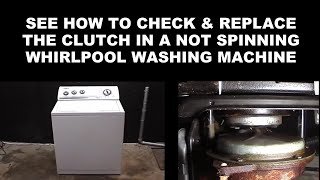
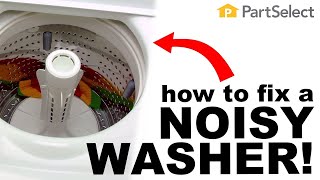
Related How-To Videos
Real DIY Repair Stories
Be the first to share your repair story!
Share Your Repair Story
Your experience helps other homeowners fix their appliances. Tell us how it went!
Can't Fix It Yourself? Find a Local Technician
It's perfectly okay to call a professional. Some repairs require specialized tools, deep teardowns, or dealing with complex systems that are better left to the pros.
Find the Right Part for Your Appliance
Don't guess — search your exact appliance model number at ProsourceParts.com to find the correct OEM compatible replacement part. They offer fast free shipping, guaranteed fit, and thousands of parts in stock.
Your Free Parts Videos
Whether your dishwasher won't drain, your dryer stopped heating, or your fridge isn't cold, we've created simple repair guides for the most common appliance problems homeowners face. Each guide explains what's going wrong, the most likely causes, and which replacement parts fix the issue. When you're ready to order, we link directly to ProsourceParts.com where you can search by model number and get the right part shipped fast.