
Washing Machine Safety Latch Fails – What Part Fixes This Problem?
Need the replacement part? Search your model number at for guaranteed fit and fast free shipping.
Understanding the Problem
The safety latch (door latch/lock assembly) on a front- or top-load washing machine ensures the door stays closed during fill, wash and spin cycles and prevents the machine from running when the door is open. When the latch fails the washer may refuse to start, stop mid-cycle, show door-error codes, or leave the door locked after the cycle ends. Latch problems are commonly electrical (faulty lock switch or wiring) or mechanical (broken striker, worn catch, or damaged latch gears/springs). Proper diagnosis requires checking for error codes, inspecting the latch and strike for visible damage, and testing the lock switch for continuity or correct voltage before replacing parts.
Common Symptoms
Washer won't start and shows a door/lock error; door stays locked after cycle; machine pauses mid-cycle; no audible lock engagement; intermittent starts or stops tied to door position.
Common Causes
- Failed door lock assembly (mechanical wear or broken internal switch)
- Faulty door striker/catch or damaged door hinge preventing proper engagement
- Wiring harness problem or control board not supplying power to the lock
Popular Parts That Fix This Problem
These are the most common replacement parts that fix this problem. When you're ready to order, click below to find the right part at ProsourceParts.com — just search by your appliance model number for a guaranteed fit.

Helpful Repair Tip
Check the washer's error code or listen for the lock engagement sound at cycle start. If you hear nothing, test the latch with a multimeter for continuity when the door is closed; no continuity often indicates a bad lock assembly.
Frequently Asked Questions
How do I know if the latch or the control board is bad?
Start by observing whether the lock attempts to engage (you should hear a click at cycle start). If there's no sound, test the lock assembly with a multimeter for continuity when the door is closed. If the latch shows no continuity or is visibly damaged, replace it. If the latch tests good but the washer does not send voltage to the lock or shows electrical faults, investigate the wiring and the control board; having a technician measure control voltage can confirm a board failure.
Can I force the door open if it stays locked after a cycle?
Most washers have a manual release accessible through the detergent drawer, a lower access panel, or behind a small service flap — consult your manual. If no manual release is available or you don't know the procedure, disconnect power and wait 5–10 minutes (some machines automatically release after power removal). Forcing the door can damage the latch or door seal — if you're unsure, consult a service tech.
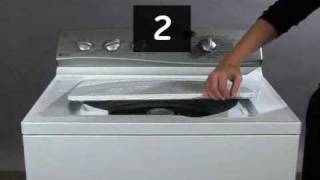
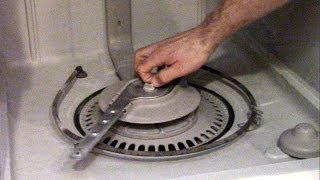
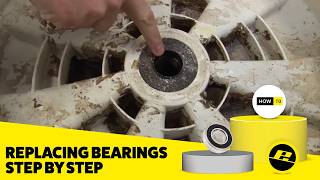
Related How-To Videos
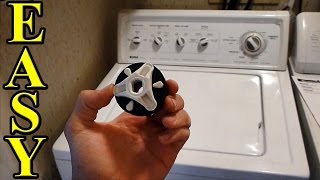
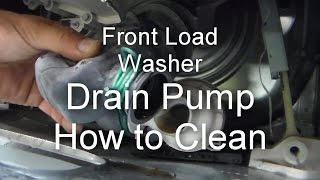
Real DIY Repair Stories
Be the first to share your repair story!
Share Your Repair Story
Your experience helps other homeowners fix their appliances. Tell us how it went!
Can't Fix It Yourself? Find a Local Technician
It's perfectly okay to call a professional. Some repairs require specialized tools, deep teardowns, or dealing with complex systems that are better left to the pros.

Find the Right Part for Your Appliance
Don't guess — search your exact appliance model number at ProsourceParts.com to find the correct OEM compatible replacement part. They offer fast free shipping, guaranteed fit, and thousands of parts in stock.
Your Free Parts Videos
Whether your dishwasher won't drain, your dryer stopped heating, or your fridge isn't cold, we've created simple repair guides for the most common appliance problems homeowners face. Each guide explains what's going wrong, the most likely causes, and which replacement parts fix the issue. When you're ready to order, we link directly to ProsourceParts.com where you can search by model number and get the right part shipped fast.