
Washing Machine Drum Making Noise – What Causes It and Which Part Fixes It
Need the replacement part? Search your model number at for guaranteed fit and fast free shipping.
Understanding the Problem
If your washing machine drum is making unusual noises (grinding, squealing, rumbling, or banging), it usually indicates a mechanical wear or an obstruction. Noises can start gradually or appear suddenly after a heavy load or a foreign object becomes trapped. Front-load and top-load machines have different support systems, but the most common noisy-drum culprits are bearings, drum mounts/spiders, and suspension components. Left unaddressed, a noisy drum can worsen — a worn bearing can seize and damage the tub, and a broken drum spider can crack the inner drum or cause severe imbalance. Identifying the exact noise and doing a few quick checks lets you determine whether this is a simple service (like removing a stuck coin) or a part replacement (bearing, spider, shock absorbers, etc.).
Common Symptoms
Grinding or rumbling when spinning, squealing on spin cycle, metal-on-metal scraping, loud thumping or banging during agitation/spin, visible wobble of the drum, leaks from the front boot.
Common Causes
- Worn or damaged drum bearings or bearing race
- Broken or corroded drum spider / drum support
- Foreign object (coin, pin, screw) trapped between drum and tub
- Worn drive belt, pulley, or motor coupling causing slippage/noise
- Faulty suspension/shock absorbers, dampers, or rollers causing excessive vibration and impact
Popular Parts That Fix This Problem
These are the most common replacement parts that fix this problem. When you're ready to order, click below to find the right part at ProsourceParts.com — just search by your appliance model number for a guaranteed fit.

Helpful Repair Tip
Spin the drum by hand (with the machine off and unplugged). If it feels rough, gritty, or you feel significant wobble/play, bearings or the drum mount are likely bad. Use a long screwdriver pressed to the drum and the outer cabinet to listen for grinding (amplifies bearing noise).
Frequently Asked Questions
How can I tell if the bearings are bad?
Unplug the washer and manually spin the drum. Roughness, a gritty feeling, or a growling/grinding noise that changes with drum speed strongly suggests bad bearings. Press the drum in and out (axial play) — excessive movement indicates bearing or drum-spider failure. For a louder test, place a screwdriver handle against the drum and the cabinet; the sound will amplify grinding bearings.
Is it safe to keep using the washer if the drum is noisy?
Occasional small noises from a trapped object can be okay temporarily once removed. However, persistent grinding, squealing, or heavy banging means a mechanical part is failing and continuing to use the washer can cause more damage (seized bearing or cracked drum) and lead to a much costlier repair. Stop using it and diagnose the noise if it continues.
Related How-To Videos
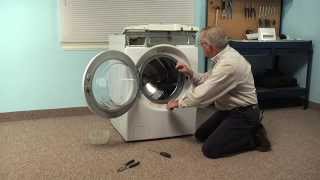
Real DIY Repair Stories
Be the first to share your repair story!
Share Your Repair Story
Your experience helps other homeowners fix their appliances. Tell us how it went!
Can't Fix It Yourself? Find a Local Technician
It's perfectly okay to call a professional. Some repairs require specialized tools, deep teardowns, or dealing with complex systems that are better left to the pros.

Find the Right Part for Your Appliance
Don't guess — search your exact appliance model number at ProsourceParts.com to find the correct OEM compatible replacement part. They offer fast free shipping, guaranteed fit, and thousands of parts in stock.
Your Free Parts Videos
Whether your dishwasher won't drain, your dryer stopped heating, or your fridge isn't cold, we've created simple repair guides for the most common appliance problems homeowners face. Each guide explains what's going wrong, the most likely causes, and which replacement parts fix the issue. When you're ready to order, we link directly to ProsourceParts.com where you can search by model number and get the right part shipped fast.