
Washing Machine Drum Making Noise – What Part Fixes This Problem?
Need the replacement part? Search your model number at for guaranteed fit and fast free shipping.
Understanding the Problem
A noisy washing machine drum (grinding, rumbling, scraping, or knocking) usually means a worn mechanical part or a trapped object. Front-load washers most often show this when the tub bearings or the spider assembly wear out; top-load machines can be noisy from worn drum rollers, motor couplings, or shock absorbers. Other frequent causes are a torn tub seal, a loose drum (excess play), or a foreign object stuck between the drum and outer tub. If left unaddressed, a noisy drum can quickly worsen: bearings that are failing will generate metal flakes, damage the seal, and eventually allow water into the bearing or motor area — leading to much more expensive repairs like replacing the entire tub or transmission. Identifying the specific sound and where it comes from helps you decide whether it’s a relatively inexpensive part you can replace yourself or a job best left to a technician.
Common Symptoms
Grinding, rumbling, or metal-on-metal sounds during spin; knocking or thumping on load; vibration or excessive drum play; water leaks near the front seal (front-load); noise that gets worse under load or during high-speed spin.
Common Causes
- Worn or failed tub bearings
- Damaged tub seal or gasket allowing water into bearings
- Corroded or broken spider (drum support)
- Foreign object trapped between drum and outer tub (coins, pins, small hardware)
- Worn shock absorbers/dampers (front-load) or drum rollers (top-load)
- Worn belt, motor coupling, or loose mounting hardware
Popular Parts That Fix This Problem
These are the most common replacement parts that fix this problem. When you're ready to order, click below to find the right part at ProsourceParts.com — just search by your appliance model number for a guaranteed fit.

Helpful Repair Tip
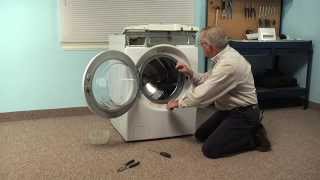
Spin the drum by hand with the door open and listen closely — a loud grinding or metal-on-metal sound plus visible side-to-side play indicates bad bearings/spider; rattling paired with a thump when the drum turns can mean a trapped object or a broken spider arm. Use a long screwdriver pressed to the bearing area as a stethoscope to localize the noise.
Frequently Asked Questions
Can I keep using the washer while the drum is making noise?
You can run it briefly for diagnostics (e.g., an empty spin to localize the noise), but prolonged use is not recommended. Failing bearings or a damaged spider can shred the seal and allow water into the bearing/motor area, causing far more costly damage. If the noise is clearly metal-on-metal or the drum has excessive play, stop using the washer and arrange repair.
How much does it cost to fix a noisy drum?
Costs vary widely by fault and model. Replacing bearings and the front seal (front-load) is commonly in the $150–$450 range for parts and labor; replacing a spider assembly can cost $200–$500+ depending on labor complexity. Simple fixes like removing a foreign object, replacing a belt, roller, or shock may be $50–$200. If you DIY, parts only will be significantly less, but front-tub bearing jobs are labor-intensive and may require special tools.
Related How-To Videos
Real DIY Repair Stories
Be the first to share your repair story!
Share Your Repair Story
Your experience helps other homeowners fix their appliances. Tell us how it went!
Can't Fix It Yourself? Find a Local Technician
It's perfectly okay to call a professional. Some repairs require specialized tools, deep teardowns, or dealing with complex systems that are better left to the pros.

Find the Right Part for Your Appliance
Don't guess — search your exact appliance model number at ProsourceParts.com to find the correct OEM compatible replacement part. They offer fast free shipping, guaranteed fit, and thousands of parts in stock.
Your Free Parts Videos
Whether your dishwasher won't drain, your dryer stopped heating, or your fridge isn't cold, we've created simple repair guides for the most common appliance problems homeowners face. Each guide explains what's going wrong, the most likely causes, and which replacement parts fix the issue. When you're ready to order, we link directly to ProsourceParts.com where you can search by model number and get the right part shipped fast.