
Washing Machine Drum Fault – What Causes a Noisy, Wobbly or Stuck Drum?
Need the replacement part? Search your model number at for guaranteed fit and fast free shipping.
Understanding the Problem
Brief explanation: "Drum fel" (drum fault) covers common problems where the washing machine drum is noisy, wobbly, rubbing, stuck, or makes grinding/scraping sounds. Most drum problems come from worn bearings, failed seals/felt, a broken drum spider (front-loaders), belt/idler issues (top-loaders or belt-drive machines), shock absorbers/rollers, or foreign objects trapped between tub and drum. Step-by-step diagnostic & repair guide: 1) Safety first: Unplug the machine and shut off water supply. If working on a machine with water inside, drain it into a bucket or use the drain/filter access panel. Wear gloves and eye protection. 2) Reproduce and listen: With power off, open the door/lid and manually spin the drum. Note play (axial/back-and-forth or radial/side-to-side), grinding, scraping, or rubbing. Light smooth rotation is normal; roughness or significant play indicates a mechanical fault. 3) Visual check for foreign objects: Inspect drum holes and use a flashlight to look between the drum and outer tub for coins, pins or debris. Remove any visible foreign objects via the door or by removing the back/front panel as needed. 4) Check for leaks and rust: Look at the front and back seals for water stains, rust, or torn felt seals—these accelerate bearing failure. A torn seal often means bearings are contaminated and should be replaced. 5) Inspect suspension components: - Front-loaders: Check shock absorbers (dampers) for oil leaks and broken mounts. Replace if loose/bent. - Top-loaders: Check suspension springs and dampers for wear; excessive drum movement indicates failed springs/dampers. 6) Check bearings and drum support (spider): Remove the back (or front for some models) panel and lift the drum to inspect the bearing area. Spin the drum by hand and listen close to the bearing/hub for grinding. Look for metal shavings or rust at the bearing/seal interface. 7) Check belt/drive system (belt-drive models): Inspect the belt for wear, glazing or breakage and check the idler pulley tension and motor coupling. Replace belt or idler if loose or glazed. 8) Test motor/drive: If drum is seized electrically (motor hums but drum does not move) check the motor, coupler, drive belt, and transmission. Use a multimeter to test motor continuity only if you are comfortable and the machine is unplugged before probing. 9) Decide on repair: Minor issues: remove foreign objects, replace drum felt/seal or belt. Major issues: replace bearings/hub assembly, drum spider, or shocks. Bearings often require specialized tools (bearing puller/press) or replacing the whole inner drum/hub assembly if bearings are pressed into the drum. 10) Replacement steps (common repairs): - Replace drum seal/felt: Remove front panel/door boot, pull drum forward to access and replace felt seals and gasket. Clean mating surfaces and lubricate lightly per manufacturer instructions. - Replace drum bearings (front-loaders): Drain machine and remove the outer tub to access the inner drum. Remove the drum from the bearing housing, press out old bearings and seals, press in new bearings and seals, reassemble. Many technicians recommend replacing bearings as a kit with seals and retaining rings. - Replace drum spider: Remove the inner drum from the outer tub, unbolt the spider from the rear of the inner drum, fit the new spider to the drum and reassemble. Inspect for corrosion—if spider failed from corrosion, bearings/seals likely contaminated as well. - Replace shocks/rollers/springs: Disconnect tub from frame, unbolt worn shocks or rollers and fit replacements; re-tension springs if top-loader. - Replace belt/idler: Release tension, remove old belt, route new belt per diagram, check alignment, re-tension. 11) Re-test: After reassembly, run a spin cycle empty (or with towels) and listen for noise, check for leaks and verify drum runs smoothly and without excessive vibration. Safety note: Bearing and spider replacement often requires heavy lifting and specialized presses/tools. If you are not comfortable disassembling the tub or pressing bearings, consider hiring a technician. Always unplug the appliance and shut off water before starting work.
Common Symptoms
Noisy grinding or rumbling during spin, drum wobble or excessive vibration, scraping/rubbing sounds, drum not spinning or seizing, leaks from front or rear of drum.
Common Causes
- Worn or seized drum bearings allowing play and grinding
- Torn front drum seal or felt allowing water and debris to enter bearings
- Broken or corroded drum spider/hub (front-loaders)
- Worn or broken drive belt, idler pulley or motor coupling
- Failed shock absorbers, suspension springs or drum rollers
- Foreign object trapped between drum and tub
Popular Parts That Fix This Problem
These are the most common replacement parts that fix this problem. When you're ready to order, click below to find the right part at ProsourceParts.com — just search by your appliance model number for a guaranteed fit.
Helpful Repair Tip
To confirm worn bearings: lift the drum by the rim (front-load) and rock it. More than 3–5 mm axial play or any rough grinding when turning indicates worn bearings or a failed spider.
Frequently Asked Questions
Can I keep using the washer if the drum is making noise?
Short answer: Not recommended. A noisy drum often means bearings, spider or seals are failing. Continuing to use the machine can cause metal shavings, increased wear, leaks and catastrophic failure of the drum assembly — which is more expensive to fix. Stop using it until you diagnose the cause.
How much does it cost to fix a drum bearing or spider?
Costs vary by machine and region. Parts for bearings & seals (kit) can be $30–$150; labor and the complexity of pressing bearings or replacing a spider can raise total repair cost to $200–$500 or more. For older or lower-cost machines, replacement may be more economical than extensive repairs.
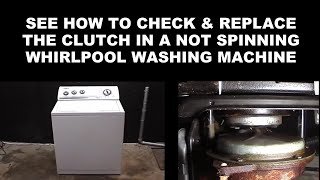
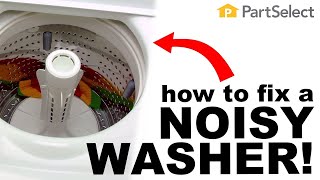
Related How-To Videos
Real DIY Repair Stories
Be the first to share your repair story!
Share Your Repair Story
Your experience helps other homeowners fix their appliances. Tell us how it went!
Can't Fix It Yourself? Find a Local Technician
It's perfectly okay to call a professional. Some repairs require specialized tools, deep teardowns, or dealing with complex systems that are better left to the pros.

Find the Right Part for Your Appliance
Don't guess — search your exact appliance model number at ProsourceParts.com to find the correct OEM compatible replacement part. They offer fast free shipping, guaranteed fit, and thousands of parts in stock.
Your Free Parts Videos
Whether your dishwasher won't drain, your dryer stopped heating, or your fridge isn't cold, we've created simple repair guides for the most common appliance problems homeowners face. Each guide explains what's going wrong, the most likely causes, and which replacement parts fix the issue. When you're ready to order, we link directly to ProsourceParts.com where you can search by model number and get the right part shipped fast.