
Washer Won't Shift Between Agitate and Spin — Is the Shift Actuator the Fix?
Need the replacement part? Search your model number at for guaranteed fit and fast free shipping.
Understanding the Problem
Top-loading washers commonly use a shift actuator (shift cam/actuator assembly) to move the transmission between the agitate and spin ranges. When the actuator wears out, jams, or loses its motor function, the washer may get stuck agitating or stuck in spin — or it may hum without moving the drum. The result is incomplete cycles, long run times, or no spin while the motor sounds like it’s running. Diagnosing a shift actuator issue requires observing the machine during a cycle and checking both electrical and mechanical components. Sometimes the control board supplies the correct voltage but the actuator’s internal gears or motor have failed. Other times the actuator is okay and the real trouble is a stripped gear in the transmission or a faulty control board output. With the right checks you can confirm whether you need to replace just the shift actuator or a more expensive transmission assembly.
Common Symptoms
Washer hums but won’t shift/no spin, stuck agitating or stuck in spin, loud grinding or clunking during shift, long cycle times, and service/test mode showing shift-related fault codes.
Common Causes
- Worn or broken actuator motor or internal gears (actuator fails to move)
- Stripped teeth or failure in the transmission/gearcase preventing engagement
- Control board or wiring not sending correct voltage or signals to the actuator
Popular Parts That Fix This Problem
These are the most common replacement parts that fix this problem. When you're ready to order, click below to find the right part at ProsourceParts.com — just search by your appliance model number for a guaranteed fit.

Helpful Repair Tip
Run the washer in diagnostic/service mode and command a shift between agitate and spin while watching the actuator area. If the board sends voltage but the actuator doesn’t move or only clicks, the actuator (or its internal gears) is likely bad.
Frequently Asked Questions
Can I replace the shift actuator myself?
Yes, a competent DIYer can replace a washer shift actuator. It usually requires unplugging the washer, removing the cabinet or access panels, unhooking a few wires, and unbolting the actuator from the transmission/gearcase. Take photos of wiring, use proper tools, and support the tub if needed. If you’re unsure or the transmission appears damaged, consider a professional repair.
How much does it cost to replace a shift actuator?
Part cost varies by make and model — expect anywhere from about $40–$200 for the actuator or repair kit. If the transmission must be replaced, labor and parts can raise the total to several hundred dollars. Labor rates vary by region and shop.
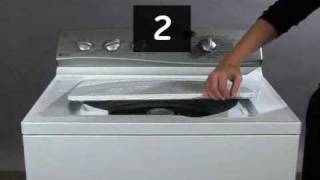
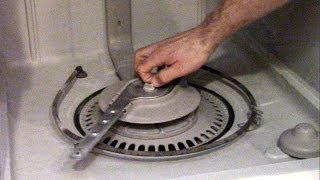
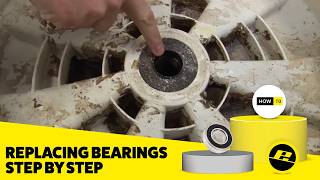
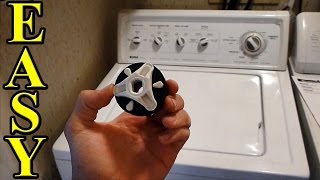
Related How-To Videos

Real DIY Repair Stories
Be the first to share your repair story!
Share Your Repair Story
Your experience helps other homeowners fix their appliances. Tell us how it went!
Can't Fix It Yourself? Find a Local Technician
It's perfectly okay to call a professional. Some repairs require specialized tools, deep teardowns, or dealing with complex systems that are better left to the pros.

Find the Right Part for Your Appliance
Don't guess — search your exact appliance model number at ProsourceParts.com to find the correct OEM compatible replacement part. They offer fast free shipping, guaranteed fit, and thousands of parts in stock.
Your Free Parts Videos
Whether your dishwasher won't drain, your dryer stopped heating, or your fridge isn't cold, we've created simple repair guides for the most common appliance problems homeowners face. Each guide explains what's going wrong, the most likely causes, and which replacement parts fix the issue. When you're ready to order, we link directly to ProsourceParts.com where you can search by model number and get the right part shipped fast.