
Washer Tub Spring – What It Does and How to Replace It
Need the replacement part? Search your model number at for guaranteed fit and fast free shipping.
Understanding the Problem
What a tub spring is and why it matters: Tub suspension springs support the washer's inner tub or drum and keep it centered so the tub spins smoothly and doesn't bang into the cabinet. When a tub spring breaks, stretches, rusts through, or the hook mounts fail, the tub will sag, rock, make loud banging/knocking noises during spin, and the washer can shift across the floor. Step-by-step diagnostic and repair steps: 1. Confirm the symptom: Run a spin or drain/spin cycle (short load) and watch/listen. Loud banging, heavy vibration, a visible tub sag or the washer walking are classic signs of a failed tub spring or related suspension part. 2. Safety first: Unplug the washer and shut off the water supply. If you must move the machine, have someone help — washers are heavy. 3. Access the springs: Depending on model (top‑load vs front‑load): - Top‑load (cabinet style): Remove the back or front access panel or lift/remove the cabinet to access the springs around the outer tub. Support the tub before disconnecting springs. - Front‑load: Many front loaders use springs at the rear to hold the tub to the frame; remove the back access panel to reach them. On some LG models springs are used with shock absorbers. 4. Inspect visually: Look for broken coils, stretched or deformed springs, rusted ends, or torn mounting hooks. Also inspect the spring mounting brackets on the frame and tub for bends or broken rivets. 5. Check related parts: If one spring is bad, check all suspension components — shock absorbers/struts, counterweights, mounting brackets, and the tub bearing/shaft — because a failed shock or bearing can overload springs and cause repeat failure. 6. Support the tub: Before removing any spring, support the tub with a block of wood or a jack (softly) so it doesn’t drop when the spring is removed. This prevents injury and damage. 7. Remove the old spring: Unhook the spring from both ends. You may need pliers to pry a stubborn spring off a post or hook. Note orientation so you install the new spring the same way. 8. Install the new spring: Hook one end, stretch into place, and seat the other end. Many springs are pre-shaped and hook into tabs or posts—make sure the spring seats fully in the groove or over the hook. Replace all springs if they show uneven wear (recommended to maintain balance). 9. Re-check mounts and shocks: Tighten any loose mounting bolts, replace damaged brackets, and replace worn shock absorbers at the same time if applicable. 10. Reassemble and test: Reinstall access panels/cabinet, reconnect power and water, run an empty spin cycle and watch for vibration and noise. Do a few test loads at different sizes to confirm the repair. Safety note: Always disconnect power before working on the washer. Support the tub before removing springs — a falling tub can cause serious injury or damage. If you’re not comfortable supporting heavy components or the machine has complex front‑load parts (e.g., counterweights, sealed bearings), consider a professional repair.
Common Symptoms
Loud banging or knocking during spin, visible tub sag or tilt, excessive vibration or the washer 'walking', uneven or incomplete spin cycles, and rattling metal sounds from inside the cabinet.
Common Causes
- Spring metal fatigue or breakage from repeated flexing over time
- Corrosion/rust on springs or mounting points weakening the coil or hooks
- Overloading the washer or a failed shock/bearing that overloads the springs
Popular Parts That Fix This Problem
These are the most common replacement parts that fix this problem. When you're ready to order, click below to find the right part at ProsourceParts.com — just search by your appliance model number for a guaranteed fit.

Helpful Repair Tip
Lift the tub by hand from the top (with the washer unplugged). If it drops back quickly or tilts to one side, the springs or shocks are likely worn. Also look for rusted or jagged spring ends where they hook onto the mount.
Frequently Asked Questions
Can I replace only the broken tub spring or should I replace all of them?
You can replace a single broken spring and the washer will run, but springs wear together. Replacing all suspension springs (or at least matching pairs) is recommended to restore balance and prevent another spring from failing shortly after. Additionally, inspect and if needed replace shock absorbers/struts at the same time since they share load and a bad shock can ruin new springs.
How long does a tub spring replacement take and how much will parts cost?
For a competent DIYer with basic tools: 30–90 minutes for a single spring replacement on a top‑load, 1–2 hours on many front‑load machines (access can be trickier). Parts cost: tub springs commonly range from $10–$40 each depending on brand and model. Expect additional cost if you replace shocks, mounts, or if a tech diagnosis is required.
Related How-To Videos
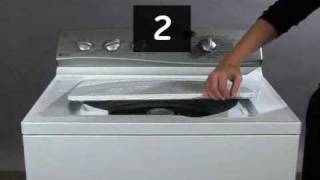
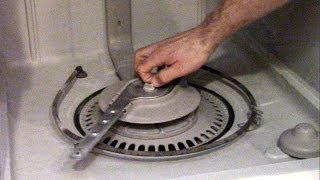
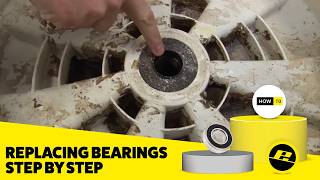

Real DIY Repair Stories
Be the first to share your repair story!
Share Your Repair Story
Your experience helps other homeowners fix their appliances. Tell us how it went!
Can't Fix It Yourself? Find a Local Technician
It's perfectly okay to call a professional. Some repairs require specialized tools, deep teardowns, or dealing with complex systems that are better left to the pros.

Find the Right Part for Your Appliance
Don't guess — search your exact appliance model number at ProsourceParts.com to find the correct OEM compatible replacement part. They offer fast free shipping, guaranteed fit, and thousands of parts in stock.
Your Free Parts Videos
Whether your dishwasher won't drain, your dryer stopped heating, or your fridge isn't cold, we've created simple repair guides for the most common appliance problems homeowners face. Each guide explains what's going wrong, the most likely causes, and which replacement parts fix the issue. When you're ready to order, we link directly to ProsourceParts.com where you can search by model number and get the right part shipped fast.