
Washer Safety Latch Too Loose – What Part Fixes This Problem?
Need the replacement part? Search your model number at for guaranteed fit and fast free shipping.
Understanding the Problem
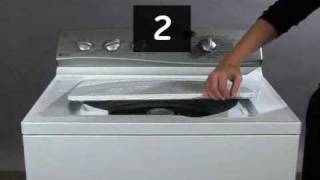
A safety latch that feels too loose on a washing machine commonly prevents the washer from locking the lid or door properly. Modern washers require a secure latch engagement for the control board to allow a wash or spin cycle; if the latch is worn, broken, or misaligned the machine may refuse to start, pause mid-cycle, or display an error code. A loose latch can also allow the lid to lift during operation, causing a safety cutoff. There are two general latch assemblies depending on model: the lid switch/switch actuator on top-load washers and the door lock assembly on front-load washers. The issue can be a worn plastic latch, a broken strike, a failed interlock switch, or a loose mounting/hinge that prevents proper engagement. Correct diagnosis is important — sometimes only the strike or hinge needs tightening, other times the entire latch/lock assembly must be replaced.
Common Symptoms
Washer won't start or pauses mid-cycle, door/lid won't stay closed, audible clicking or rattling at the latch, error codes related to door lock (varies by brand).
Common Causes
- Worn or broken latch/strike (plastic parts degraded from use or damage)
- Failed lid/door interlock switch or lock actuator (electrical failure)
- Loose mounting/hinge or misaligned door preventing full engagement
Popular Parts That Fix This Problem
These are the most common replacement parts that fix this problem. When you're ready to order, click below to find the right part at ProsourceParts.com — just search by your appliance model number for a guaranteed fit.

Helpful Repair Tip
With the washer unplugged, manually close the lid/door and try to feel or see whether the latch fully engages the strike; if it barely catches or moves freely, the latch or strike is likely worn and needs replacement.
Frequently Asked Questions
How can I temporarily get my washer to run if the latch is loose?
As a temporary measure unplug the washer for a minute then plug it back in and try gently pressing and holding the lid/door closed while starting a cycle — some machines will accept manual pressure and operate. This is not a safe long-term fix; replace the worn latch or switch as soon as possible to avoid safety risks.
Do I need a technician or can I replace the latch myself?
If you are comfortable with basic tools and safety (unplugging the appliance, removing a few screws), replacing a latch/strike is often a straightforward DIY job that takes 15–45 minutes. However, if the problem involves electrical testing of the interlock switch, complex door alignment, or if the model requires disassembly you’re not comfortable with, call a qualified technician. Always verify the correct replacement part for your exact model before ordering.
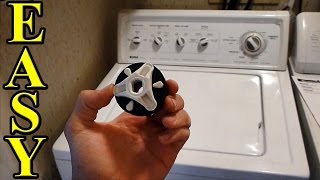
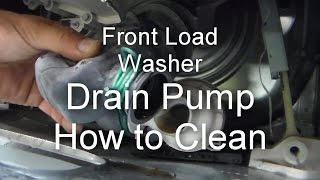
Related How-To Videos

Real DIY Repair Stories
Be the first to share your repair story!
Share Your Repair Story
Your experience helps other homeowners fix their appliances. Tell us how it went!
Can't Fix It Yourself? Find a Local Technician
It's perfectly okay to call a professional. Some repairs require specialized tools, deep teardowns, or dealing with complex systems that are better left to the pros.

Find the Right Part for Your Appliance
Don't guess — search your exact appliance model number at ProsourceParts.com to find the correct OEM compatible replacement part. They offer fast free shipping, guaranteed fit, and thousands of parts in stock.
Your Free Parts Videos
Whether your dishwasher won't drain, your dryer stopped heating, or your fridge isn't cold, we've created simple repair guides for the most common appliance problems homeowners face. Each guide explains what's going wrong, the most likely causes, and which replacement parts fix the issue. When you're ready to order, we link directly to ProsourceParts.com where you can search by model number and get the right part shipped fast.